Dick Smith Powerhouse/Nothing – Bankstown, NSW
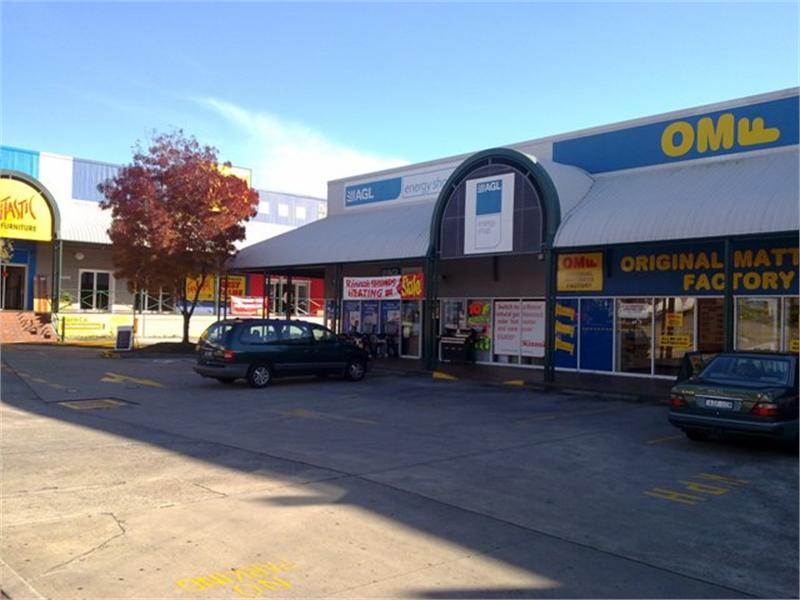
Welcome to my nightmare.
When I was a kid, growing up in a house that was developing rapidly from a tiny shag-carpeted fibre nightmare into a two-storey McMansion with cheese, the worst thing that could happen to you on a Saturday morning was being told “Get in the car, we’re going to HomeBase.” Suddenly, the Saturday that had held so much promise, that you’d worked all week at school to enjoy, was taken away from you, and replaced by a seemingly endless death march through IKEA.
Prospect’s HomeBase homemaker centre had been around since before 1982, when the IKEA opened. After that, the mindless rush to be a part of the Swedish furniture revolution put HomeBase on the map, and countless kids had their Saturday mornings ruined by the long drive out to the middle of nowhere just because the study would look better with a walnut bookshelf named ASCOT. The HomeBase centre’s other stores (yes, there were a few) surrounded IKEA, occasionally catching the eye of a customer as they left the furniture giant, but as a rule, IKEA was what you were there for. Clark Rubber wasn’t exactly a hot destination on weekends.
For the first few years, it wasn’t so bad. I was short enough to be allowed access to the ball room. Anyone who was a kid in the era of ball rooms will instantly know the thrills, the mayhem and the excitement of a ball room in a shopping centre. It was everywhere you wanted to be, because no matter how boring the prospect of a day traipsing around a shop looking for stuff you didn’t care about seemed, if there were facilities for kids you could instantly dump all your disappointment prep work from your internal cache and get stupid in the ball room.
Tragedy struck the Saturday I was suddenly too tall. The clown on the height restriction sign, my close friend for so many years, granting me private access to a wonderland, was instantly my enemy. His eyes, once alive with mischief at letting me into that private club, had turned cold and distant. “We don’t want you here,” his perma-smile seemed to say.
At this point I was faced with two options: brave the boredom of IKEA, or go to the entertainment room for older kids. It was a tough choice, but one easily made. I still wasn’t quite old enough to appreciate the challenge of a DIY entertainment unit, and as amusing as fake PROP brand computer screens were, they got old after the 1000000th bedroom mockup, so I was off to the big kids room. IKEA’s idea of entertainment for big kids involved a bunch of too-small stools stuffed into a tiny room. In the corner of the room was a mini-TV showing Superman: the Movie on a loop. Every single time I went to this room (and it was often – we had a lot of books to shelve), I was treated to either the Marlon Brando bit at the start, or the farm bit where Superman’s dad dies. Once, I even got to see the bit where Lex Luthor crushes the guy under the train – shockingly violent for a kid my height. Not once did I get to see Superman in action. This did nothing but affirm the film’s reputation as ‘a long one’ for me, because even though I knew how long a trip to IKEA could take, it was never as long as the buildup to Superman’s first appearance in the film. The movie and I have settled our differences since, but to this day I can’t watch it on a tiny TV.
The reason for this long anecdote is this: when it was deemed that our house contained enough IKEA furniture, the drive to Prospect suddenly seemed a bit too long, and further homemaker sorties were redirected to the much more local Christies Centre, on Canterbury Road at Bankstown. Long known as Dunlop Corner to locals (it was formerly the site of a Dunlop factory), the Christies homemaker centre had moved in sometime in the 80s or early 90s, and provided a bunch of lesser IKEA wannabes like Fantastic Furniture, a pottery barn, plenty of bedding shops, and my new enemy: Freedom Furniture. The Christies Centre became a new level of weekend hell, because unlike IKEA there was no kids play centre. No consideration for bored children was given anywhere on the grounds of the Christies Centre, and my attention was left to fall upon the dying, decrepit businesses that lined Canterbury Road.
Matters improved when the pottery barn was replaced by Hungry Jacks, but that can only hold one’s attention for so long. In 1996, Dick Smith Powerhouse made it to the Christies Centre. It was a breath of fresh air – suddenly there was a place that sold video games, computers, CDs, the first DVDs…even Superman: the Movie was available to buy here. Dick Smith had only recently moved away from being an electronic hobby shop to establishing a retail chain for consumer electronics, and the Powerhouse was a bold example. For many, it was the first place they were able to use the internet. The trial computers were all set up with dialup accounts, allowing customers to get a taste of the ‘information superhighway’ for the first time before making a purchase of a brand new Pentium. Suddenly, it didn’t matter how long the furniture pilgrimage was going to take, Dick Smith was the place to hang out and relieve that boredom. It was even better when I eventually had money.
These days, the Christies Centre name is long gone. It’s now Home Focus. Hungry Jacks is still enslaving teenagers, Freedom Furniture is still committing hate crimes against entertainment, bedding shops are still putting people to sleep for all the wrong reasons. There’s a new homemaker centre, Home Central, at the back of the place with a completely separate lineup of shops including a Toys R Us, which I’d’ve killed for on those initial endless Saturday mornings.

Dick Smith is gone. Only recently too, by the look of it. I went there yesterday hoping to buy a fuse, only to find the shop completely gone. When did this happen? I’d only gone there a few…months ago? Was it that long? The Dick Smith Powerhouse branding was apparently discontinued in 2009, immediately numbering the Bankstown store’s days. At the same time, Tandy electronic stores, acquired by Dick Smith, were phased out also. Remember Tandy? Everywhere when you weren’t looking for them, nowhere when you were. In January 2012, Dick Smith owner Woolworths closed 100 or so Dick Smith stores, apparently including the Bankstown Powerhouse, and announced that they were selling the chain. What a bunch of dicks.
So now, bored kids stuck at the Home Focus on an endless Saturday morning have only Hungry Jacks (or the distant Toys R Us) to entertain them. No wonder childhood obesity is such a problem. Of course, these days 4-year-olds have iPhones, so my heart isn’t exactly bleeding for them. It’s just a safe bet they didn’t get their iPhones or Nintendo DS from Dick Smith Powerhouse.
Good Fortune Chinese Takeaway/Nothing – Penshurst, NSW
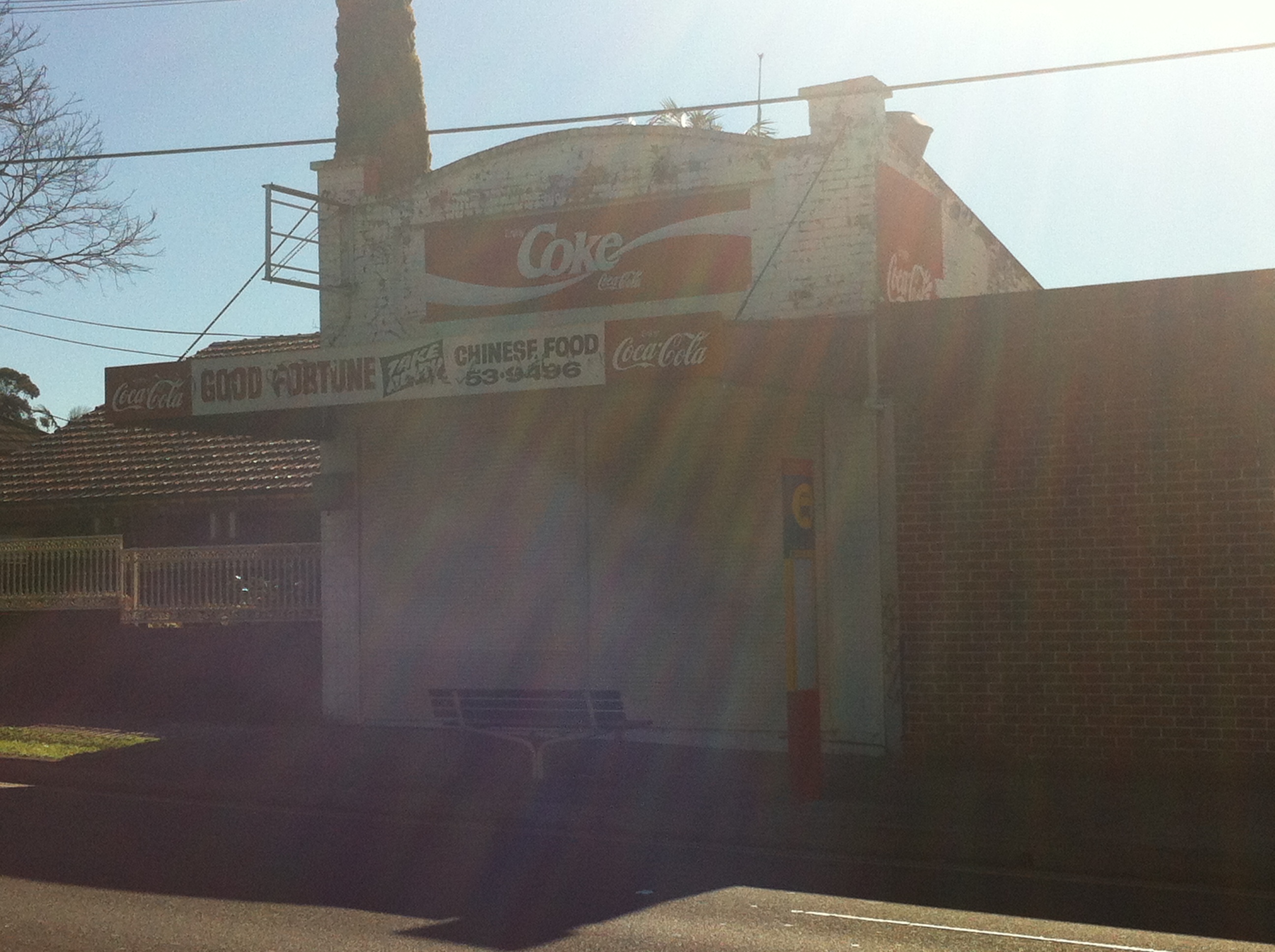
Proudly presented by Coca-Cola is the Good Fortune takeaway. Over the years, I have never, ever seen this place open. Coke’s absolutely saturated it with signage, and there’s faded evidence that there was once even more. I’m guessing this wasn’t a place you headed to when you felt like a Pepsi.
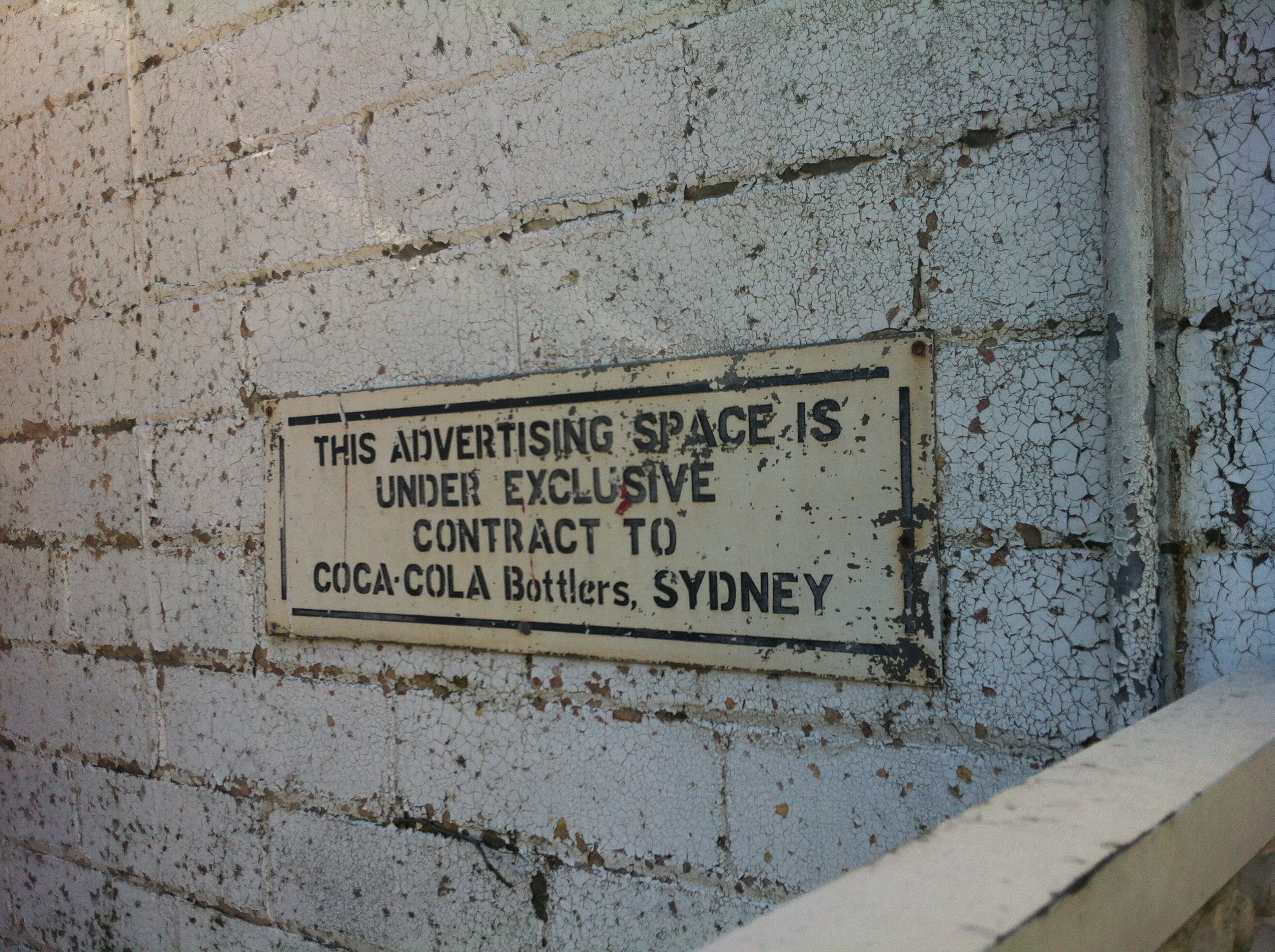
If I were conspiracy minded, I might argue that Coke has paid (or threatened) the current owners to keep the signs up for the free advertising. Does this work as advertising? Is anyone looking at the dead husk of a Chinese restaurant and getting thirsty? The small, weathered sign on the side informs us that the advertising space (not a shop, an advertising space) is under exclusive contract to Coca-Cola. Can I ask why? It’s not like this is the Centerpoint Tower, or a place with amazing exposure. It is across the road from a school, however…the conspiracy deepens.
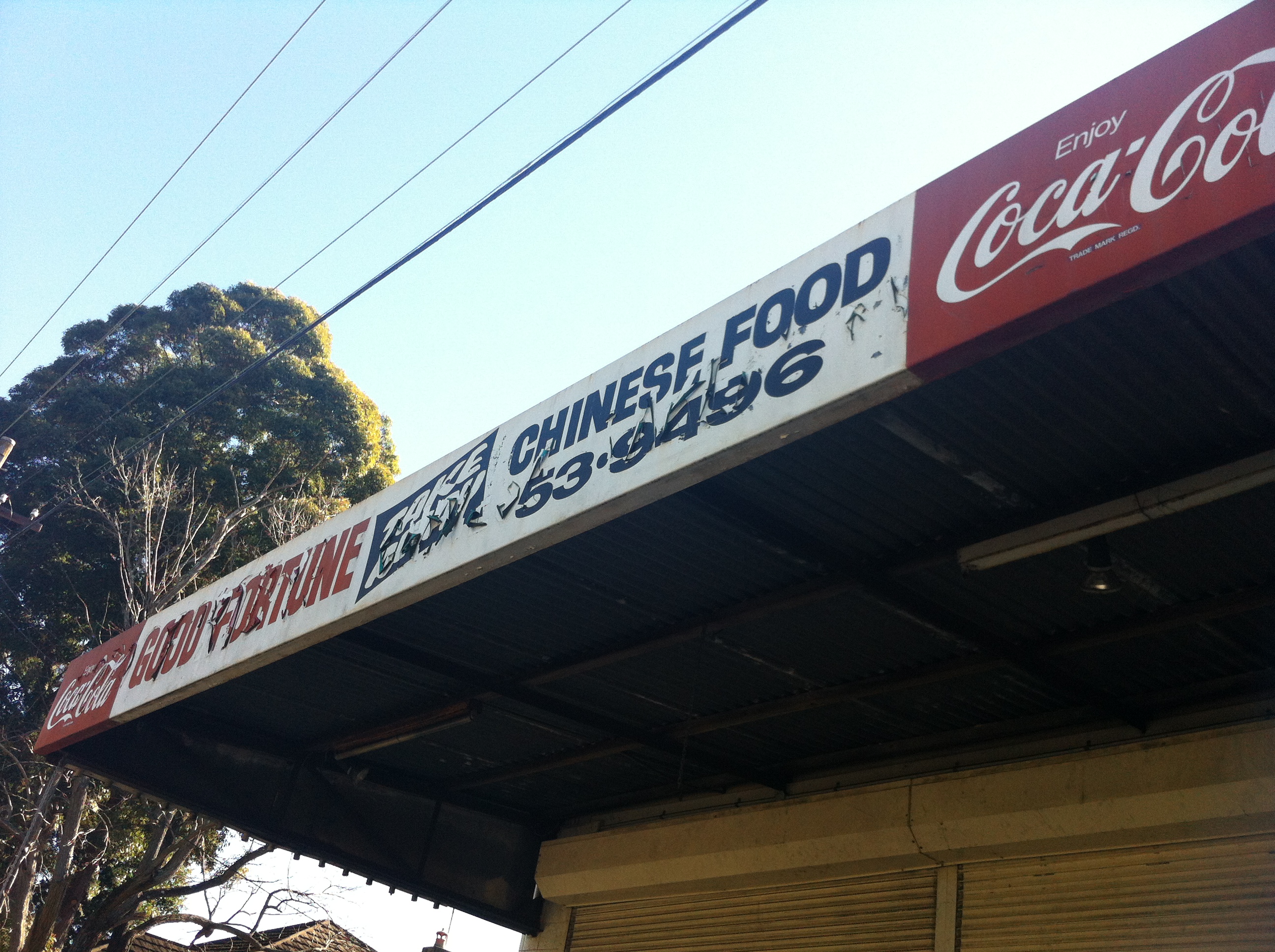
As old as the place is already (six digit phone number), the peeling paint on the awning suggests there’s an even older entity waiting to expose itself to the world. The shop appears to be part of the residential complex behind it, so it’s likely that someone bought the house and closed the shop. Good fortune for the homeowner, bad luck for the Good Fortune.
Oatley Village Video/Car park – Oatley, NSW

Here’s another victim of the video shop exodus. This one didn’t even have a franchise attached while it was alive, making it even harder for it to stay afloat once the VHS ocean started to get rough. I bought an ex-rental copy of Surf Ninjas on VHS from here years ago, so I know I did my part. I can sleep at night. Can you?
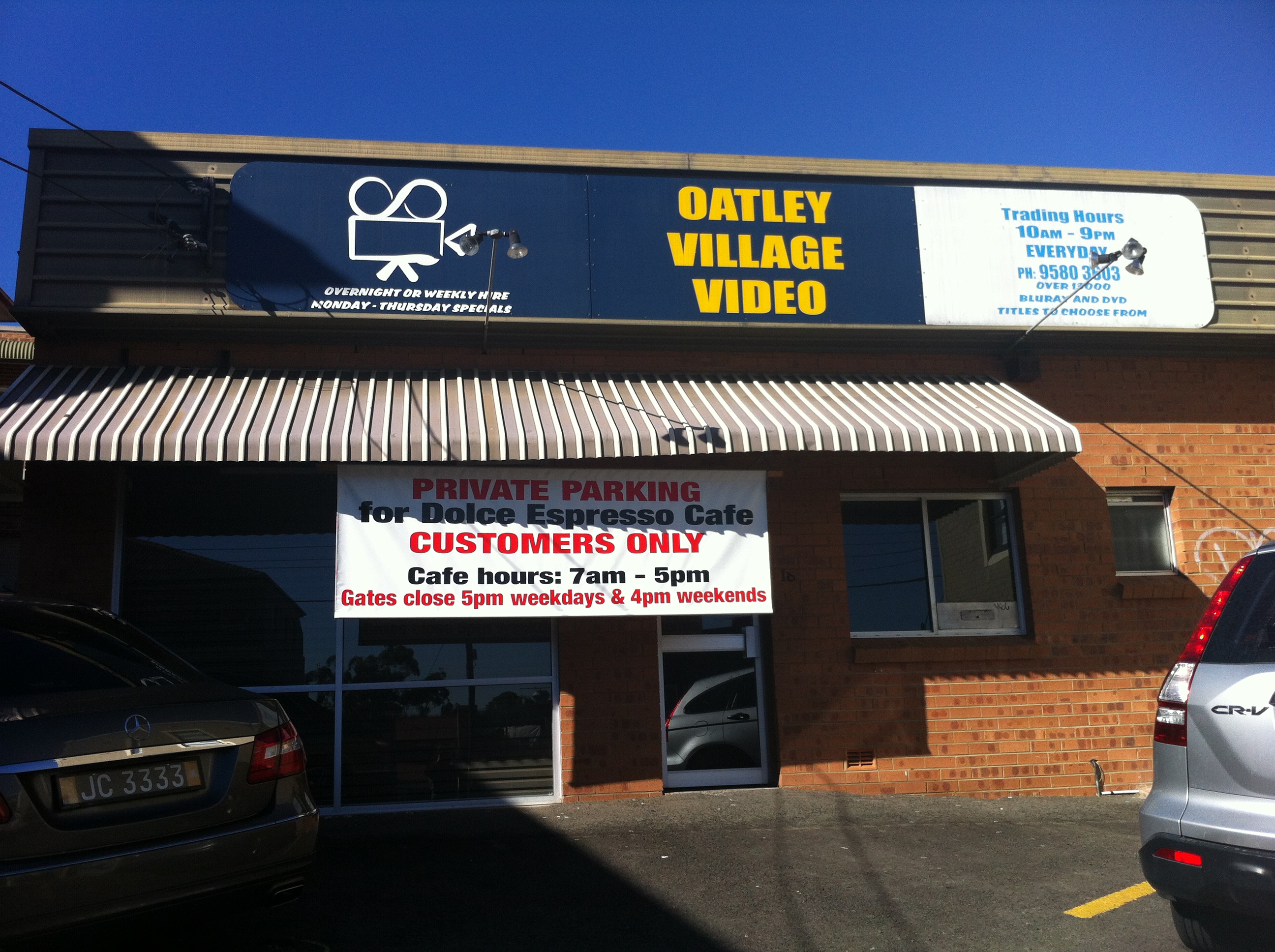
It’s since been turned into a car park of all things. You couldn’t even use the building for anything else? The cafe next door is that popular that it needs the three or four extra car spaces afforded it by this tiny space? Oatley is full of wide, long, empty streets to park in, especially since Coles won’t be setting up there. Oh, wait.
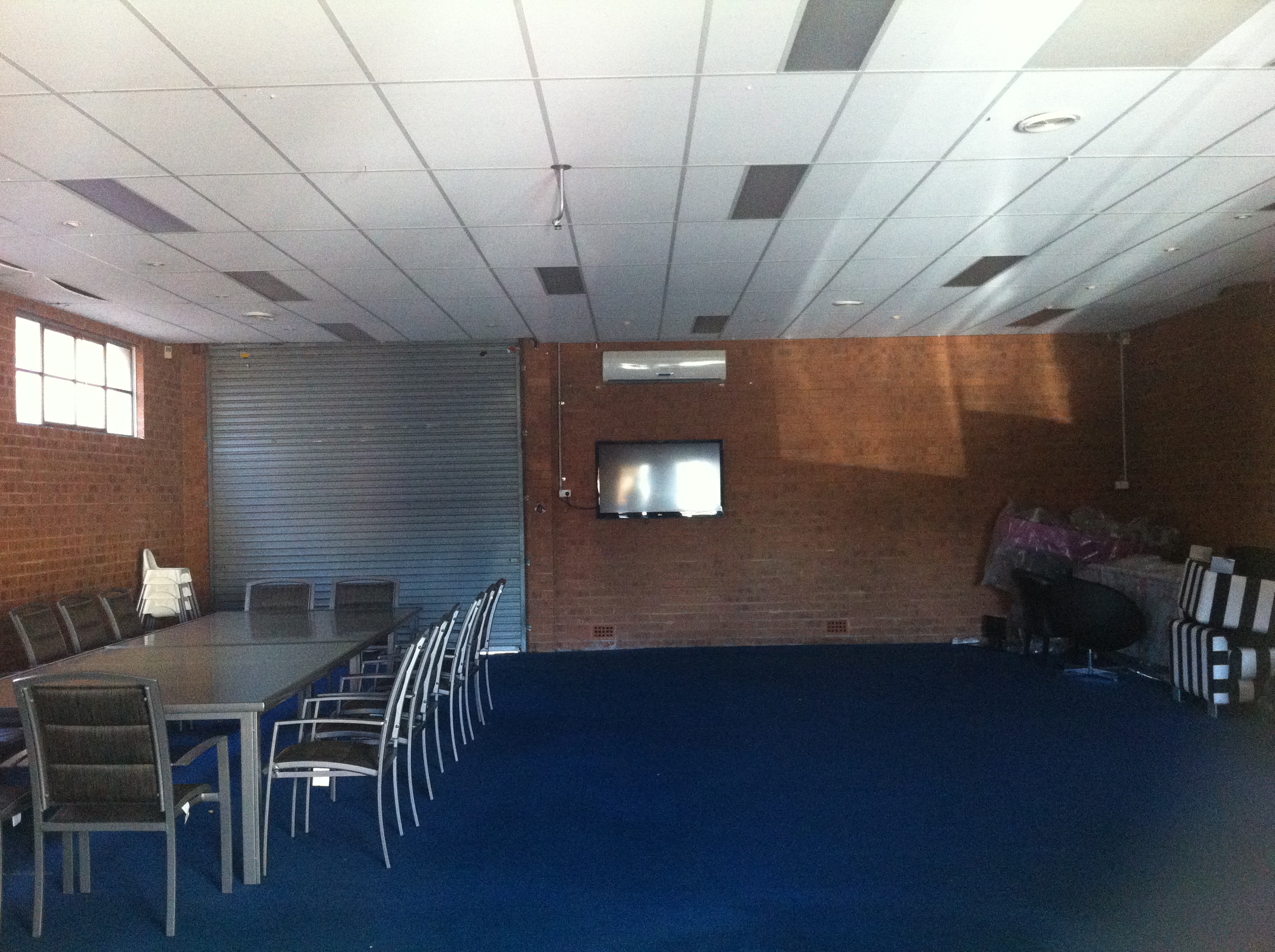
Inside it looks like a supervillain meeting room, where the Oatley Star Chamber plots world domination…or at least the downfall of Coles, their mortal enemy. It’s so barebones that you can see the rollerdoor that would have been used for new shipments of pure VHS goodness back in that time.
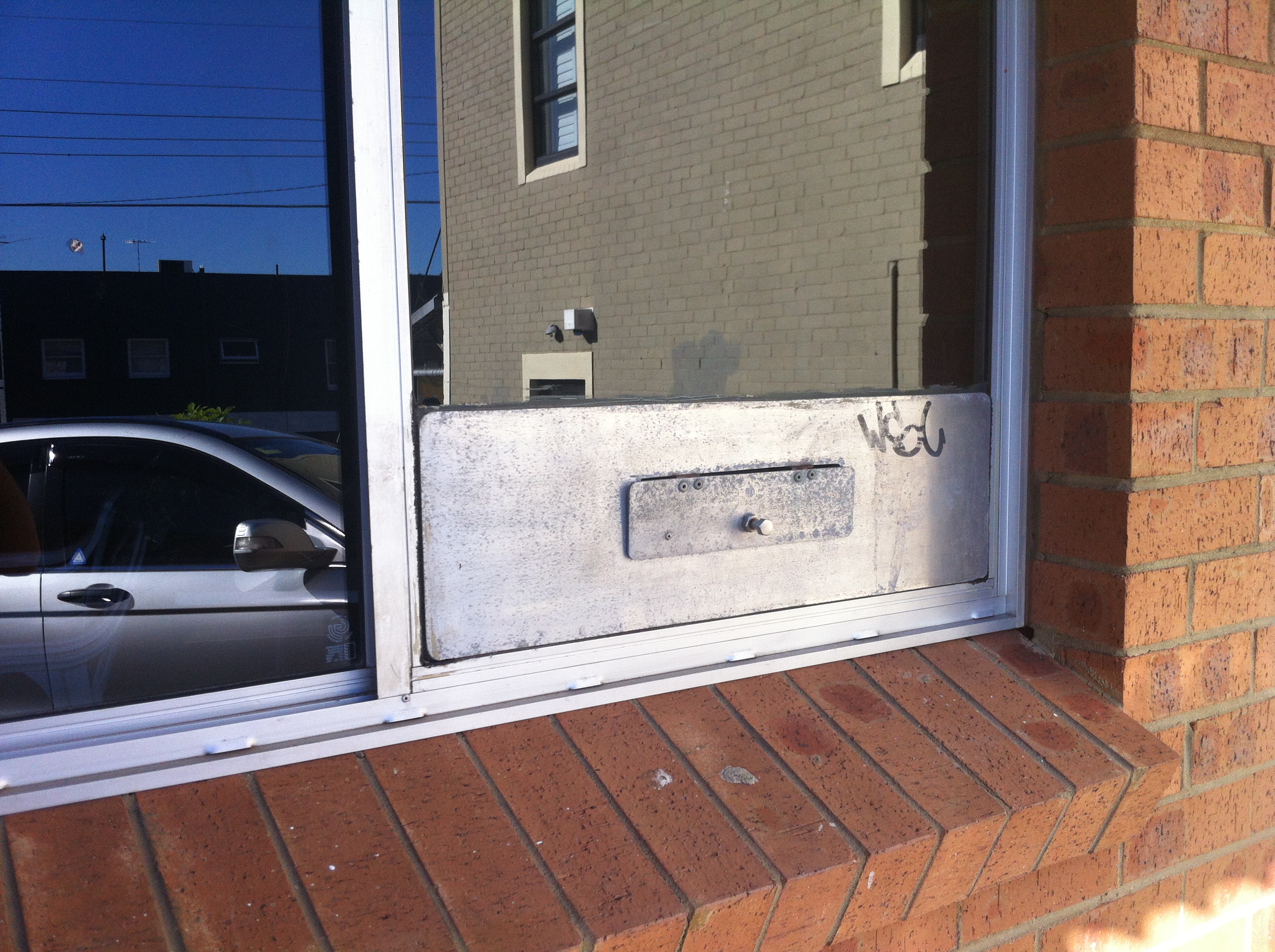
Here’s the after hours return chute the tardy denizens of Oatley would have used to return videos after the shop had closed for the day. Or, in some cases, never used at all:

That was three years ago. If you do that for long enough, of course you’re going to go out of business. This must have occurred to the kindly owner at some point, because a year before closing down he changed his tactics:
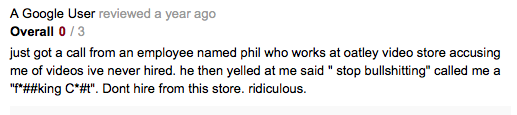
Take note, Darrell Lea.
The Tradesman’s Arms Hotel/East Village Hotel – Darlinghurst, NSW

The owners of the East Village Hotel in Darlinghurst have tried their best to reinvent the place as a hip, relaxed pub in the middle of a trendy area, but it’s hard to miss the hotel’s old name – the Tradesman’s Arms – at the top. These days it’s hard to imagine tradesmen’s arms anywhere near this place, unless it’s to subject the pub’s period interiors to another refit.

The Tradesman’s Arms, circa 1930
Speaking of period, the Tradesman’s Arms dates back to 1918, and during its lifetime was known as the ‘Bloodhouse’, due to the extreme violence often on show within. It’s creepy to think that there was a pub in the Darlinghurst-Kings Cross area that stood out for its violence; nowadays it’d probably be considered pretty tame. In a time when tradesmen were wise to arm themselves with razor blades, this place was a favourite watering hole of Sydney underworld figure Tilly Devine, which should absolutely not come as a recommendation. No wonder they changed its name.
Sharpie’s Golf House/Harmex Golf/Derelict – Sydney, NSW

I see you back there, Edwards & Co. Ltd. You’ll get your turn…
Yes, the kitschy neon sign is what Sharpie’s Golf House is best known for, but there’s a bit more to it than that. For starters, the sign has been gone for years, having been taken down by the City of Sydney in 2007 for ‘refurbishment’. How long does it take to replace a few tubes?
The origins of Sharpie’s Golf House lie in the shop next door. It’s currently the empty shell of the former Gold Sun Supermarket, but in 1918, when Russian immigrant Harry Landis bought it, it was the Railway Loan Office, named for its proximity to Central Station. Landis moved into the current Sharpie’s address in 1923, and proceeded to divide the pawn shop into two sections: musical instruments and sporting goods, with an emphasis on golf.

After the Second World War, the sporting side was renamed The Golf House, and in 1964 the animated neon sign featuring the world’s best golfer (he always gets a hole-in-one) was erected after six years of construction. Until its removal, it was Australia’s second oldest neon sign (Melbourne features the oldest. You gonna take that lying down, Sydney?). The music business moved to Park Street in 1977, and the Golf House became Sydney’s premier golf store. This prestige attracted pro golfer Lindsay Sharp, who bought the shop in 1985 and renamed it after himself, forcing a change to the neon sign. That’s why the red ‘Sharpie’s’ part looks so out of place.

Sharp himself sold the ever-declining business in 1999, and in 2004 it became Korean-owned Harmex Golf, which limped on for a few years before closing its doors for good in 2007. Looking around the area it’s not a surprise – what was once a thriving business zone has become a wasteland with a bad reputation, filled with backpacker hostels and husks of businesses long gone. I’m not complaining; it’s great for what I’m doing. But it’s a sad look for the city, especially so close to the train line. Besides, it’s not like there are any golf courses in the immediate vicinity, so it’s not hard to imagine the golfing community getting fed up with making the trek out here every time they wanted a decent 5-iron. At least they made for good weapons when they stepped back out into the street.

The building today is a mess. Sharpie’s has been dulled. It’s dirty, covered in posters and falling apart. Even by Elizabeth Street standards it’s an eyesore. The part I’m having a hard time getting over is the indoor driving range. It had an indoor driving range! For how long? How did it work? I’ve played those virtual golf simulators indoors before, but surely this was set up long before those were around. It’s not even that long a building, how did Sharpie have room to get his drive on?

Do all those hole-in-ones count if he’s been playing the 19th hole all these years? Image courtesy SMH, 25 Aug 2003
It’s alleged that the sign sits inside, heritage listed, waiting for a spit and polish that’ll likely never come. There have been a few proposals submitted to the Sydney City Council to demolish the current site and reincorporate the sign into whatever is built in its place, but all have been declined. It’s not like they’re going to build another Golf House, so why not just leave it in the past? Why not take the opportunity to breathe some life back into this part of town, and create tomorrow’s heritage listed signs? For all the talk of preservation, Sharpie was quick to flush a 20-year-old sign down the toilet to remake it in his image. It’ll likely go the way of the Regent Theatre on George Street, and we’ll be able to live in Sharpie Tower in 20 years time. There’s something to look forward to.

 Past/Lives of the Near Future