Rozelle Theatre/Arch Stone & Residential – Rozelle, NSW

Whoa, deja vu! This incarnation of the Rozelle Theatre, constructed in 1927, was actually the second theatre to be built at this location. You can take one look at it and know it was a job by architect Charles Bohringer, who also brought us the Homebush Theatre. That Bohringer…it’s like he was tortured by this single vision in his head and could never quite exorcise it, no matter how many theatres he designed.
While we’re on the topic of torture, Zero Dark Thirty’s got nothing on Miss Louise Mack, who sadistically inflicted a series of lectures on children at the theatre during the late 1920s:

SMH, 26 November 1929
You won’t be surprised to learn that it was Hoyts who played the part of the executioner in the tragic tale of this theatre, which ceased projection in 1960 – and speaking of executions:

Wouldn’t have wanted to be that last fellow… Adelaide Advertiser, 12 June 1950
After an embarrassing stint as a function centre, the cinema today stands as an Arch Stone tile outlet topped with an apartment block. It’d be a damn spooky place to live, too…it’s said that on a dark and stormy night, you can still hear the yawns of Miss Mack’s students…
St. James Theatre/Beverly Hills Cinemas – Beverly Hills, NSW
 Let’s cut to the chase: the Beverly Hills Cinemas are looking a little…porky these days. It’s hard not to notice the expanding waistline anymore, even for the sake of politeness. What I’m saying is, if the Beverly Hills Cinemas were a person, they’d need to take the Kayla Itsines challenge a few times to squeeze back into those trackpants.
But it wasn’t always this way. Back before the cinema was built, the suburb was known as Dumbleton, after a nearby farm. The opening of the Dumbleton train station in 1931 had opened up the suburb to the rest of Sydney in a way the previous public transport option – a coach service from Hurstville station – had not.
Dumbleton’s first shop had only opened in 1908 (on the site of the present day Beverly Hills Hotel), so there wasn’t exactly a major reason to go there. Dumbleton residents hoped to change this in 1910, when a post office was opened within the existing store. It was like the proto-Westfield.
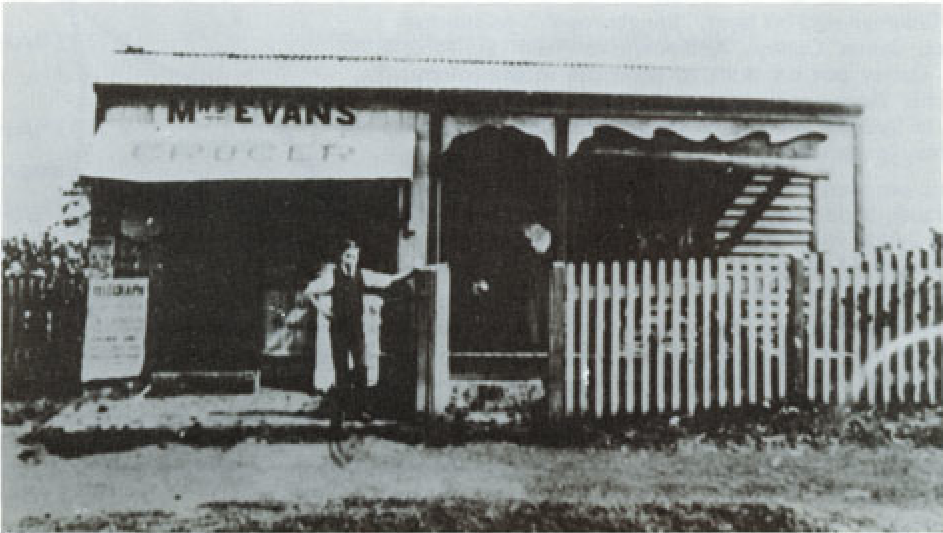
This is that shop, circa 1916. Image courtesy Regina Coeli Parish, Beverly Hills.
The Second World War brought military personnel to Dumbleton, further increasing its population and forcing it to come up with more shops to keep people entertained, but it’s kinda hard to make anything entertaining when your suburb’s name is Dumbleton.
In late 1938, plans began for a picture theatre along King Georges Road with a projected completion date of 1940. I suppose the Dumbletonians were hoping to emulate the success of the Savoy theatre in nearby Hurstville, but they still had the nagging problem of that name.
An American cultural influence had been building in the outskirts of Sydney with the advent of cinema, so with an impending theatre and the belief that the USA would soon be joining the war effort, a move was made in 1940 to change the suburb’s name to the much more glamourous sounding Beverly Hills – Hollywood on the East Hills line. The Californian equivalent was home to famous movie stars, and with the completion of the St. James Theatre later that year, so would Dumbleton.
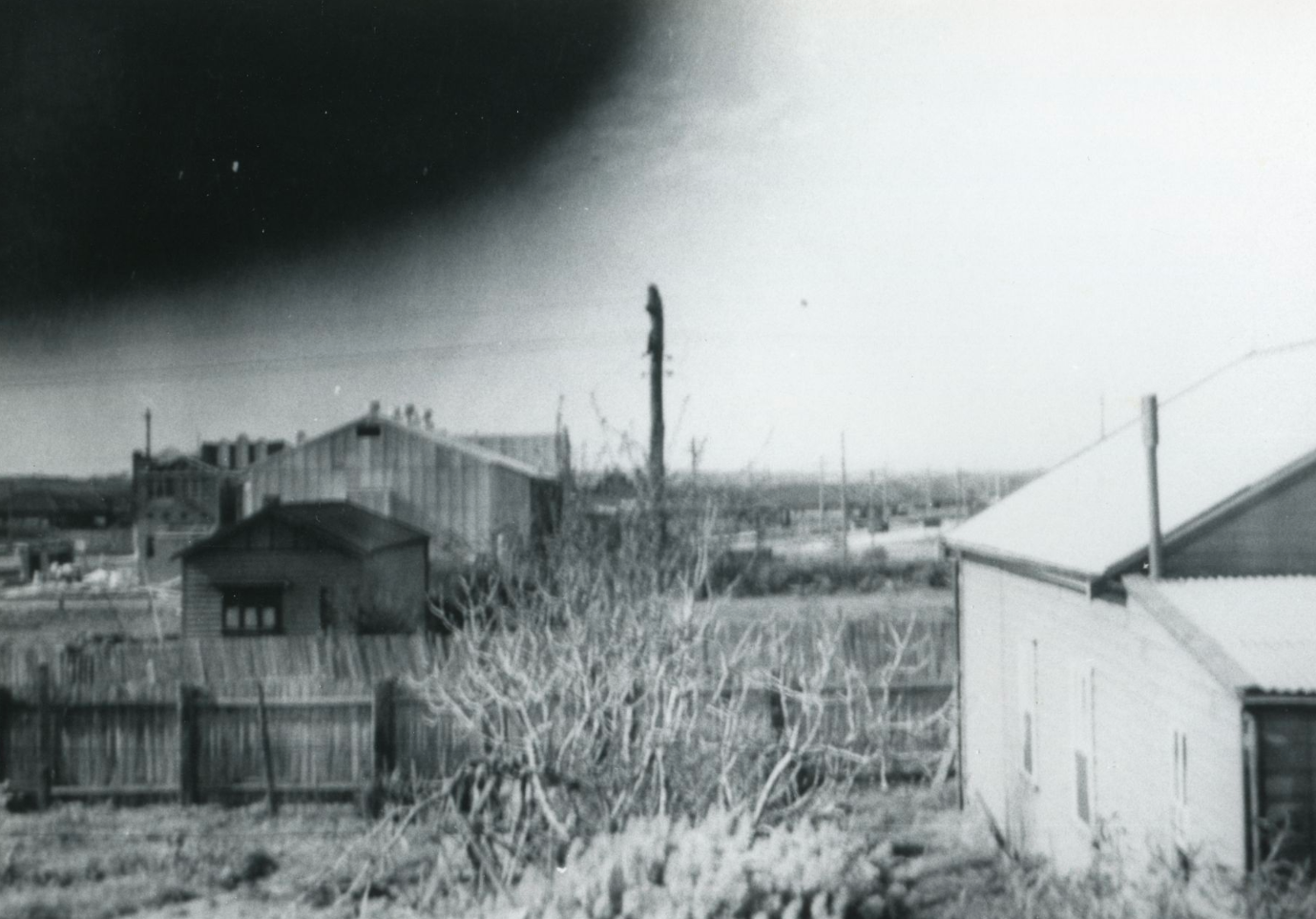
Dumbleton bites the dust as the St. James (centre left) gives rise to Beverly Hills, 1940. Image courtesy Georges River Libraries
A strip of palm trees down the centre of King Georges Road was added to complement the Hollywood theme in a move no one in the 1940s could have predicted would become so tacky by the present day.
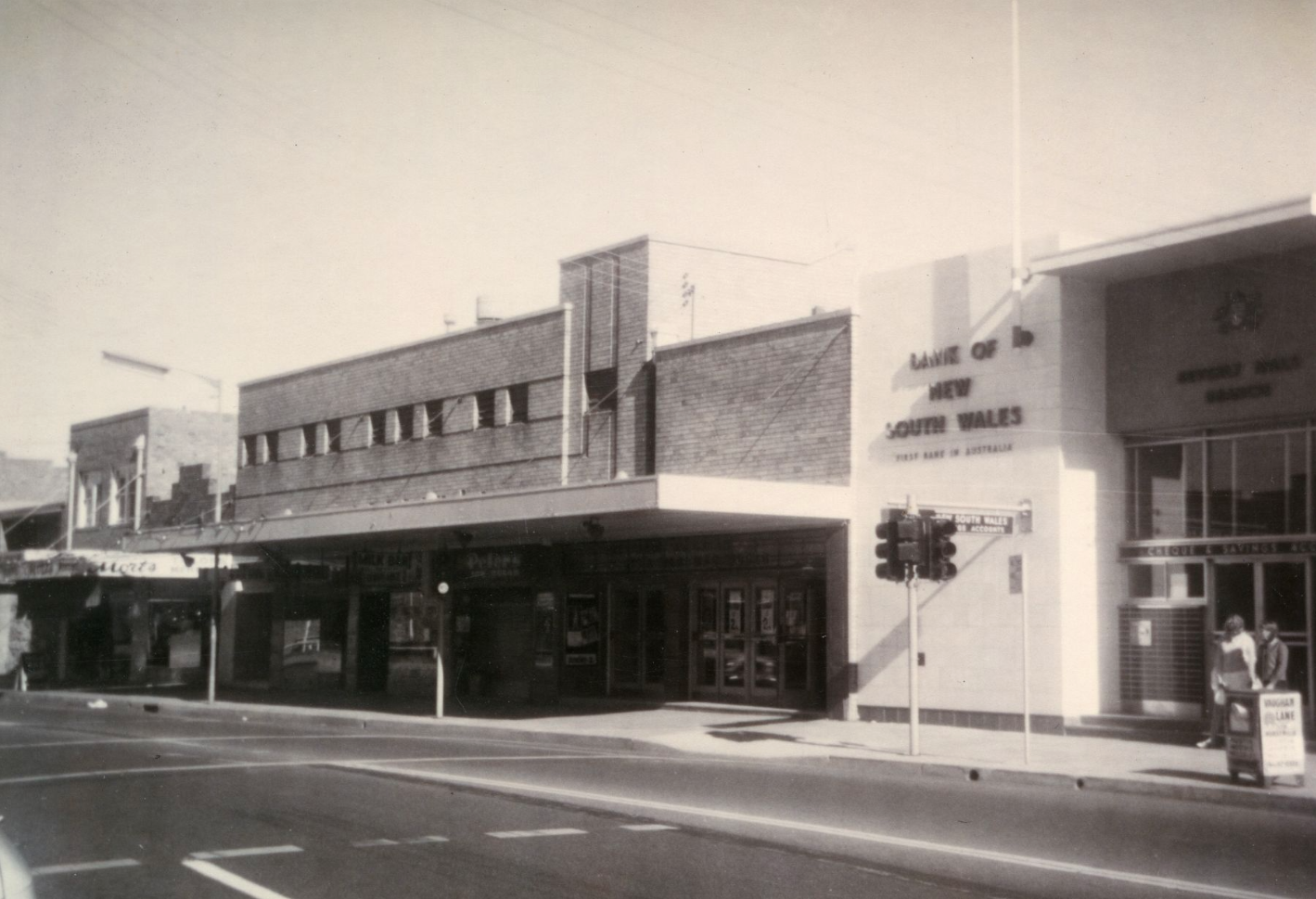
St. James Theatre looking very much like a bank, 1966. Image courtesy Georges River Libraries
The St. James Theatre entertained the residents of the growing suburb (even those older residents who had loudly complained about the name change) for decades until the 1970s, when the voracious Hoyts incorporated it into its suburban chain.
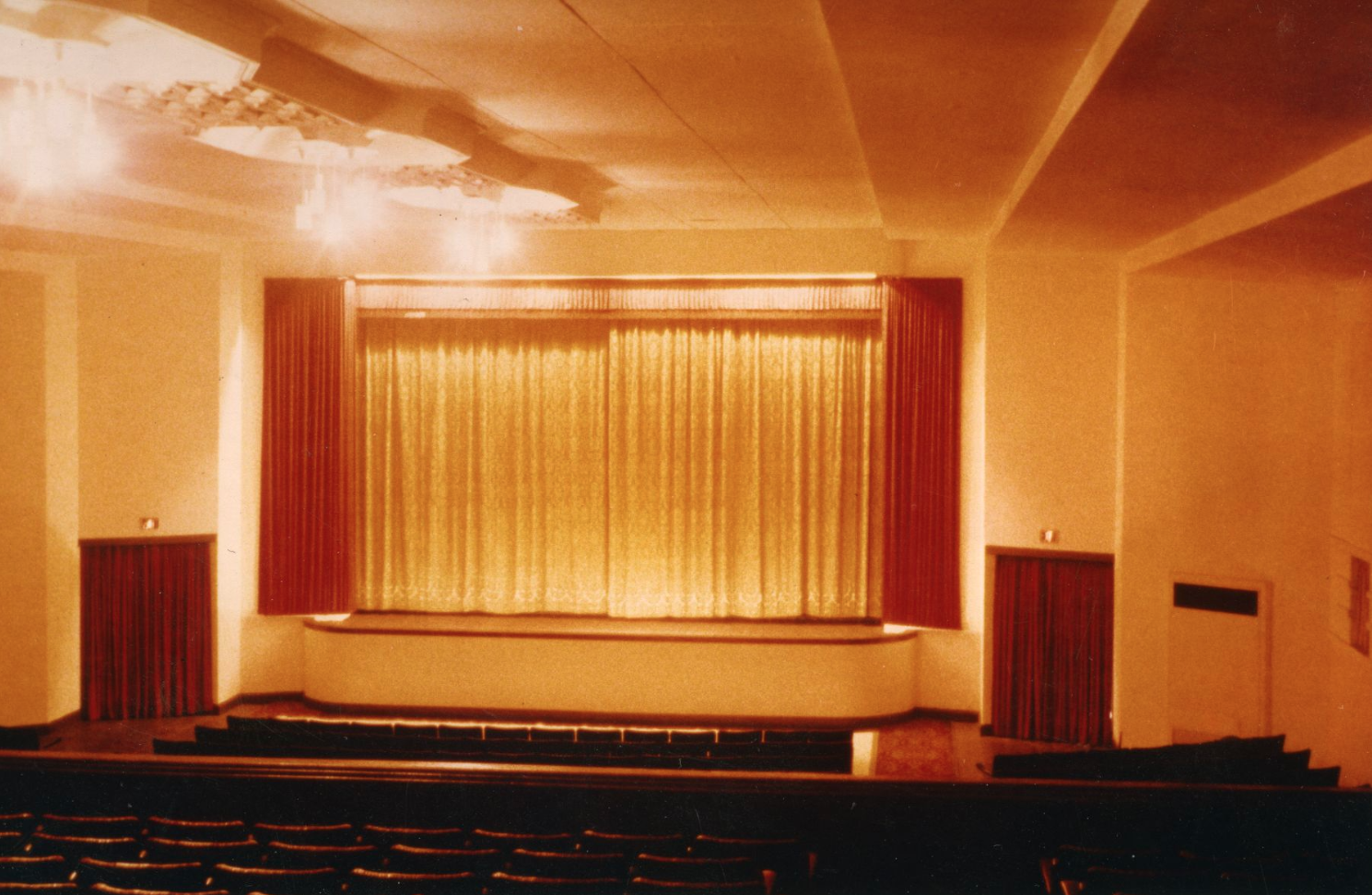
Inside the St. James Theatre, 1981. Image courtesy Georges River Libraries
By 1978, it had fallen into disrepair like many of its suburban cousins that had survived the mass demolition of such cinemas during the progressive 60s, and was showing adult films. Saint James indeed.
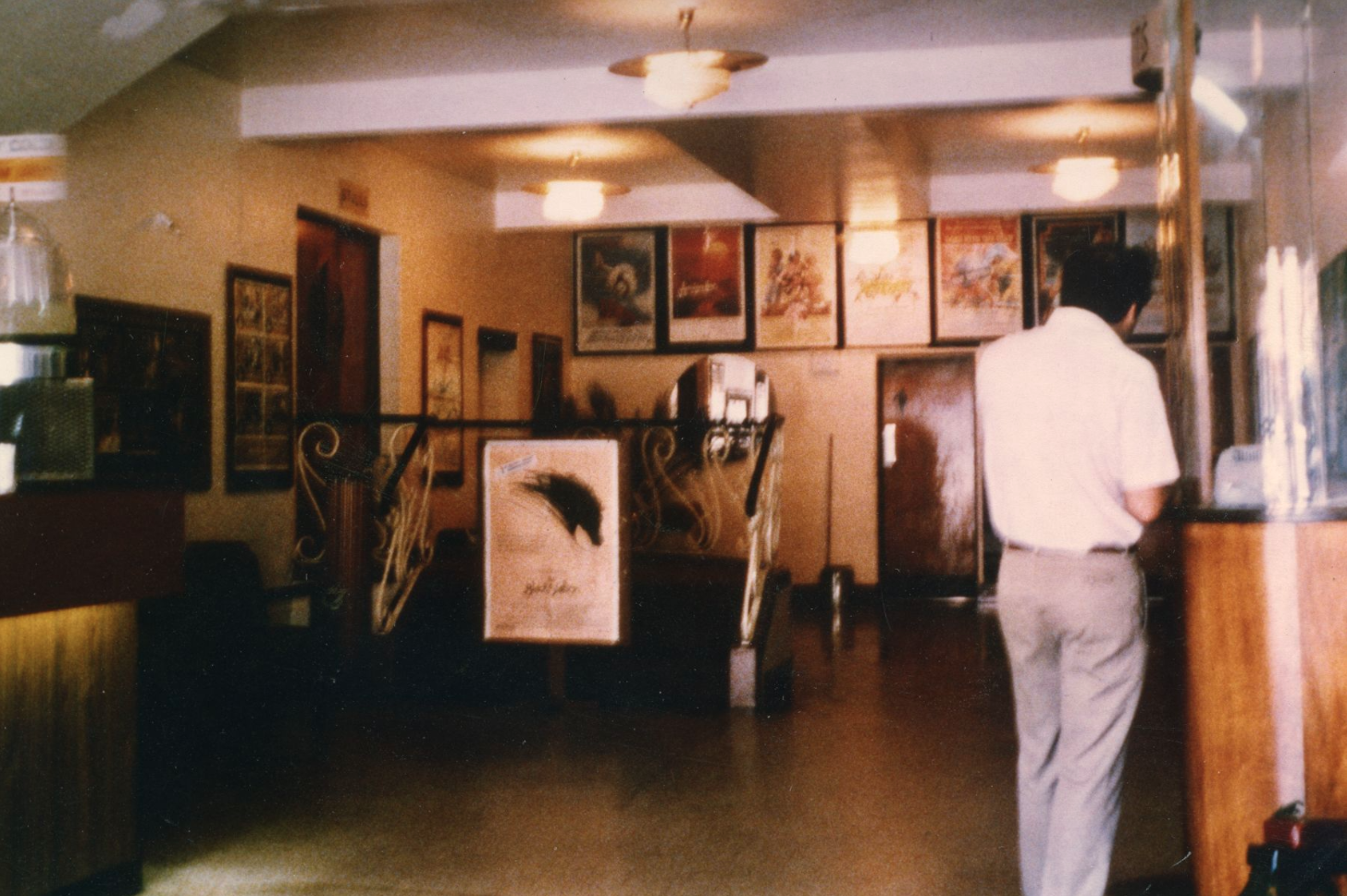
St. James Theatre lobby, 1980. Image courtesy Georges River Libraries
It was that year when developer Jim Tsagias bought the St. James, with plans to transform it into a function centre. Something changed his mind (perhaps the palm trees) and he decided to restore it as a cinema.
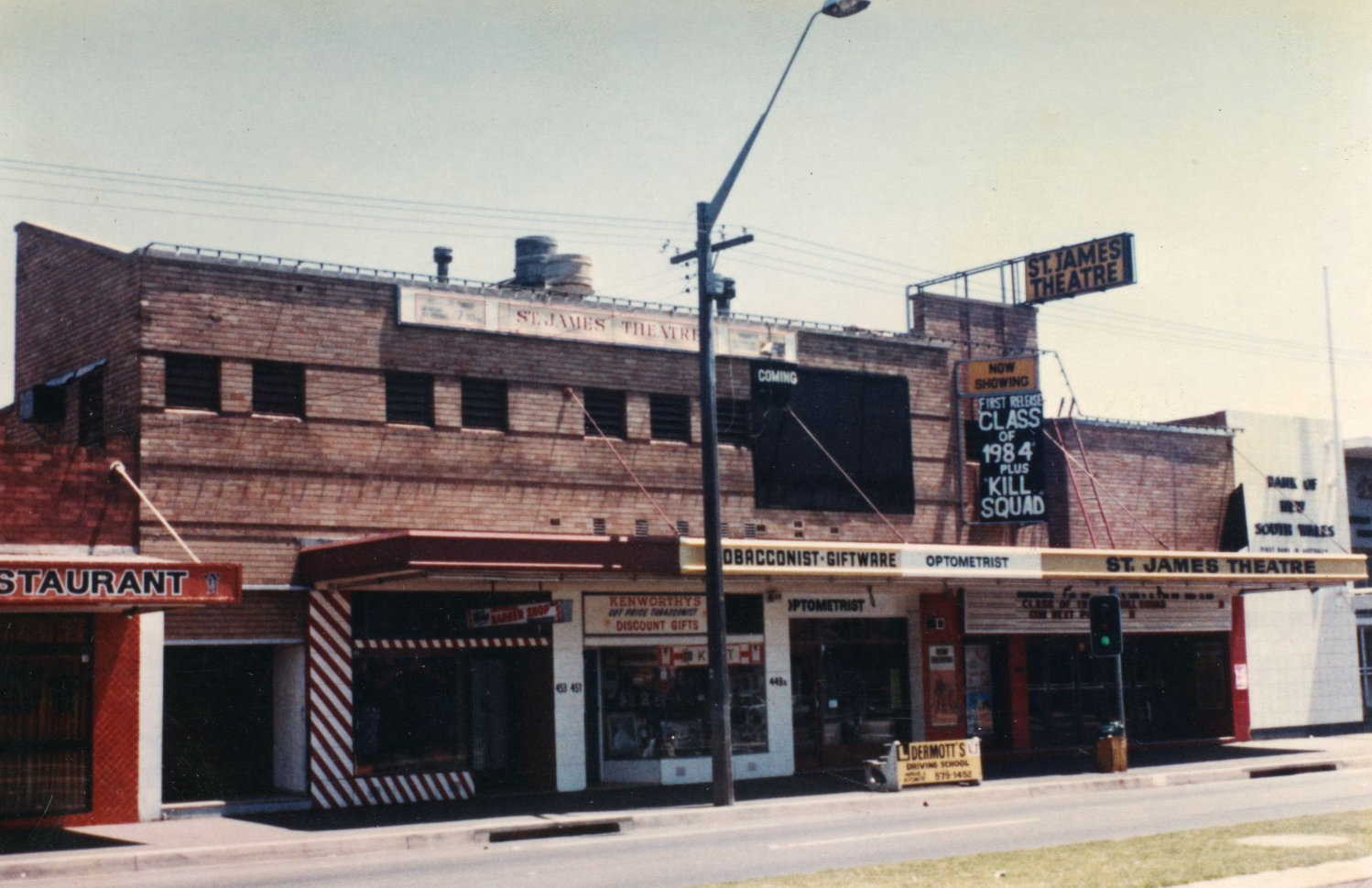
The final reel of St. James Theatre, 1982. Image courtesy Georges River Libraries
In 1982 it was reopened as the one-screen Beverly Hills Cinema, and in 1983 it was converted to a twin.
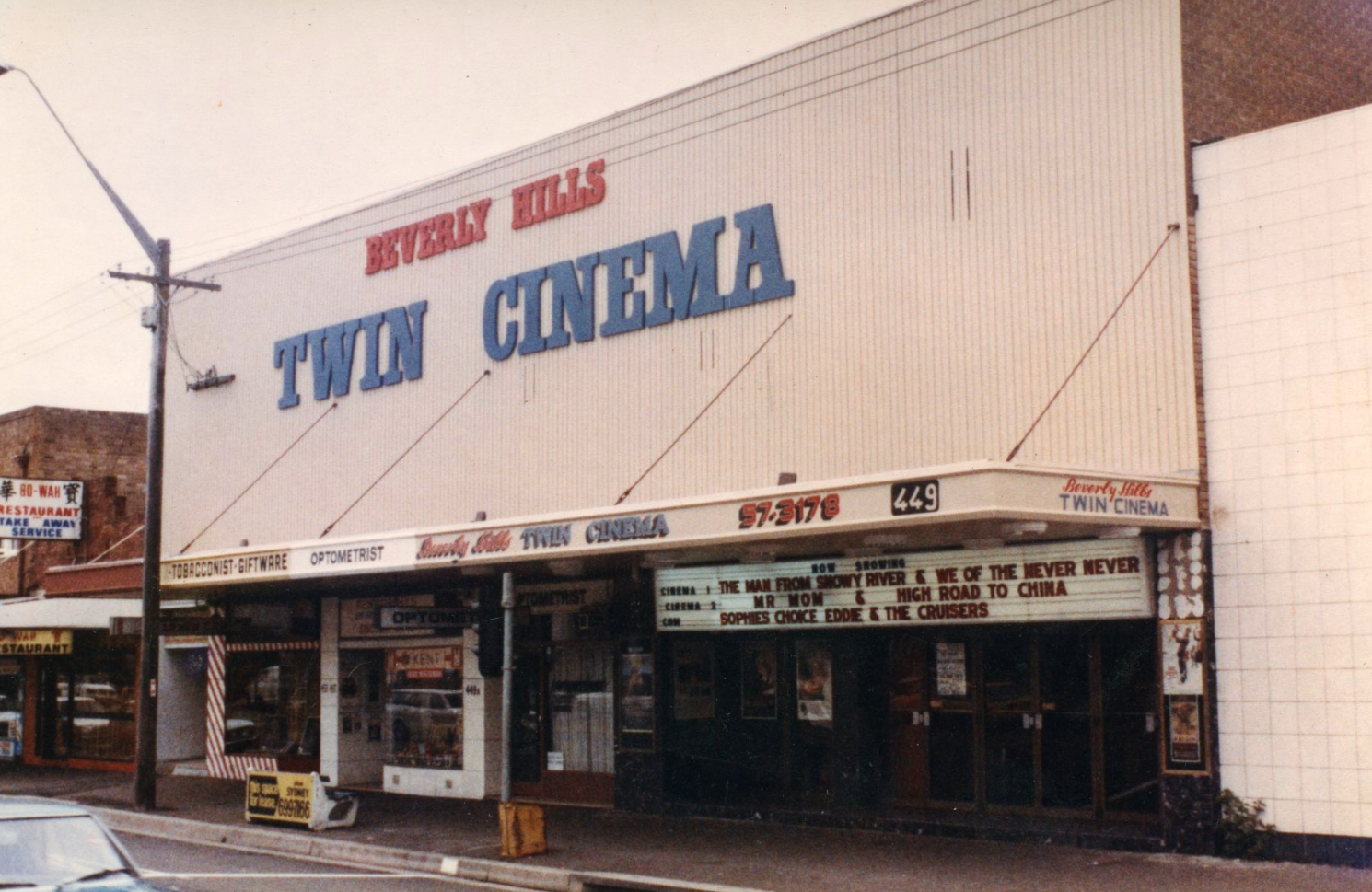
Seeing double at Beverly Hills Twin Cinema, 1983. Image courtesy Georges River Libraries
And couldn’t you tell. For years, the bigger Cinema No. 1 would play host to the big budget blockbusters, while smaller, more intimate pictures or films late in their run were relegated to the tiny Cinema No. 2, which had been shoehorned in above the first. It was an awkward setup, but one that built a reputation as the cheapest cinema in Sydney (based on ticket prices, of course), and became one of the most popular family venues in the south west, especially when coupled with the nearby Beverly Hills Pizza Hut. Movies then all-you-can-eat pizza: it doesn’t get much more 90s than that.
The cinema was looking a bit dated by the early 2000s, but not as bad as the bank next door (originally a Bank of NSW, later a Westpac). Sandwiched between the cinema and the Pizza Hut was one of so many suburban bank branches closed during that time, and it sat dormant for many years just like the Hut.
Perhaps realising it wasn’t a good look, and that there was an opportunity to expand, the Tsagias family bought the bank in 2004 and moved in, creating a video arcade in the new space which greatly relieved pressure from the cramped waiting area.
But this wasn’t enough. In 2008, a complete redevelopment saw the Beverly Hills upgraded to a six-screen cinema. The derelict Pizza Hut was cut in half to make room for more screens and a mini-power station, and the entire facade facing King Georges Road was given the facelift (in true Beverly Hills fashion) that it sports today.
Not quite the case around the back, though.

From the alley behind the cinema, it’s easy to see the layout of the original St James and the bank next door. The structure on the extreme left is new, and sits on the Pizza Hut’s territory. The Pizza Hut recently vanished from existence, perhaps to make way for more parking for the cinema, or a new restaurant (just what BH needs). Whenever you see extensive renovations going on, it’s usually a safe bet that it’s being done to prepare the property for sale. Sure enough, the Tsagias family placed the Beverly Hills Cinema on the market late last year. It seems as if Event Cinemas has taken control, at least of the screening coordination, but it remains to be seen if the Beverly Hills will remain a cinema under a new owner.
If it doesn’t, they may have to change the suburb’s name again.
Oatley Radio Theatre/Oatley RSL Youth Club – Oatley, NSW
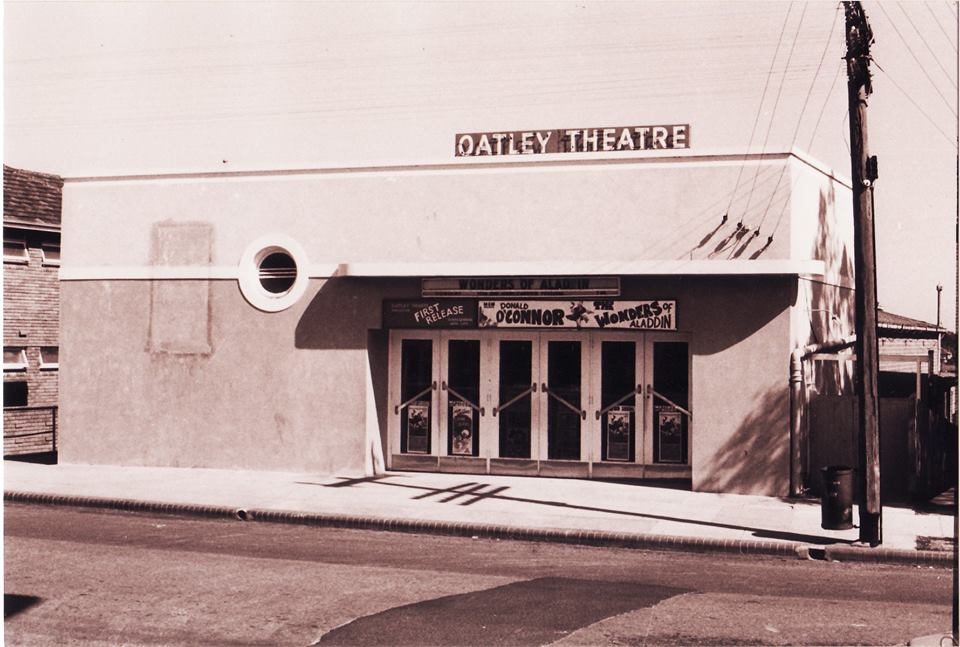
Oatley Radio screening The Wonders of Aladdin, 1961. Image courtesy reader Carmen and Mr W. Collins
It may surprise you, especially if you’re an Oatley resident, to learn that the tiny suburb once enjoyed its own theatre! Designed by Sydney theatre architect extraordinaire Aaron Bolot in 1940, the Oatley Radio opened in 1942 to the delight of cinephiles everywhere (in Oatley).
Throughout the 1940s and ’50s, the Oatley Radio played host to popular films of the day, including Easter Parade (1948) and An American in Paris (1951). In fairness, it probably played host to some unpopular ones too.

The final curtain, 1961. Image courtesy Mr. W. Collins
It’s unclear exactly when the Oatley Radio closed (if you know, let me know), but I’m estimating it was sometime in the 1960s, an era when suburban cinemas were discouraged in favour of the big boys in the city. It’s claimed that the Radio became part of the Mecca family of cinemas (alongside Kogarah and Hurstville), but I haven’t been able to find much on this.

Oatley Theatre foyer, 1961. Image courtesy Mr. W Collins
What is clear is that at some point, the Radio was bought by the Oatley RSL and turned into their Youth Club, which is how we find it today. It’s now named the Jack Fisher Hall, after the founding president of the Youth Club.
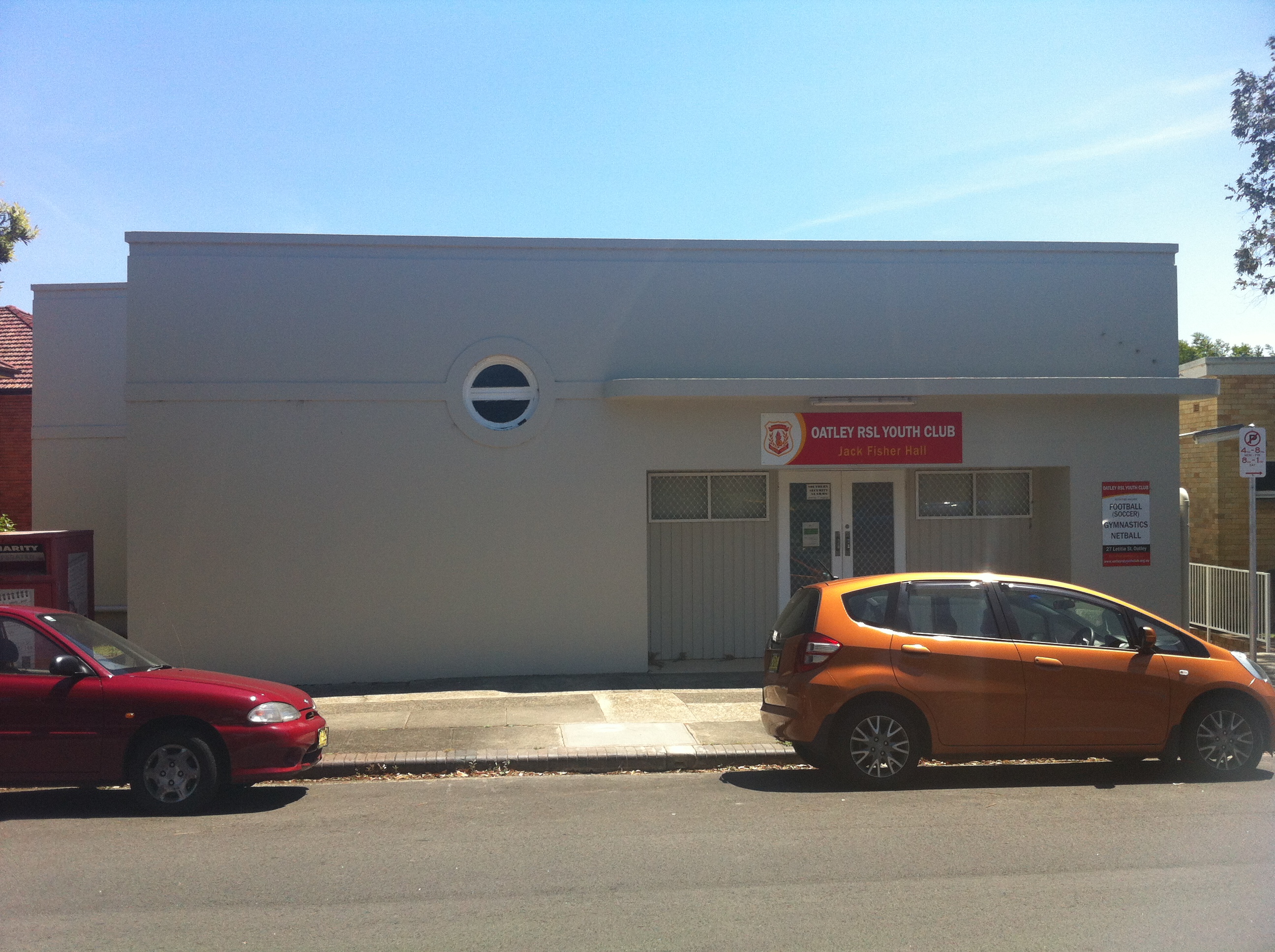
Behind the Radio, it’s all too clear that it was once a 460-seat cinema, despite the tiny, unassuming frontage.
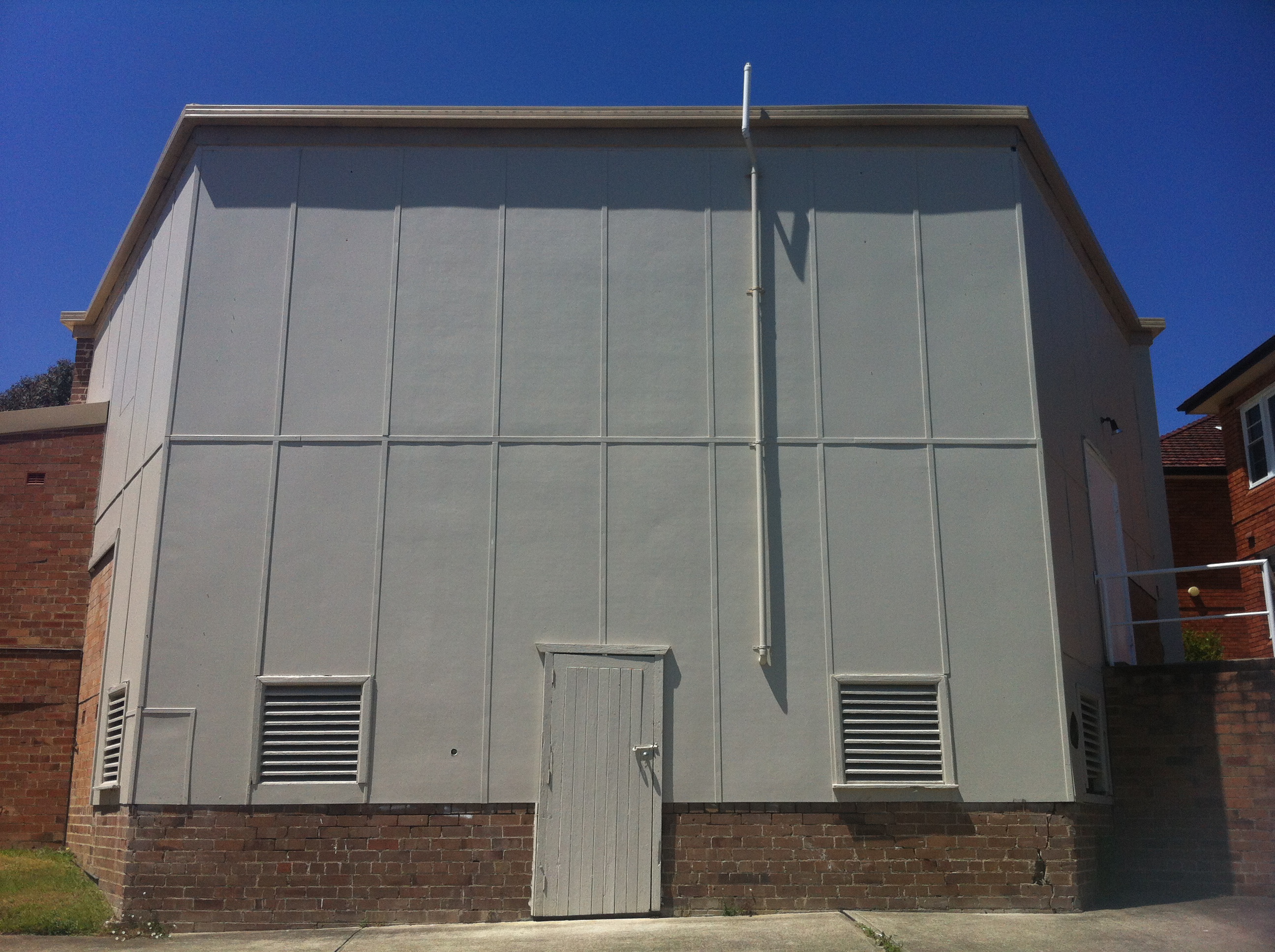
The Radio survives as one of six picture theatres in the Kogarah/Hurstville area still around today (along with the South Hurstville Paramount, the Carlton Odeon, Nash’s Penshurst Theatre, Beverly Hills Cinema and the Kogarah Mecca), but it’s largely avoided the sad fates of renovation or dereliction that have befallen those others. In a strange way, a suburban cinema like this one was the video shop of its day…I doubt anyone’s ever streamed The Wonders of Aladdin (1961).
Orion Theatre/Orion Function Centre – Campsie, NSW
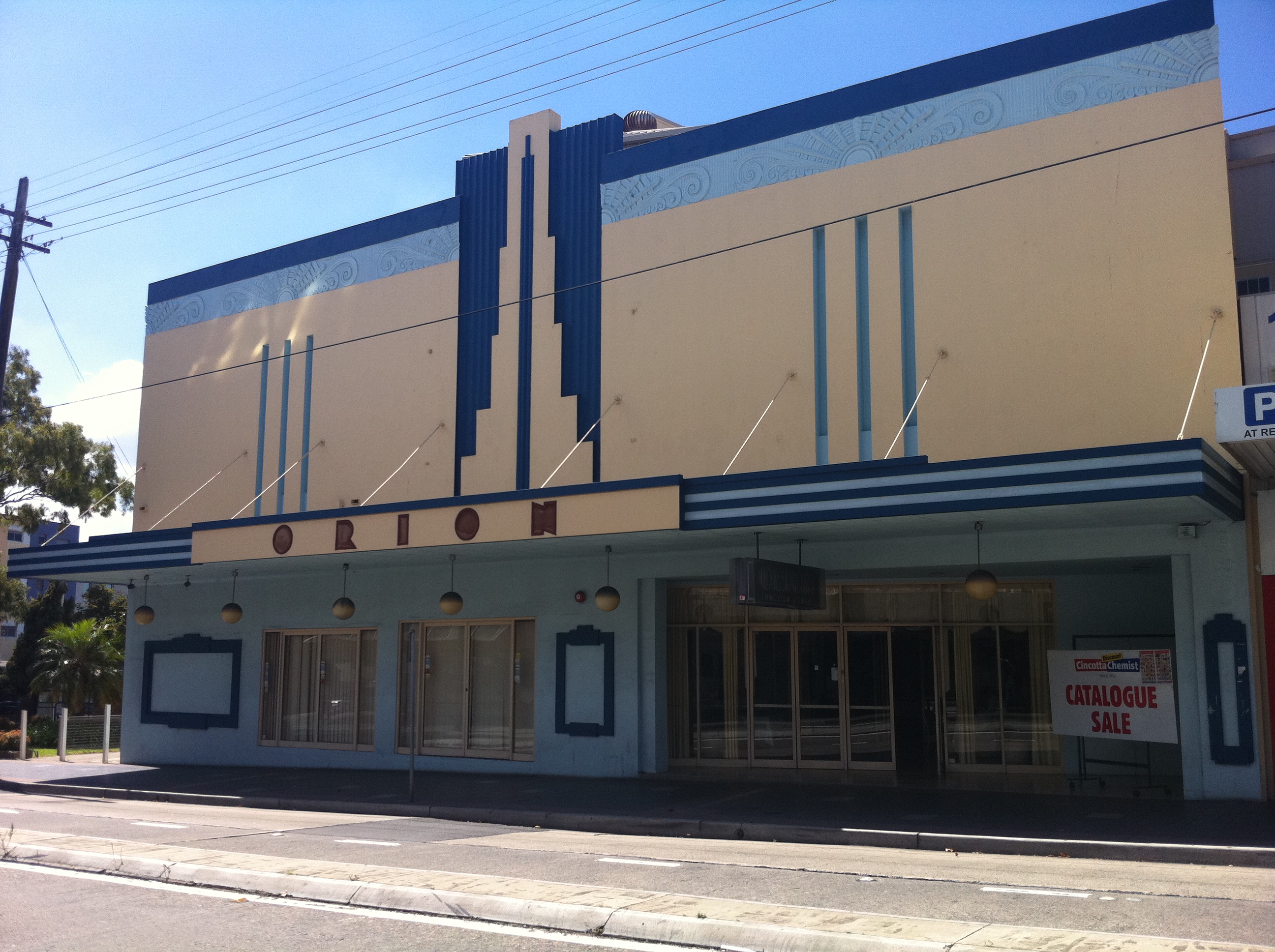
By the mid-1930s, the suburb of Campsie already had a cinema. The open-air Campsie Palace was opened in 1910, and over the next 25 years had become the Excelsis, and finally the Odeon. When the Orion (“Theatre of the Stars!”) opened in 1936 it was seen by some as overkill, but today it’s the last man standing, albeit in a different form.

Orion Theatre interior, 1960. Courtesy Barry Sharp and City of Canterbury Local History Photograph Collection.
Opening in March 1936, the Orion had close ties to the RMS Orion, an Orient Company ocean liner launched from Brisbane in 1934. A mural depicting the liner sat in the cinema’s lobby for the first phase of its life. The first films screened were Love Me Forever starring Grace Moore, and Lady Tubbs starring Alice Brady. The theatre received extensive renovations in 1949, by which time both actresses had died. Our old friends Greater Union got involved in 1953 and, typically, ran the Orion into the ground by operating on a restricted policy. Movies were only shown on Fridays and Saturdays, and the reduction in profits saw the building close as a cinema in 1959. I’m beginning to think that GU intentionally ruined these suburban cinemas just to ensure that moviegoers would flock to their multiplexes, but surely I’m just being cynical…right?

Orion Theatre, 1960. Courtesy Barry Sharp and City of Canterbury Local History Photograph Collection.
In 1964, a year after the RMS Orion was destroyed for scrap, the Canterbury Town Hall was demolished, and the Canterbury Council eyed the Orion as a possible replacement. Since the cinema closed, it was being used as a public meeting place and neighbourhood centre, so it made sense, but for one reason or another it never happened. The Council didn’t forget the ‘Theatre of the Stars’ though (oh, unless you count the years of neglect between 1959 and 1984), and in the 80s began restoring the building for use as a function centre. Renamed the Orion Centre, it can be found in pretty good nick today.

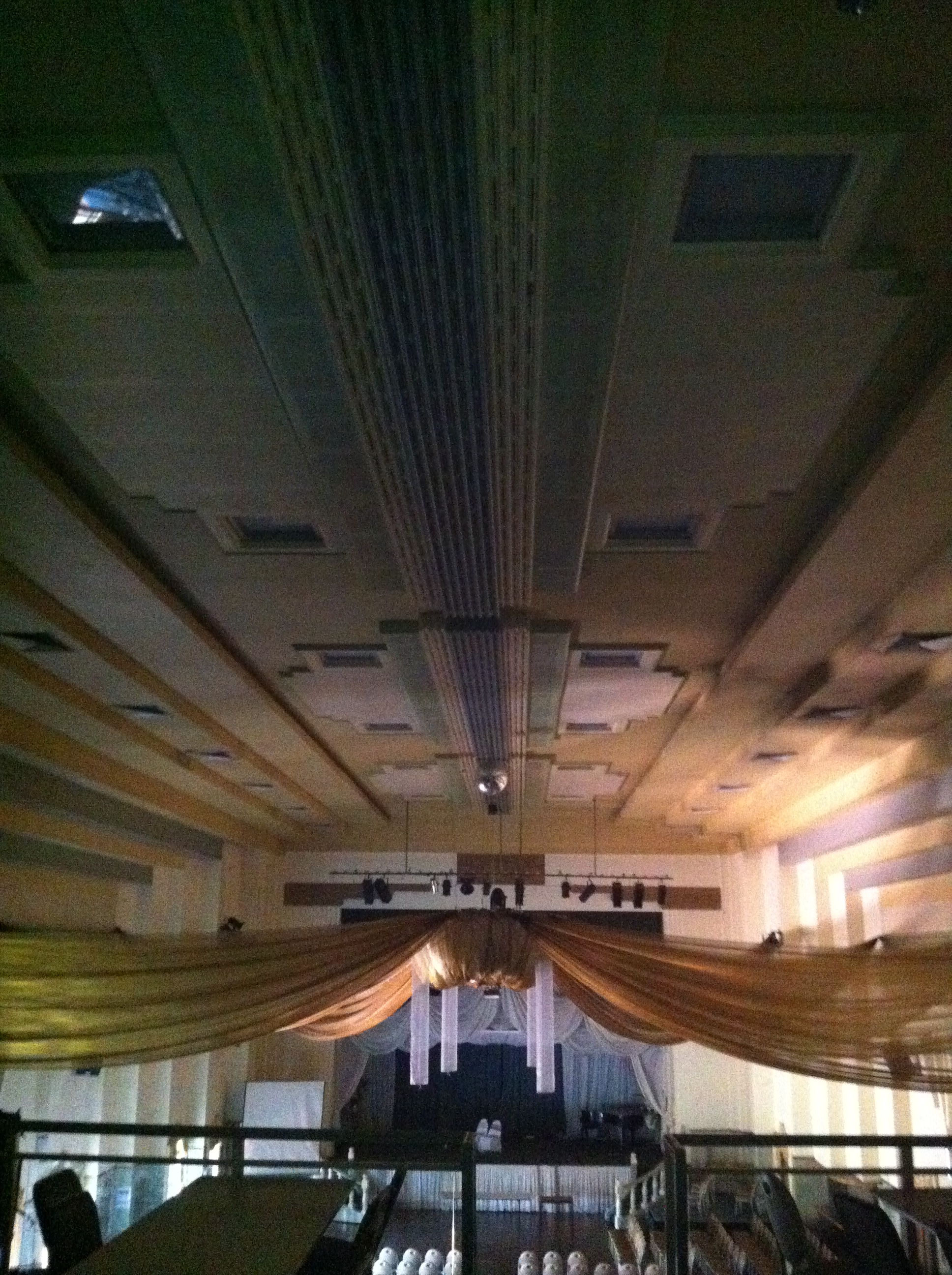
Extensive though the renovations may have been, it’s easy to see the building’s cinematic origins.
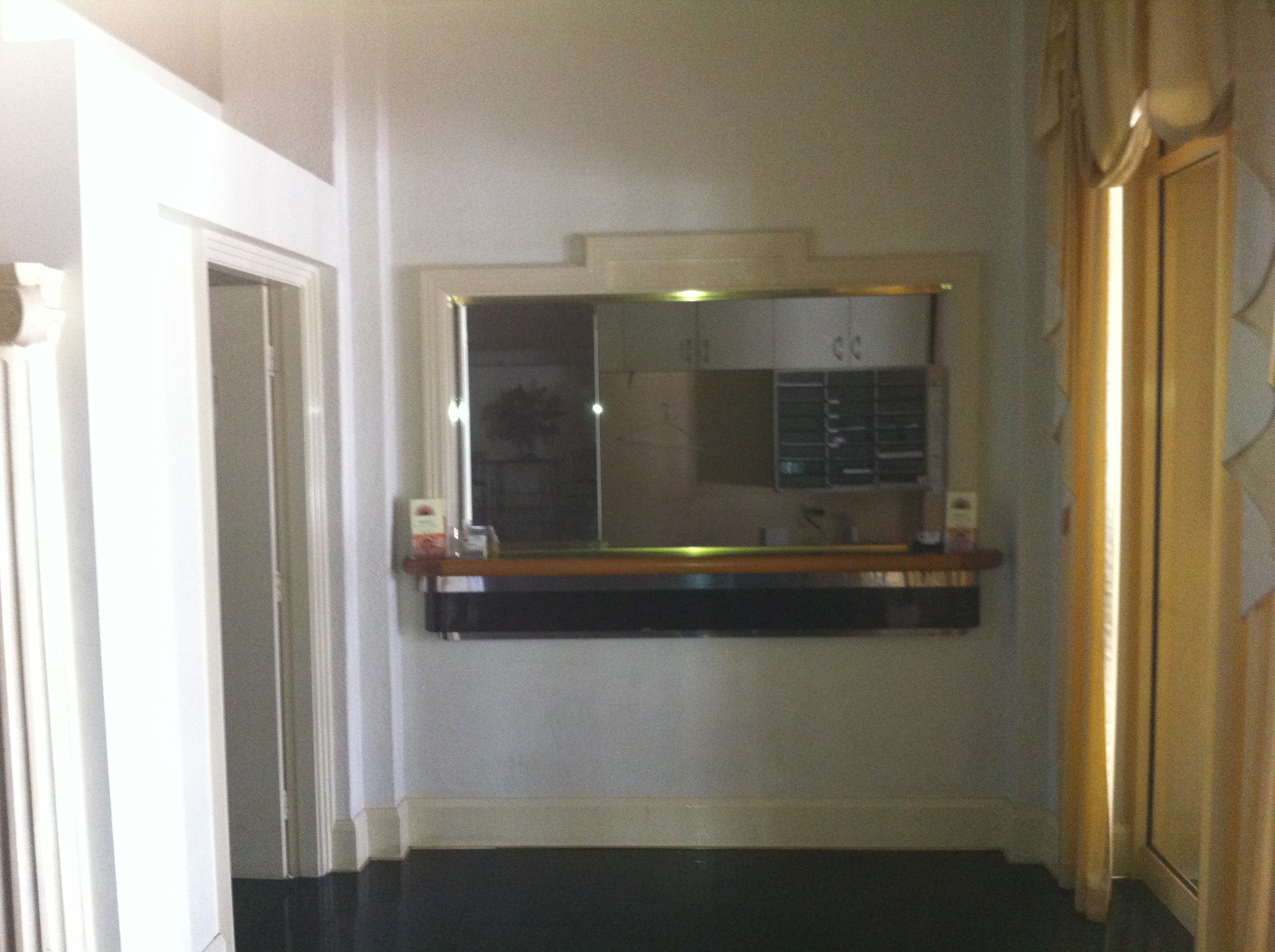

The art deco style is unavoidable inside.
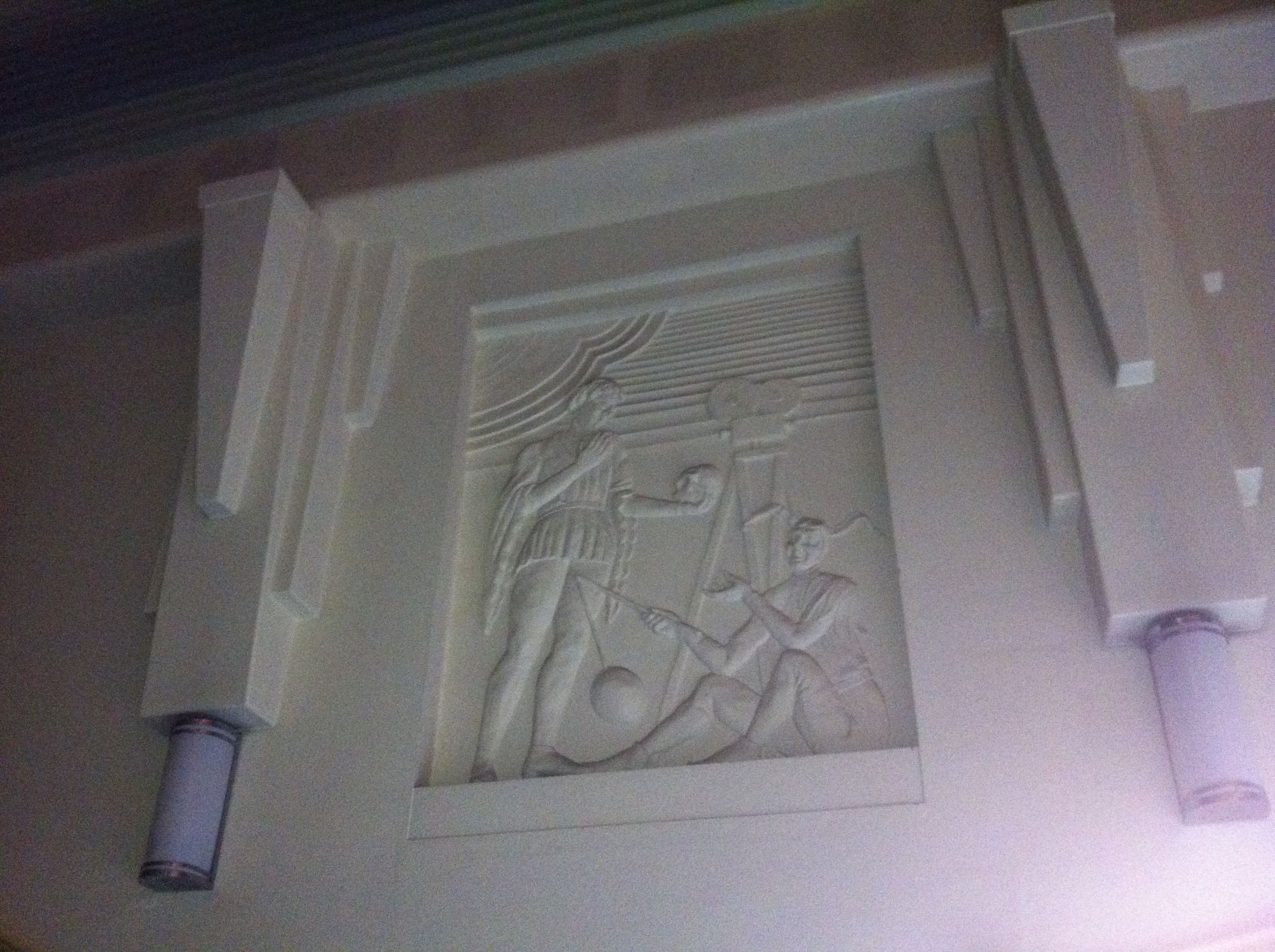
This mural offers another hint of the Orion’s former life:

There may not be any stars on Orion’s belt these days, but the centre’s sense of style certainly evokes a time when a whole galaxy was constantly viewable from Beamish Street with a projector as a telescope.
The Marina Picture Palace/Videomania/For Lease – Rosebery, NSW
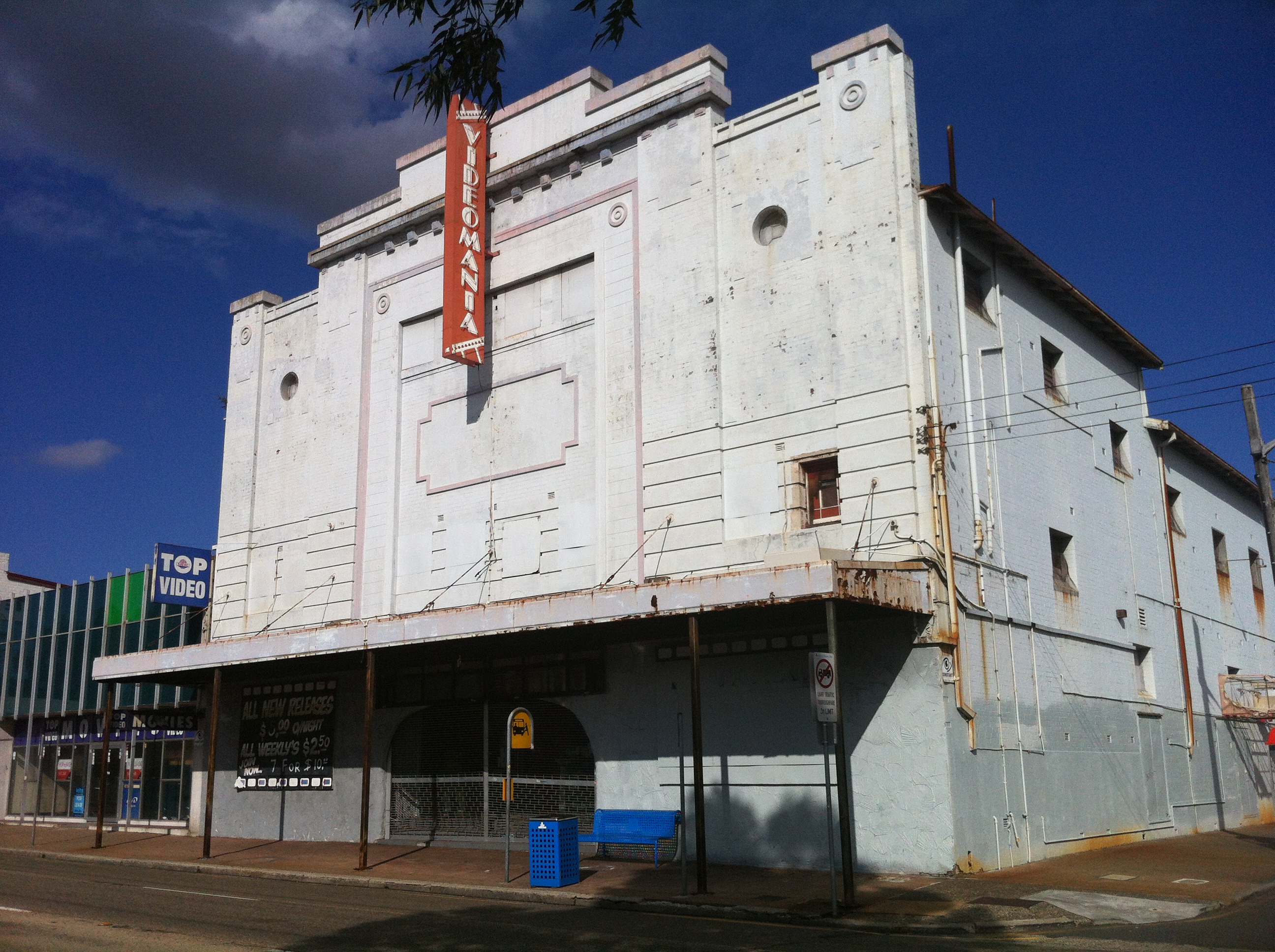
Let’s go back to the world of movies with this piece of work. It’s been sitting on Gardeners Road, Rosebery for a long time, and it shows. The signs promise ‘Videomania’, but for the last ten years it’s been derelict. Before we perform the post-mortem, let’s take a moment to reflect upon the life and times of the former Marina Theatre…
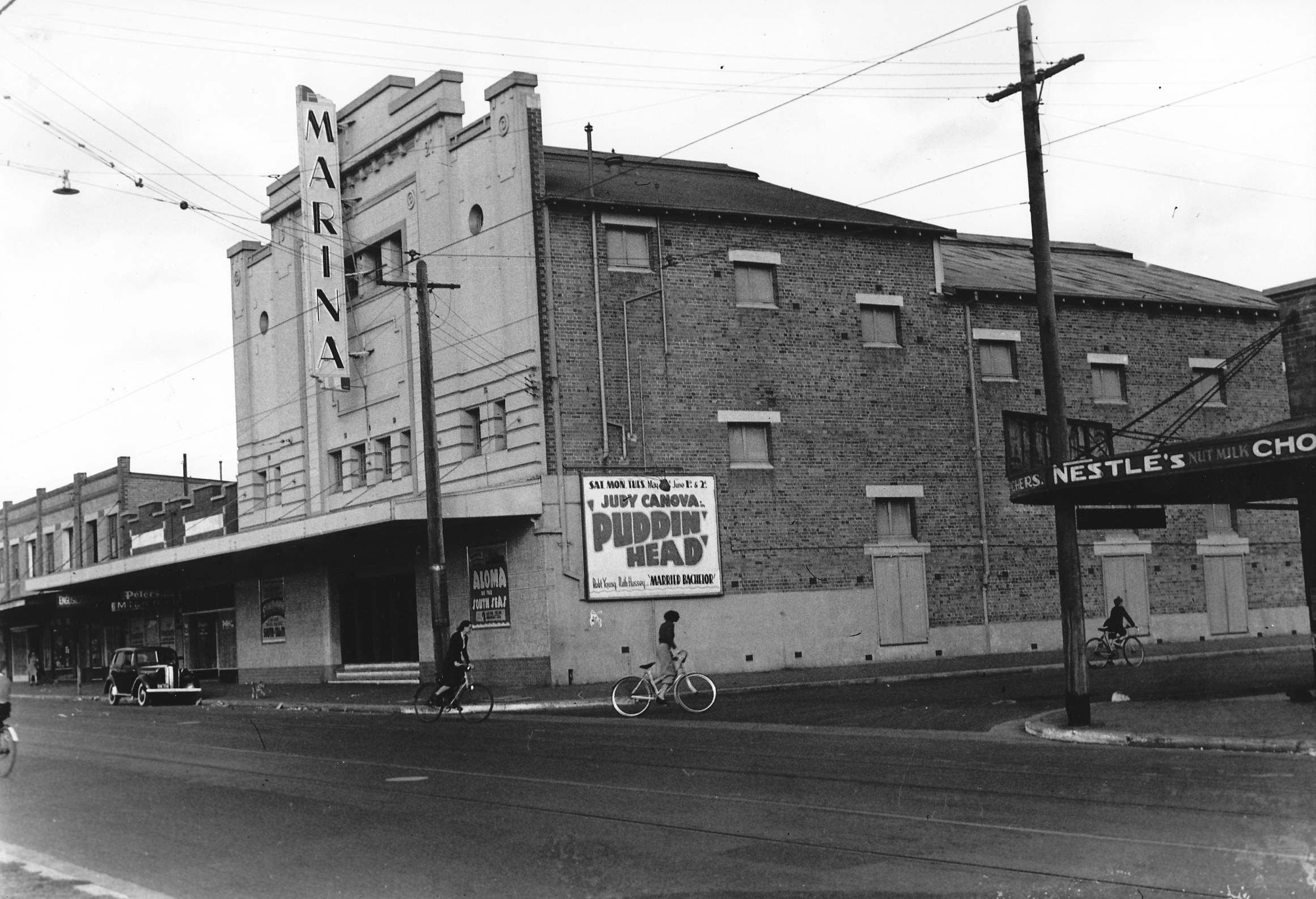
The Marina Theatre, 1941. Note the two sweet shops sitting to the left of the cinema. Also notice the bicyclists not wearing helmets, a quick way to end up with a puddin’ head. Image courtesy City of Botany Bay Local History Image Archive.
The Marina Picture Palace opened in June, 1927 with a hot double feature of Sparrows, starring Mary Pickford, and The Beloved Rogue, with John Barrymore.
Here’s an off-topic aside: The Beloved Rogue became a lost film for 40 years after its release until a well-preserved copy was found in the private collection of Mary Pickford. Now we can all enjoy Barrymore’s admitted overacting as Francois Villon. At least, we could if our video shops were as open as they used to be.
For those with a romantic image of how the cinemagoing experience used to be, and how grand it would have been back then to while away an afternoon at the picture palace, please allow me to now rain on your parade (or spoil your ending). In a scene more suited to modern-day Greater Union Hurstville, ‘excitement prevailed’ at the Marina in 1928:

Townsville Daily Bulletin, 3 Apr 1928.
The reference to ‘complete order’ is very Third Reich, isn’t it? Also, it really was ‘fortunate’, wasn’t it, that the molotov fell into the ‘side aisles’ (cheap seats). Yes, what a bit of excitement.

The Marina Theatre, 1952. Note that only one sweet shop remains. Image courtesy Sydney Reference Collection.
From the early 1960s, the cinema opened and closed a number of times under various independent ownerships. It’s safe to say that if even Hoyts wasn’t taking the bait and buying it up, it must have had something wrong with it. The Marina’s stop-start existence carried on throughout the next twenty years until it was renamed the Rosebery Cinema in the early 80s. That’ll get the crowds back in. Or maybe it was to fool the molotov throwers into thinking it was a different cinema? Either way, GOOD PLAN. So good in fact that the Marina closed for good as a theatre in 1984.

Here’s where we come in. Since that time it’s been Videomania, and now a derelict hulk. It’s a close call, but one of these incarnations is slightly more interesting. Fittingly, Videomania closed in 2002, when video-mania had all but died out, and videomaniacs had flocked to DVD. Rather than switching to a better quality format that takes up less shelf space, Videomania chose to fall on its sword.

You mean ‘weeklies’.
Even though the site is empty, the front window still contains some strange sights.

This trading hours sign indicates that the video shop NEVER CLOSED. Finding this is like finding a gravestone that reads B. 1929 D. —

A series of Greek film posters sit in the window too. Doesn’t that one on the right look enticing. Can’t wait to see that one.

There’s a poster for the Nintendo 64 game Turok: Dinosaur Hunter, which was released in 1997. The Nintendo 64 was discontinued in 2001, and Acclaim, the company responsible for Turok, went out of business in 2004. Fitting choice.

My favourite, and most bizarrely of all, is this full sized Leonardo standup. This isn’t the first time I’ve encountered the Teenage Mutant Ninja Turtles during my adventures with this blog, and I’m sure it won’t be the last. Leo stands as the building’s watchful protector – ready to cut down intruders with his blunt katana and a killer smile.

The sign at the front advertises The Full Monty, another 1997 release. Or at least, it did once upon a time. It’s often irritating to only get to see some of these places from the outside. You stand there wondering what it must be like inside given how well-preserved the exterior is, and whether the other Ninja Turtles are lurking within. Well, wonder no more, as thanks to the folks at Kelly & Sons Real Estate, we can get quite a good look at what’s happening inside the old Marina:

Image courtesy Kelly & Sons Real Estate.
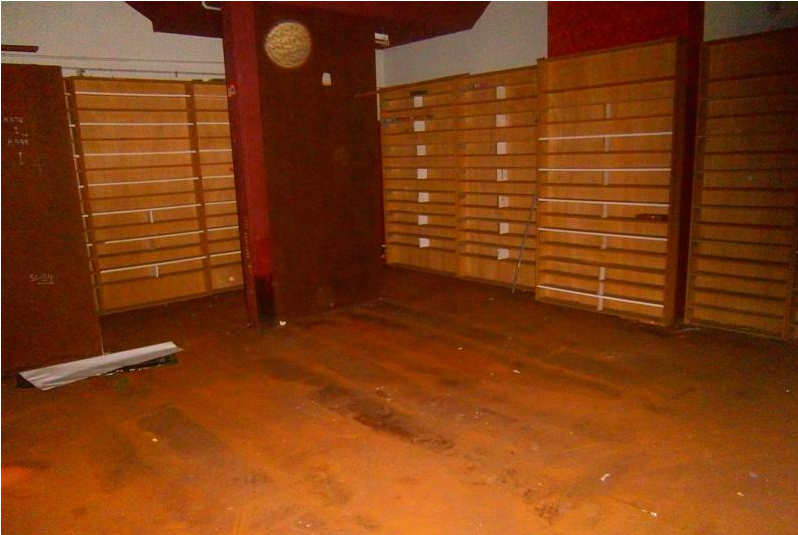
Image courtesy Kelly & Sons Real Estate.
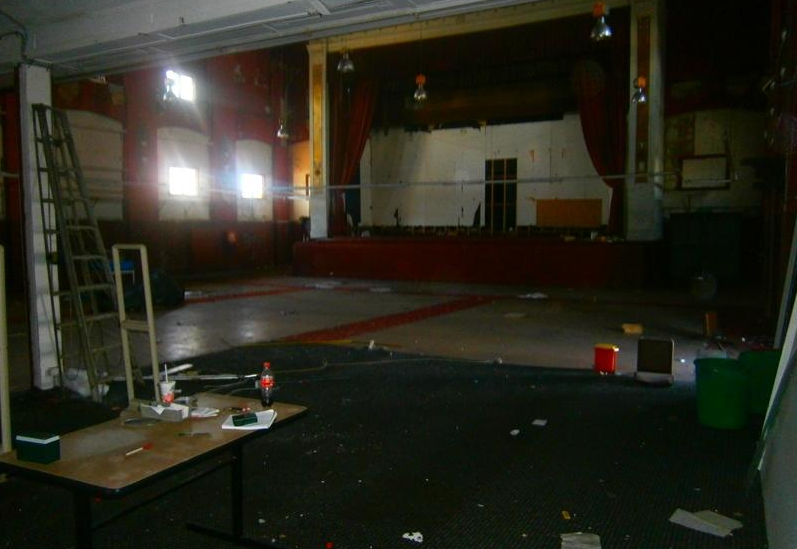
Image courtesy Kelly & Sons Real Estate.

Image courtesy Kelly & Sons Real Estate.

Image courtesy Kelly & Sons Real Estate.

Image courtesy Kelly & Sons Real Estate.
Remember, if you like what you see, you too can lease this bad boy for only $130k pa. What a steal! Kelly & Sons – holla at me so I can let you know where to send my commission.

What an ugly building. There, I said it.
Despite Videomania acting as a testament to the failure of the video shop concept in Rosebery, Top Video at some point decided to make a go of it next door. Smart thinking.

Setting up in what was clearly a bank (and before that, the Marina’s sweet shops), Top Video expected to bank fat coin on the back of Videomania’s failure.

The new release poster left inside suggests that things went wrong around 2008-09. A legacy that started with Sparrows ends with You Don’t Mess With the Zohan.
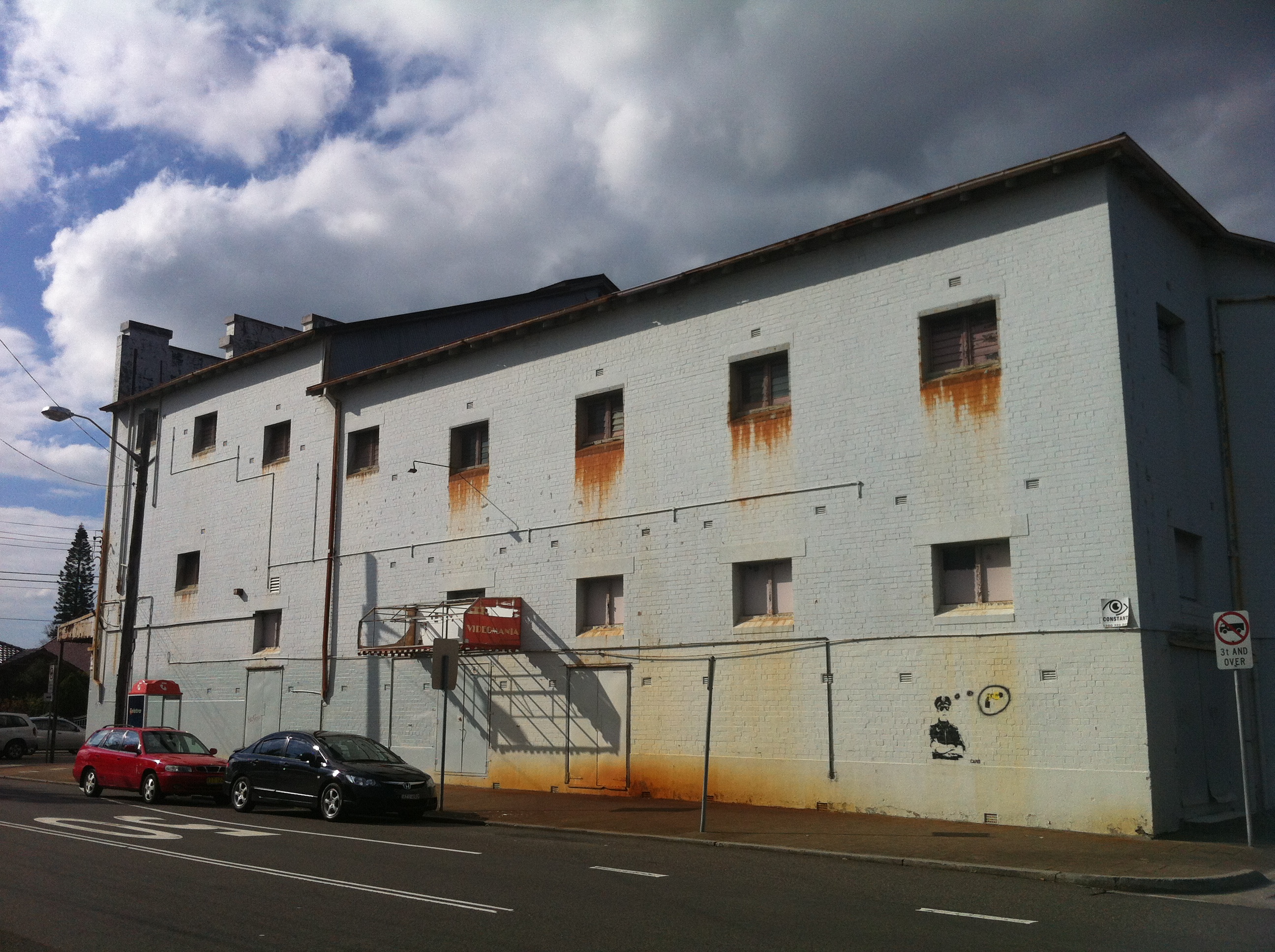
As I turned to leave, I took one last look back at Videomania, and it looked like the building was crying. Look at those top windows. It was as if the theatre was imploring me, as the only one around who cared, to put it out of its misery. I would, Marina, honestly, it’s just…that Leonardo is one intimidating dude.
VIRTUAL UPDATE: An explosive new picture of the Marina/Roxy/Videomania from 1996 has come to light! Check it:
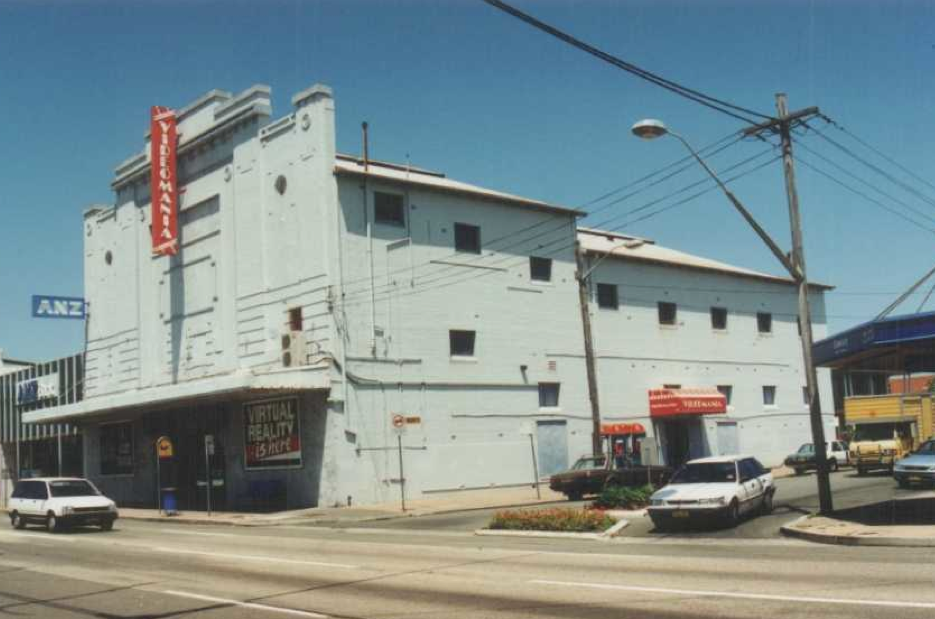
From this, we can see the bank next door was in fact an ANZ, that the Videomania side entrance was once viable, and that VIRTUAL REALITY IS HERE. How else could I have known it was from 1996?
FUTURISTIC UPDATE: I revisited the Marina a year later and made an explosive discovery.
ROCKIN’ UPDATE: The development-minded Vlattas family, owners of the Cleveland Street Theatre and the Newtown Hub, are currently renovating the Marina with the aim of turning it into a live music venue. My suggestion: keep Leonardo as your bouncer. Thanks, reader Rozie!

 Past/Lives of the Near Future