Tandy Electronics/Hair of Istanblue – Gladesville, NSW
Before we launch ourselves into the top three flashbacks, here’s one that’s sure to make the top ten next year. 
If you allow your mind to drift back to the heyday of American-style consumerism this country indulged in between 1970 and 1999, you’ll no doubt remember Tandy Electronics. Born in 1973 as a local subsidiary of an American parent company of the same name, Tandy’s cutting edge product line and futuristic promise found a niche market that didn’t even know it was there. By 1980, Tandy had expanded past its modest Rydalmere headquarters, sprouting up in shopping plazas, arcades and strip malls like this one all around the country.
As a 90s kid, there were no words fit to print with which to express the disappointment of entering a Tandy and expecting video games. It was an electronics shop, wasn’t it? I didn’t want to have to build my own IBM compatible (or CB radio, more likely given Tandy’s field of expertise). They were still kid-friendlier than Radio Shack, but hell, even Dick Smith at least had a SNES game or two.
The paradigm shifted with the arrival of Electronics Boutique in 1997 – an ‘electronics’ shop without the transistors, bulbs and sockets we found so off-putting. At the same time, the limits of home-made technology were becoming apparent as the advances of the tech world left Tandy choking on its dust. In 2001, Woolworths added Tandy to its family, which by then also included Dick Smith.
Sadly for Tandy, it was far too niche to receive a generic relaunching as a consumer electronics and electrical giant as did Dick Smith. By 2009, the Tandy brand was put out to pasture, suddenly the perfect example of an “Oh, where’s that shop gone? I’m sure it was over in this corner…oh well.” moment. The final nail in the coffin was the closure of the tandy.com.au website (it redirects to the Dick Smith site). It’s almost biblical: the final betrayal for Tandy came from the realm of technology itself.
All that remains today are examples like the above. Hair of Istanblue can probably thank Tandy for its awesome homemade security system, or its radio that competes with the permanent-part time apprentice hairdresser for the coveted title of ‘loudest in the room’ on any given business day…but it’s likely these technological legacies go unnoticed.
Not so the old sign outside, the 80s ‘hi tech’ font of which catches the eye much better than the weirdly-incomplete Istanblue awning. But beware its siren call, tech-heads – you won’t find DIY lie detector kits and oscilloscopes here. C’mon, even the defunct Tandy website had to have been better than Hair of Istanblue’s spartan effort.
Also worth mentioning is the integral part Tandy Electronics played in the early 90s Australian childrens TV series Finders Keepers.

Image courtesy ABC
In the show, based on Emily Rodda’s books, a Tandy outlet in Prospect (a northern suburb of Adelaide) acts as a gateway to another world, one separated from ours by a ‘time barrier’. As the Gladesville Tandy has shown us, it wouldn’t be the last time Tandy would act as a time warp.
Butcher/Cashman Money Lent – Hurstville, NSW
While we’re on the subject of Hurstville, here’s a place a little bit further down Forest Road.

When I look at a place like this, I wonder what the butcher would think if he was transported from his time to Hurstville as it exists today. Would he shed a tear at two money lent shops replacing his life’s work? Would he conclude from the existence of two money lents side by side that today’s economy ain’t what it used to be? That the world has gotten so bad that we’re now cavalierly profiting from human misfortune more than animal? Or would he just think they were modern day banks (in which case he wouldn’t be far off)?
Also, there’s something about that font that chills me. I’m not talking about the Cashman font (terrifying as it is), I mean the ‘Butcher’ font. It almost makes you forget the brutality of the word itself. Gee, this was all a bit downbeat, wasn’t it? The countdown continues next time.
Past/Lives Flashback #10: Butchery No. 1 – Hurstville, NSW
As promised, here’s the first in a series of articles taking a look back at the top ten most popular Past/Lives posts of the last year. If I was smart, I would have picked the ten least popular posts so as to boost their views, but there’s a good reason the Belfield denture clinic never found its audience.
With that in mind, it’s to my complete amazement that I present the tenth most popular entry, Hurstville’s No. 1 Butchery.
Original article: Food Fair/ANZ Bank/The Base Store/No1 Butchery – Hurstville, NSW

First things first: there are no obvious changes. Given the building’s colourful history, it’s almost a surprise there’s been no activity over the last 12 months, but there you have it…NO changes whatsoever (perhaps with the exception of the chemist next door having become “Australia’s cheapest chemist”. Yeah, right). It’s as ugly a shopfront as ever, and that demonic pig in the logo is just as disturbing. I’d be willing to bet those people walking past are the same as last year, too.
What’s really interesting to me about this place is that just over the last few weeks, it’s exploded in terms of page views. Why? The whole point of this series was to show you how things have changed over a year, and to find something new to add, so this is a great start. What’s so special about this place? Then again, that’s probably what you were saying when I published the original article a year ago. Wait! Do you feel that? It’s moments like these that bring us closer, dear reader.
Don’t worry, they won’t all be like this.
Rozelle Theatre/Arch Stone & Residential – Rozelle, NSW

Whoa, deja vu! This incarnation of the Rozelle Theatre, constructed in 1927, was actually the second theatre to be built at this location. You can take one look at it and know it was a job by architect Charles Bohringer, who also brought us the Homebush Theatre. That Bohringer…it’s like he was tortured by this single vision in his head and could never quite exorcise it, no matter how many theatres he designed.
While we’re on the topic of torture, Zero Dark Thirty’s got nothing on Miss Louise Mack, who sadistically inflicted a series of lectures on children at the theatre during the late 1920s:

SMH, 26 November 1929
You won’t be surprised to learn that it was Hoyts who played the part of the executioner in the tragic tale of this theatre, which ceased projection in 1960 – and speaking of executions:

Wouldn’t have wanted to be that last fellow… Adelaide Advertiser, 12 June 1950
After an embarrassing stint as a function centre, the cinema today stands as an Arch Stone tile outlet topped with an apartment block. It’d be a damn spooky place to live, too…it’s said that on a dark and stormy night, you can still hear the yawns of Miss Mack’s students…
St. James Theatre/Beverly Hills Cinemas – Beverly Hills, NSW
 Let’s cut to the chase: the Beverly Hills Cinemas are looking a little…porky these days. It’s hard not to notice the expanding waistline anymore, even for the sake of politeness. What I’m saying is, if the Beverly Hills Cinemas were a person, they’d need to take the Kayla Itsines challenge a few times to squeeze back into those trackpants.
But it wasn’t always this way. Back before the cinema was built, the suburb was known as Dumbleton, after a nearby farm. The opening of the Dumbleton train station in 1931 had opened up the suburb to the rest of Sydney in a way the previous public transport option – a coach service from Hurstville station – had not.
Dumbleton’s first shop had only opened in 1908 (on the site of the present day Beverly Hills Hotel), so there wasn’t exactly a major reason to go there. Dumbleton residents hoped to change this in 1910, when a post office was opened within the existing store. It was like the proto-Westfield.
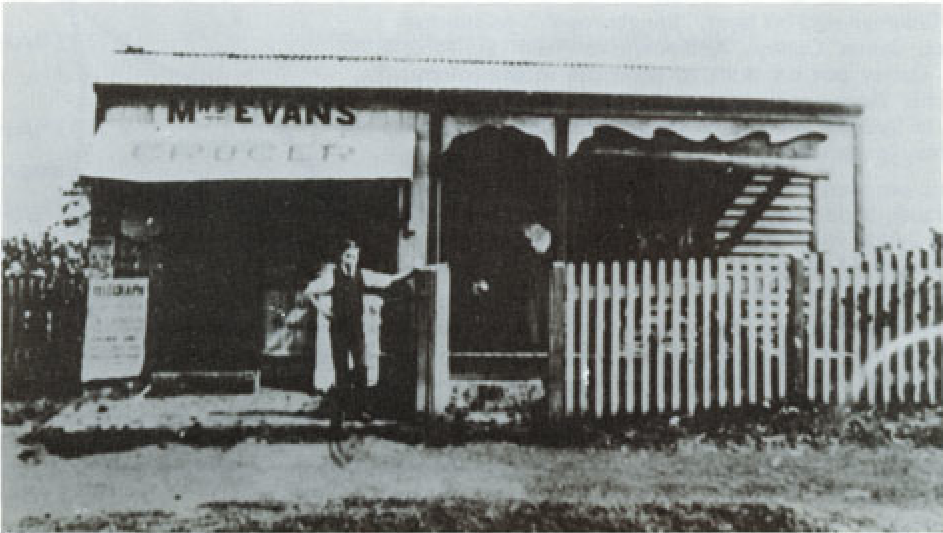
This is that shop, circa 1916. Image courtesy Regina Coeli Parish, Beverly Hills.
The Second World War brought military personnel to Dumbleton, further increasing its population and forcing it to come up with more shops to keep people entertained, but it’s kinda hard to make anything entertaining when your suburb’s name is Dumbleton.
In late 1938, plans began for a picture theatre along King Georges Road with a projected completion date of 1940. I suppose the Dumbletonians were hoping to emulate the success of the Savoy theatre in nearby Hurstville, but they still had the nagging problem of that name.
An American cultural influence had been building in the outskirts of Sydney with the advent of cinema, so with an impending theatre and the belief that the USA would soon be joining the war effort, a move was made in 1940 to change the suburb’s name to the much more glamourous sounding Beverly Hills – Hollywood on the East Hills line. The Californian equivalent was home to famous movie stars, and with the completion of the St. James Theatre later that year, so would Dumbleton.
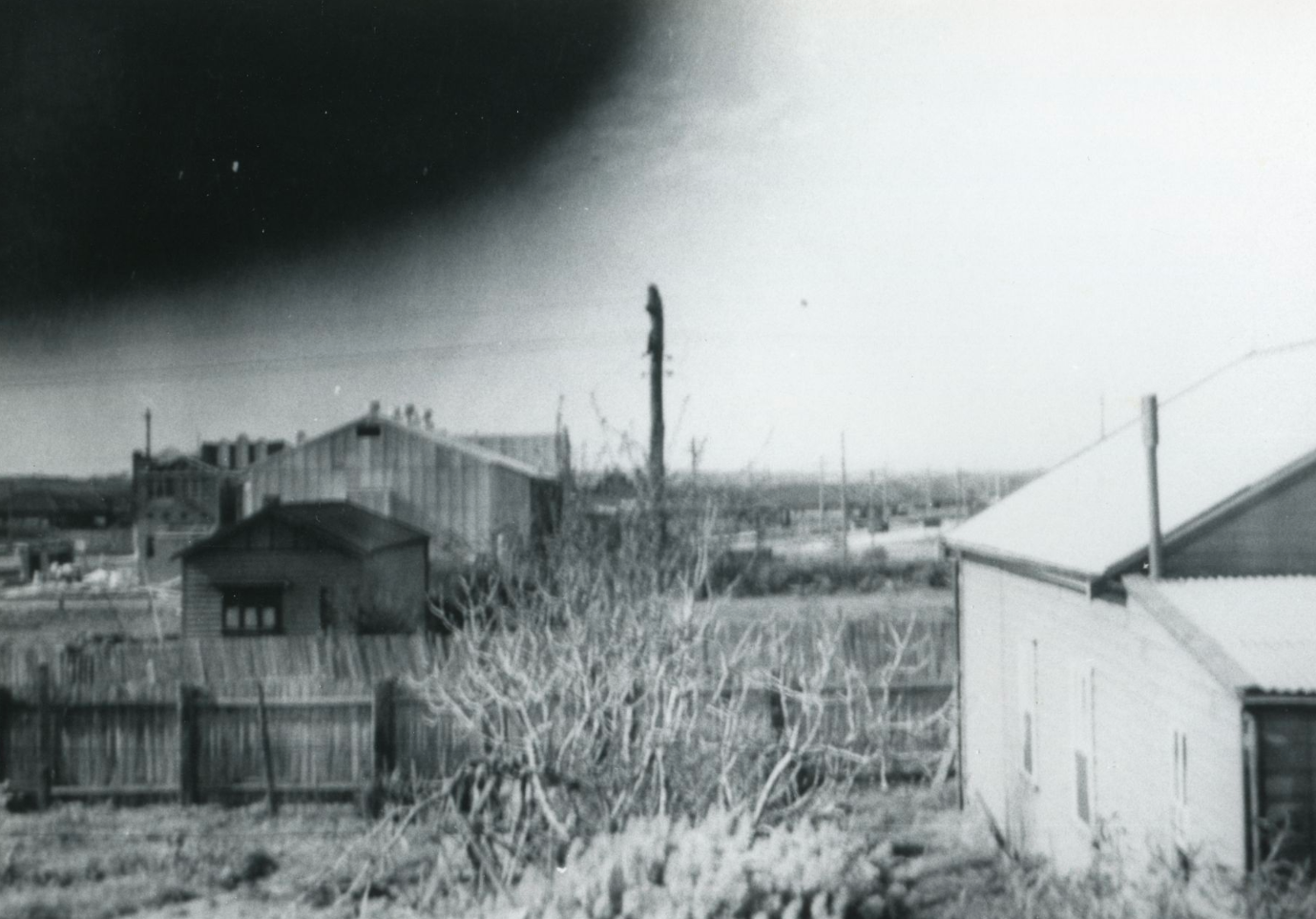
Dumbleton bites the dust as the St. James (centre left) gives rise to Beverly Hills, 1940. Image courtesy Georges River Libraries
A strip of palm trees down the centre of King Georges Road was added to complement the Hollywood theme in a move no one in the 1940s could have predicted would become so tacky by the present day.
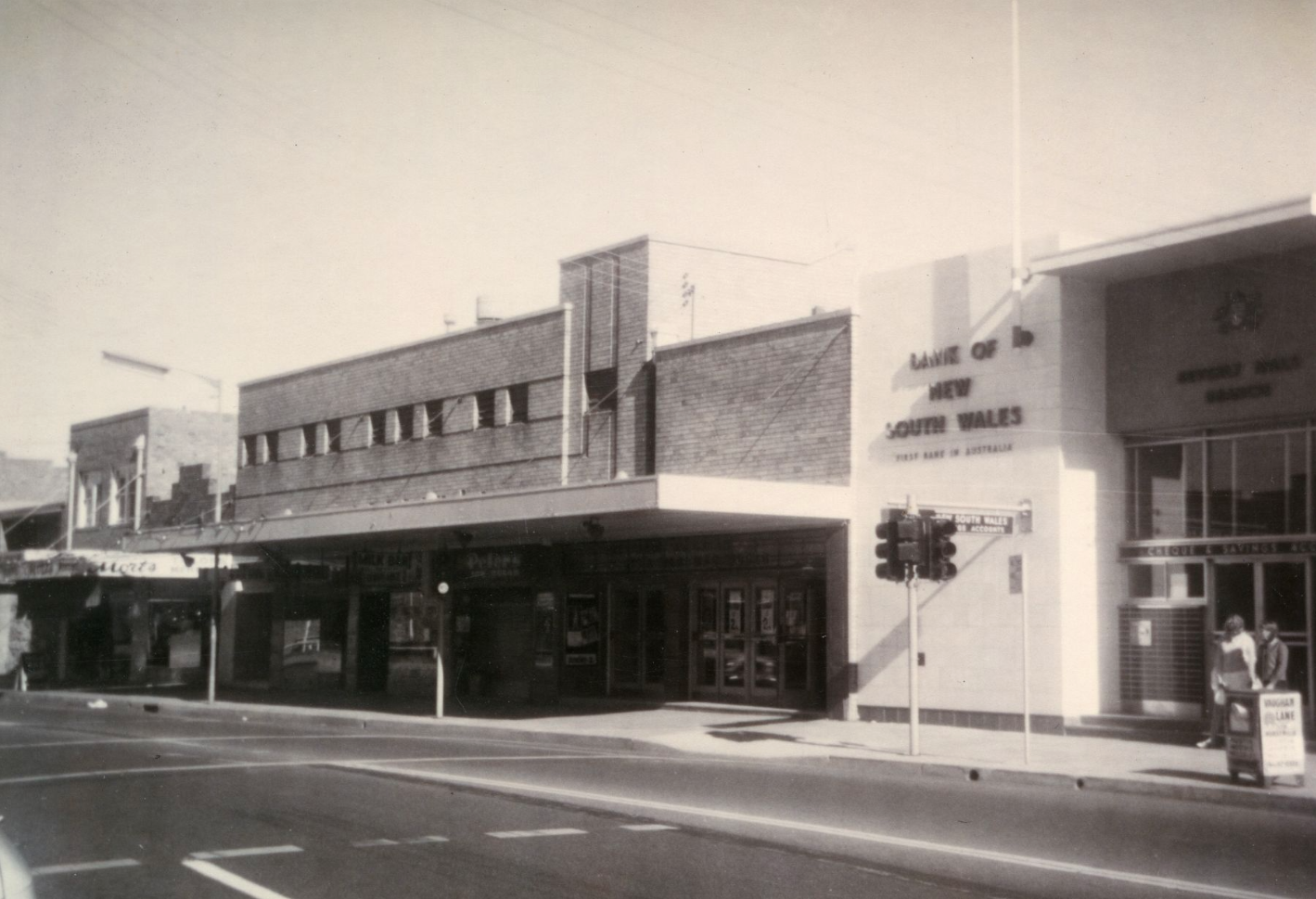
St. James Theatre looking very much like a bank, 1966. Image courtesy Georges River Libraries
The St. James Theatre entertained the residents of the growing suburb (even those older residents who had loudly complained about the name change) for decades until the 1970s, when the voracious Hoyts incorporated it into its suburban chain.
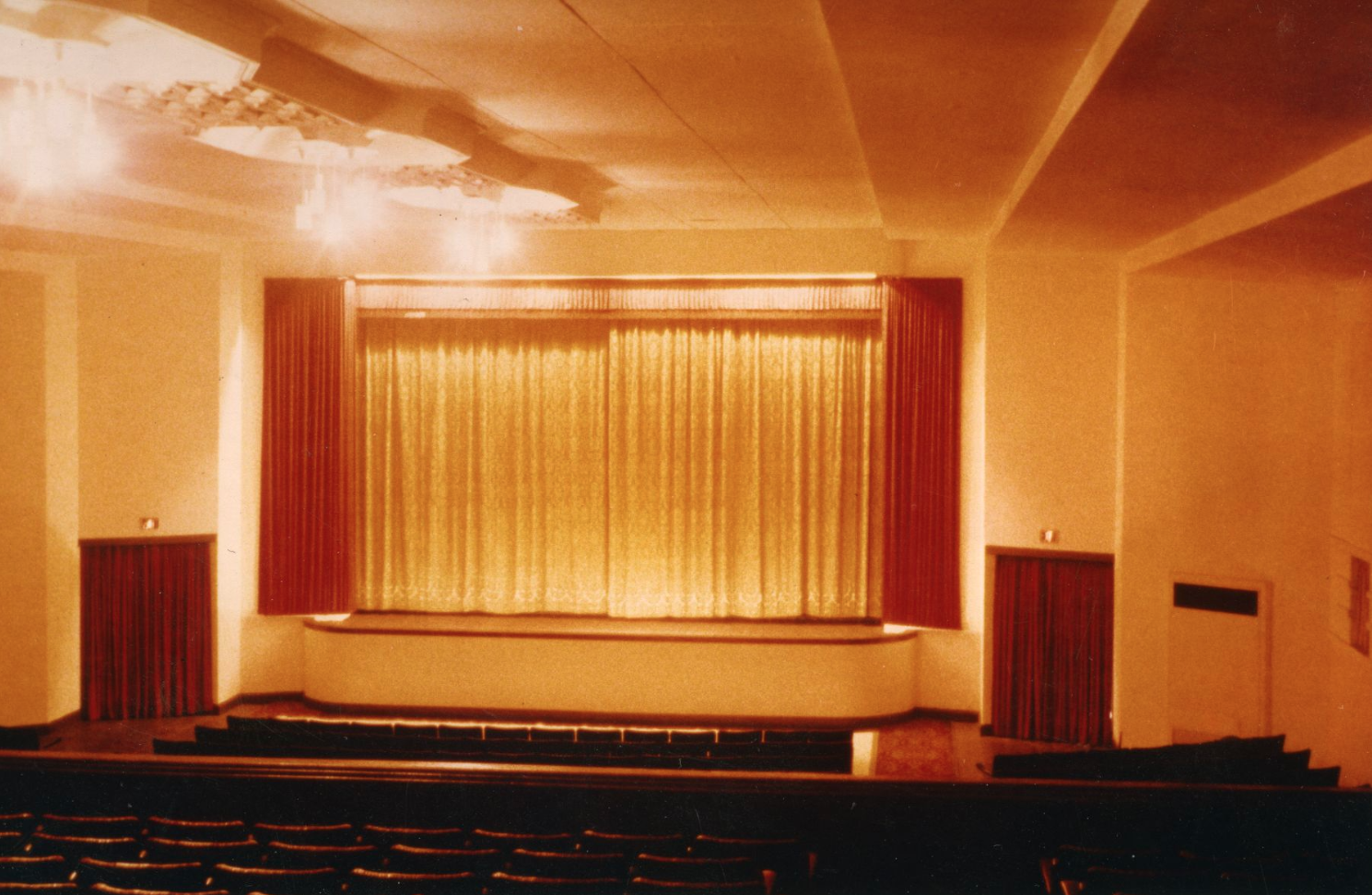
Inside the St. James Theatre, 1981. Image courtesy Georges River Libraries
By 1978, it had fallen into disrepair like many of its suburban cousins that had survived the mass demolition of such cinemas during the progressive 60s, and was showing adult films. Saint James indeed.
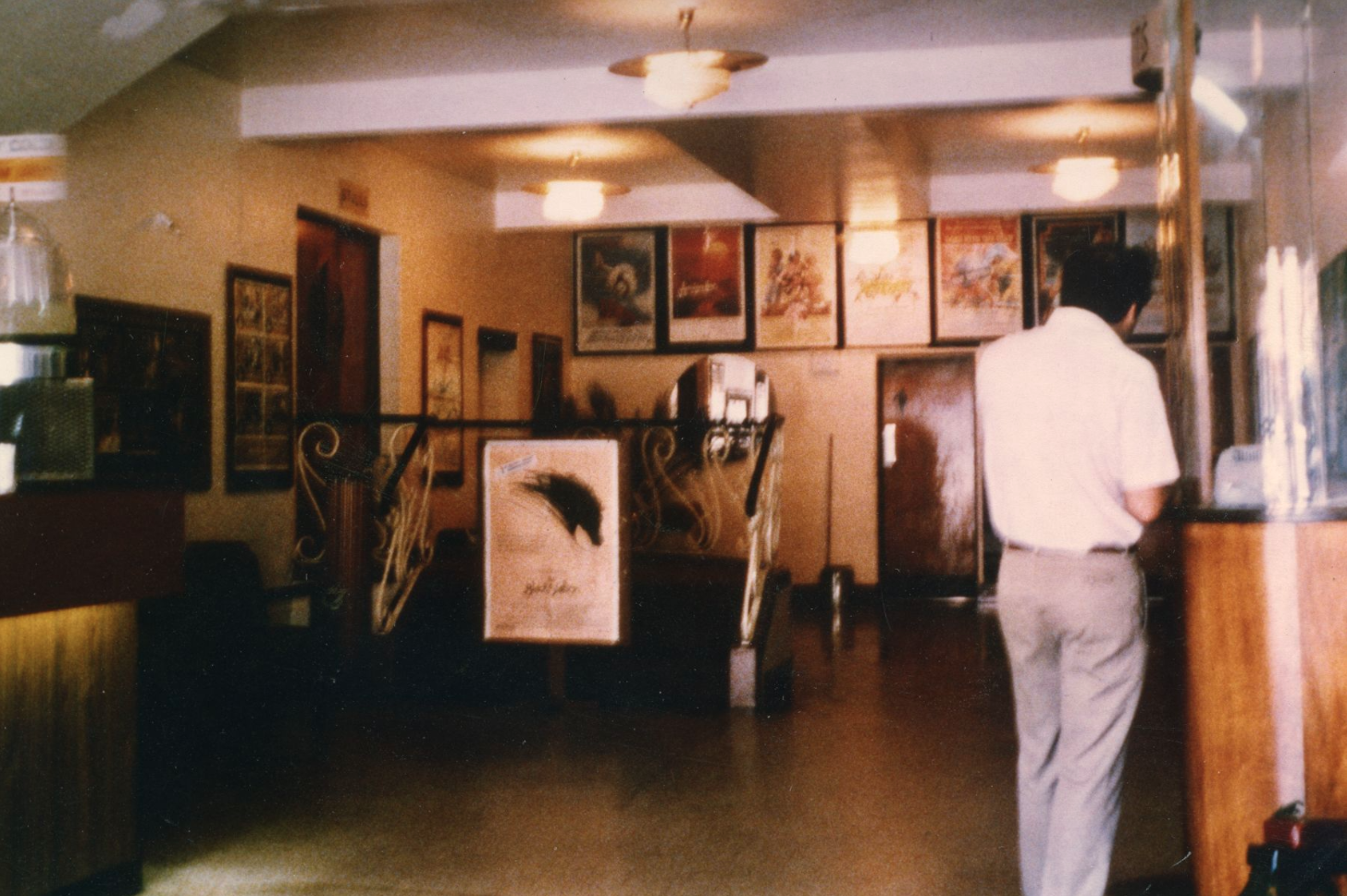
St. James Theatre lobby, 1980. Image courtesy Georges River Libraries
It was that year when developer Jim Tsagias bought the St. James, with plans to transform it into a function centre. Something changed his mind (perhaps the palm trees) and he decided to restore it as a cinema.
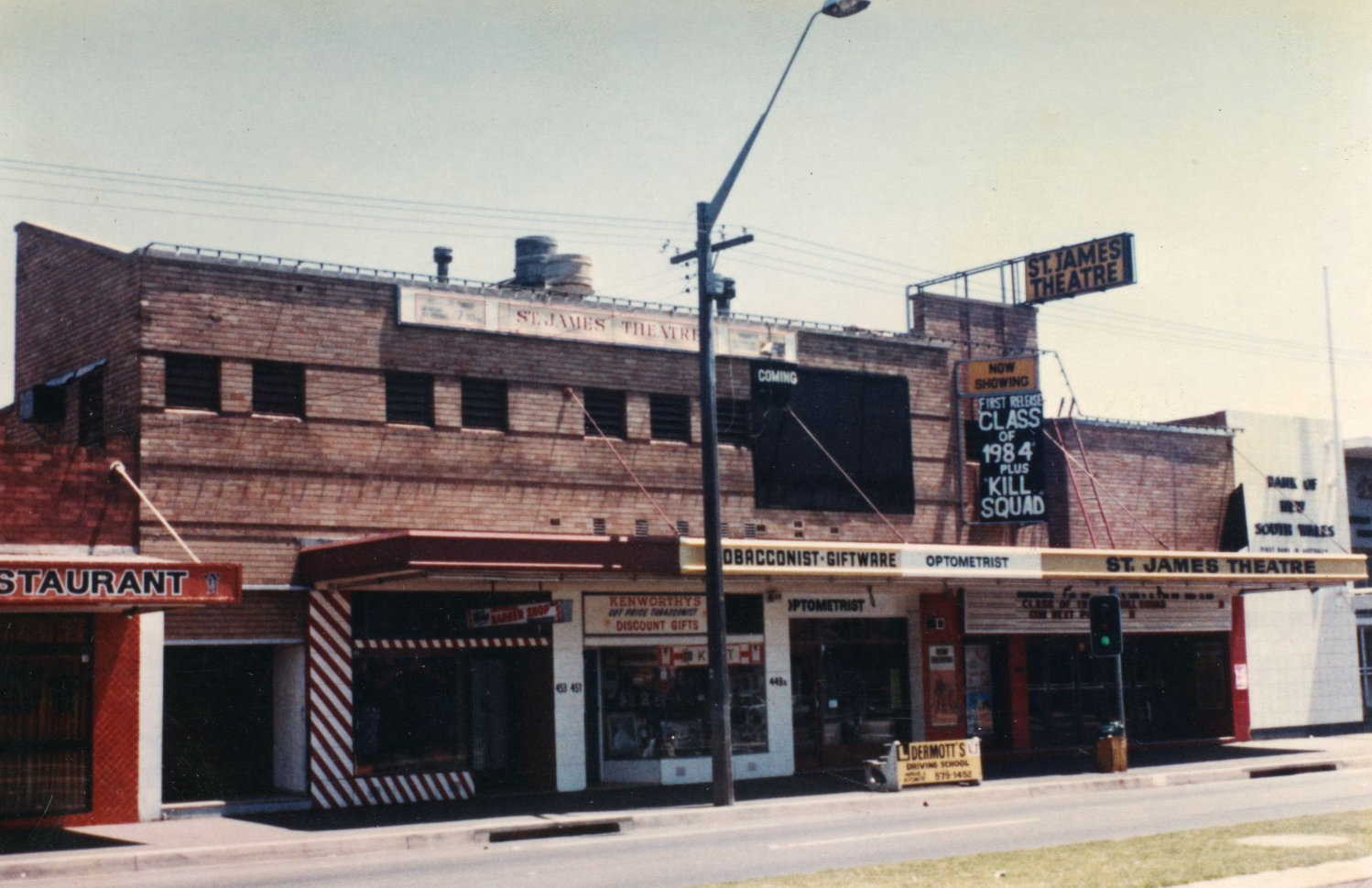
The final reel of St. James Theatre, 1982. Image courtesy Georges River Libraries
In 1982 it was reopened as the one-screen Beverly Hills Cinema, and in 1983 it was converted to a twin.
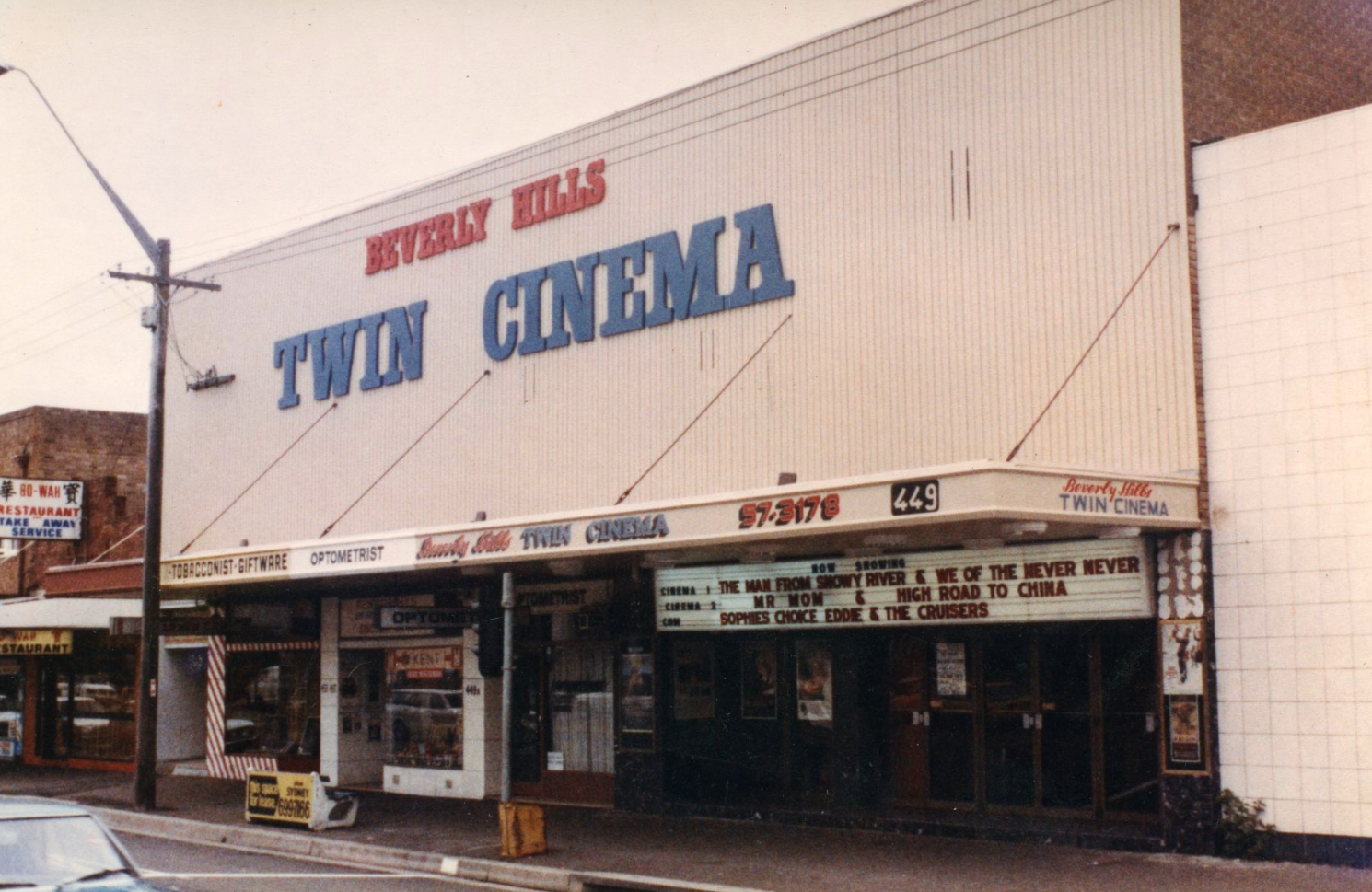
Seeing double at Beverly Hills Twin Cinema, 1983. Image courtesy Georges River Libraries
And couldn’t you tell. For years, the bigger Cinema No. 1 would play host to the big budget blockbusters, while smaller, more intimate pictures or films late in their run were relegated to the tiny Cinema No. 2, which had been shoehorned in above the first. It was an awkward setup, but one that built a reputation as the cheapest cinema in Sydney (based on ticket prices, of course), and became one of the most popular family venues in the south west, especially when coupled with the nearby Beverly Hills Pizza Hut. Movies then all-you-can-eat pizza: it doesn’t get much more 90s than that.
The cinema was looking a bit dated by the early 2000s, but not as bad as the bank next door (originally a Bank of NSW, later a Westpac). Sandwiched between the cinema and the Pizza Hut was one of so many suburban bank branches closed during that time, and it sat dormant for many years just like the Hut.
Perhaps realising it wasn’t a good look, and that there was an opportunity to expand, the Tsagias family bought the bank in 2004 and moved in, creating a video arcade in the new space which greatly relieved pressure from the cramped waiting area.
But this wasn’t enough. In 2008, a complete redevelopment saw the Beverly Hills upgraded to a six-screen cinema. The derelict Pizza Hut was cut in half to make room for more screens and a mini-power station, and the entire facade facing King Georges Road was given the facelift (in true Beverly Hills fashion) that it sports today.
Not quite the case around the back, though.

From the alley behind the cinema, it’s easy to see the layout of the original St James and the bank next door. The structure on the extreme left is new, and sits on the Pizza Hut’s territory. The Pizza Hut recently vanished from existence, perhaps to make way for more parking for the cinema, or a new restaurant (just what BH needs). Whenever you see extensive renovations going on, it’s usually a safe bet that it’s being done to prepare the property for sale. Sure enough, the Tsagias family placed the Beverly Hills Cinema on the market late last year. It seems as if Event Cinemas has taken control, at least of the screening coordination, but it remains to be seen if the Beverly Hills will remain a cinema under a new owner.
If it doesn’t, they may have to change the suburb’s name again.

 Past/Lives of the Near Future