Yasmar – Ashfield, NSW

As you crawl along Parramatta Road, past the Vita Weat building, the Strathfield Burwood Evening College, the Homebush Racecourse, the Midnight Star, the Silk Road, the Brescia showroom and Chevy’s Ribs, you might notice these forbidding gates peeking out from behind a near-impenetrable wall of bushes. On a road full of head-turners and eye-catchers, a true time warp awaits the hand of progress to seize it by the overgrown scruff of its neck and haul it into the 21st century.
It can wait a little longer while we take a look. After all, it’s only existed in its present state for over 150 years.
The unusual name of Yasmar originated in 1856, when Haberfield landowner Alexander Learmonth erected his home on the estate, which he had inherited through marriage to the granddaughter of ubiquitous Sydney property tycoon Simeon Lord. Learmonth named the house Yasmar after his father-in-law, a Dr. David Ramsay. Surrounding Yasmar House was a magnificent garden, designed in the Georgian fashion to gradually reveal and present the house.

Very gradually, clearly.
In 1904, the property was leased by Grace Brother Joseph Grace, and became his Xanadu. Fittingly, Citizen Grace died in the house in 1911. The estate fell into the hands of the NSW Government in 1944, who promptly proceeded to establish a centre for juvenile justice on site.

When it dawned on the powers-that-be that years of horticultural neglect had created the Alcatraz-style escape proof prison seen today, the estate was turned into a juvenile detention centre, which lasted from 1981 to 1994, when the Department for Juvenile Justice relocated, presumably using machetes. From then until 2006, the grounds housed NSW’s only female juvenile justice centre, and since that time, politicians have argued back and forth to have Yasmar made available to the public.

These days, it appears that Yasmar is used as a government training facility. The entrance is around the side in Chandos Street, giving visitors a sense of the sheer scale of the site.

Seeing as the gate was open, I went right in, ignoring the deterrent magpies perched threateningly in nearby trees.
Yasmar’s gardens are huge, but much is now taken up by the training and detention facilities. The open day held in late July allowed visitors a rare look around the grounds and inside the house. What’s that? You didn’t make it? Lucky for you I was there. Read on…

It’s believed that this may have been Australia’s first ever swimming pool, but a more common theory is that it acted as a sunken garden. Either way, it had long since fallen into dereliction by the time I got to have a look.
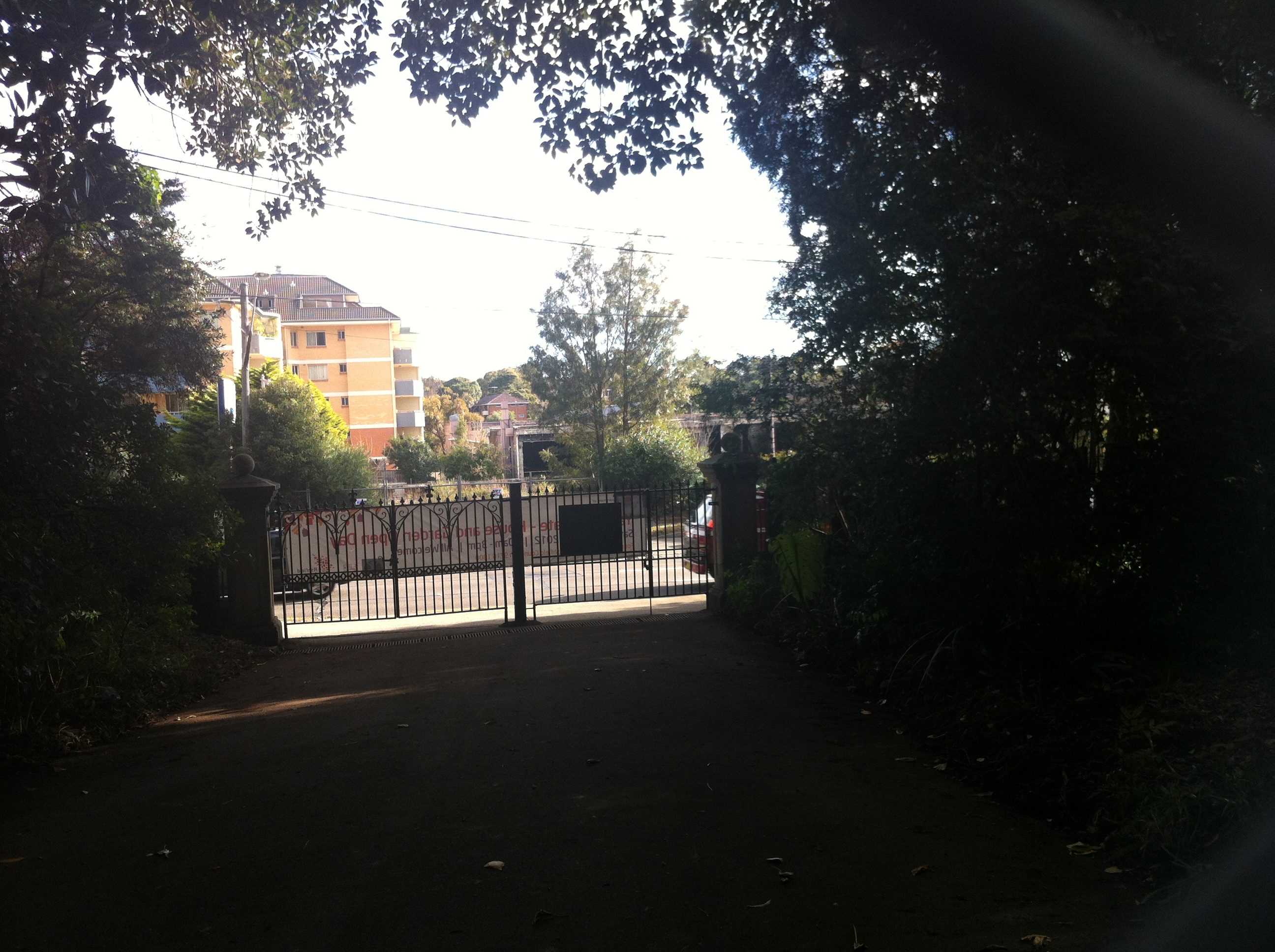
The view from the inside. There have only been a handful of open days held here since the early 90s, and this year’s was the first since 2007, so this isn’t a view many people get. It’s…great.
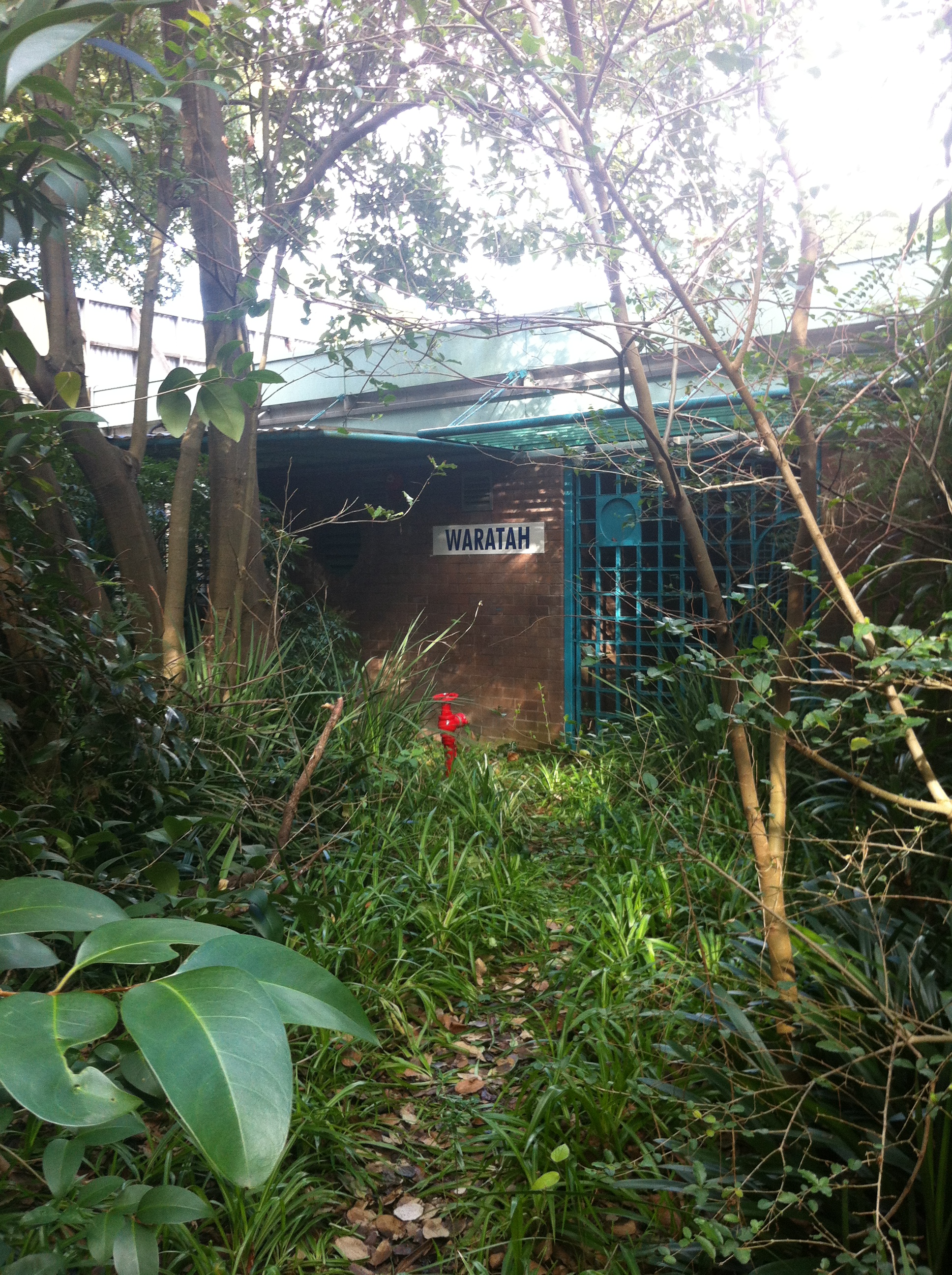
Through the thick foliage you can see the various detention and training facilities located around the grounds.

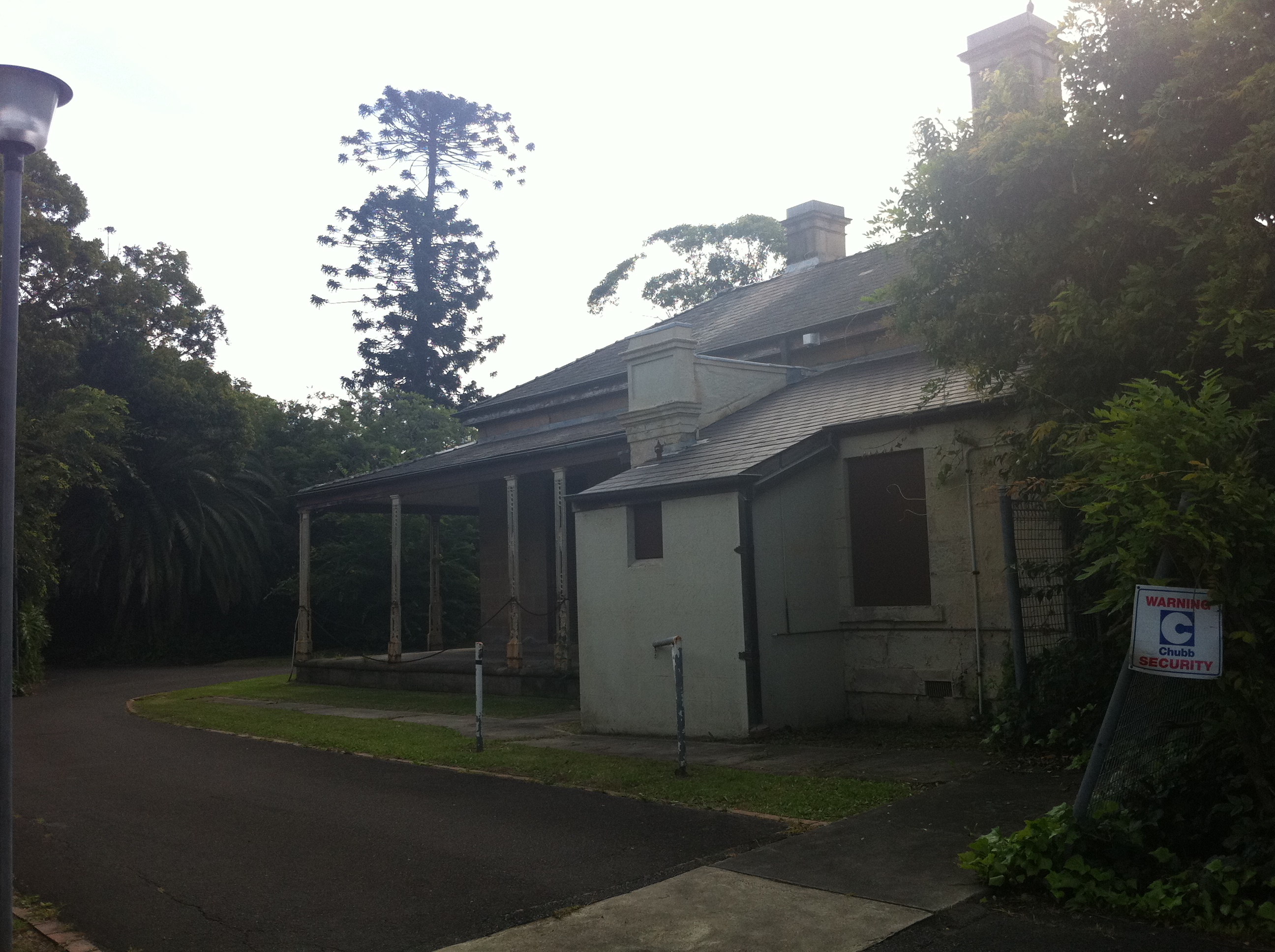
A better view of the house itself. It’s not all that impressive on the outside. I was expecting something grander. Inside, however…

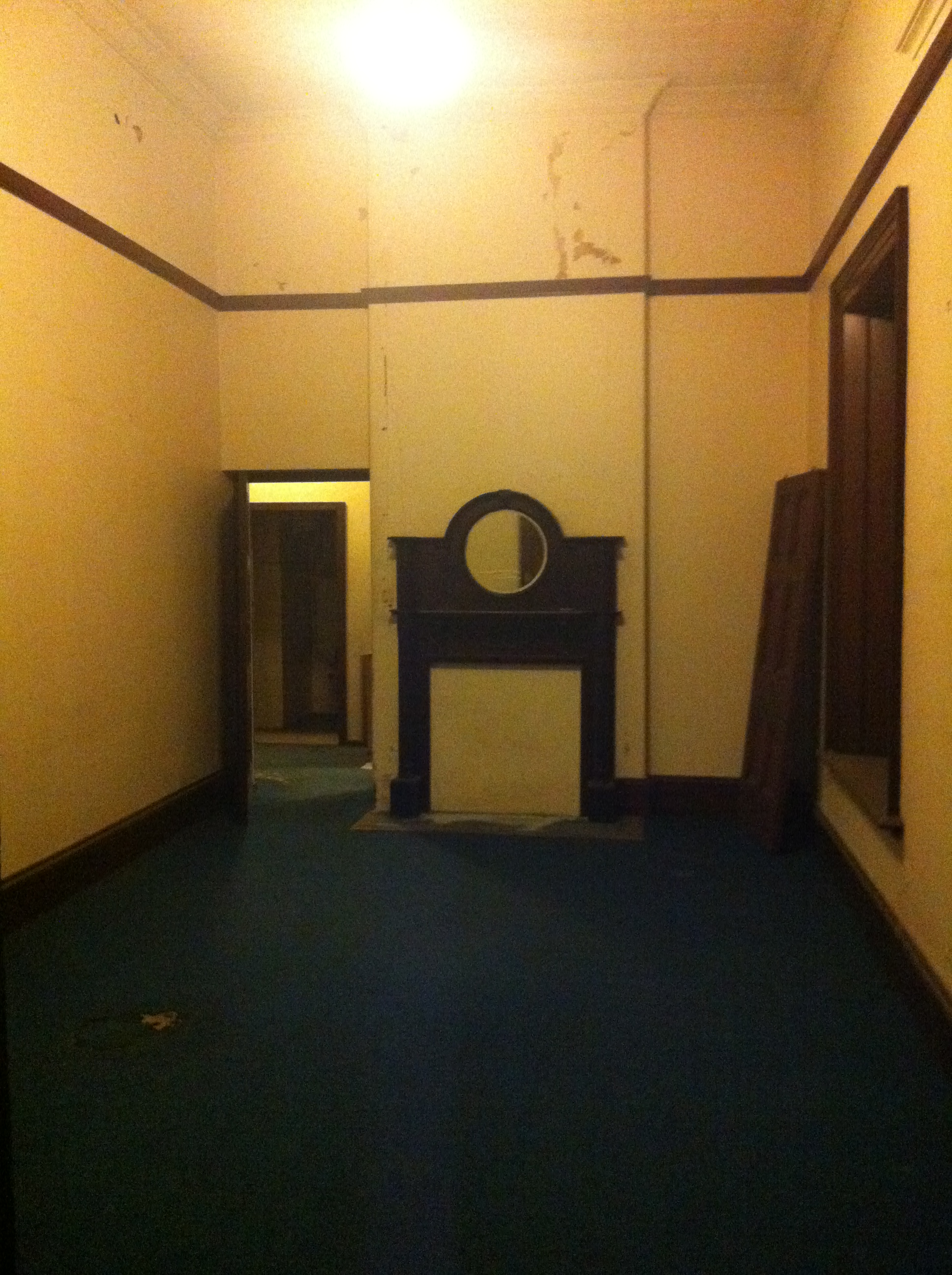


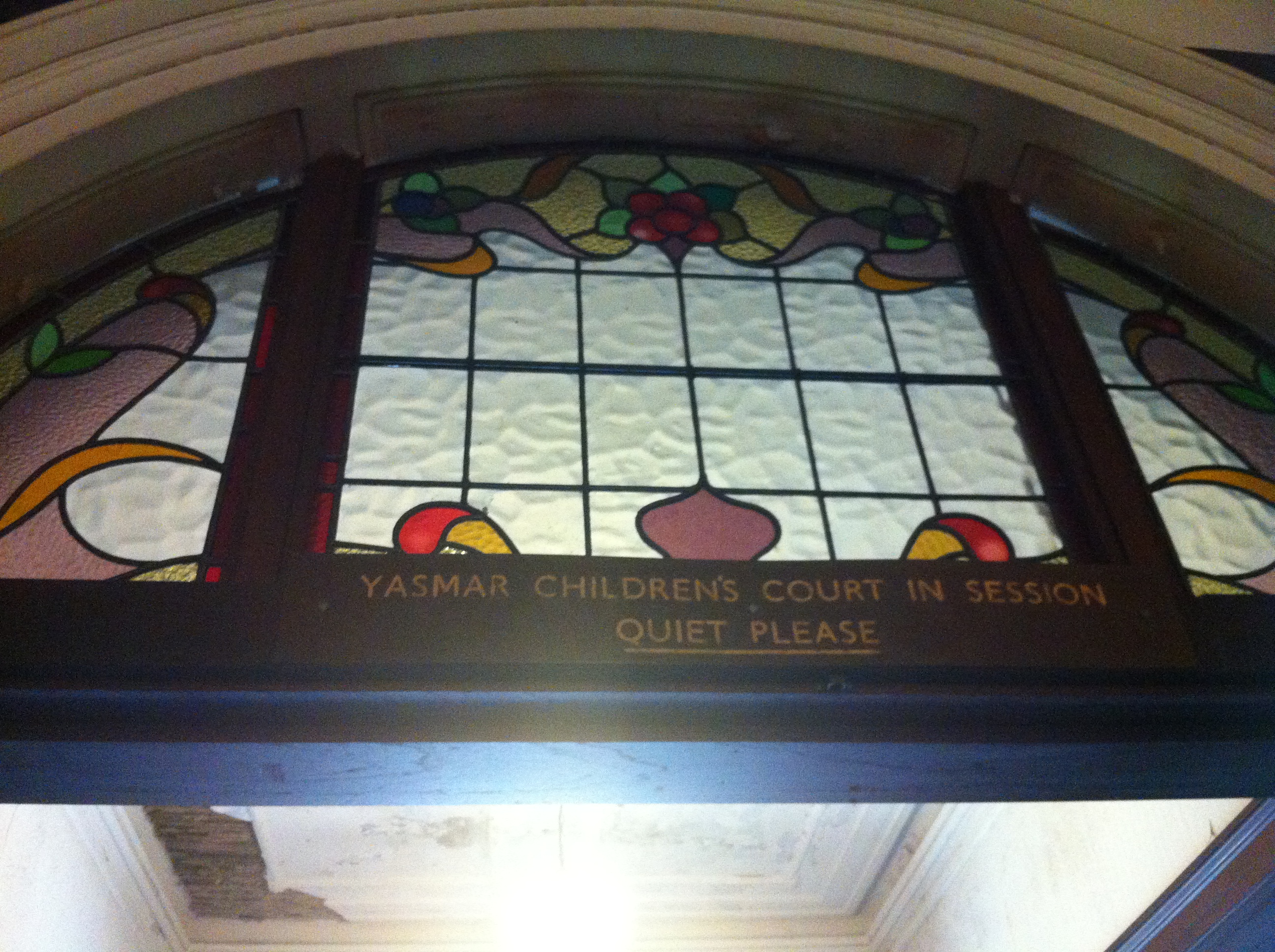
…it’s still just an old house. No, it’s actually fascinating in its own ancient way, and the weight of history here is pretty hefty. Many of those visiting for the open day were former inmates. One hadn’t lost his rebellious nature at all over the years, ducking under the ‘do not cross’ tape to venture deeper into the house before being shouted at by the supervisor. The system doesn’t work.

You wonder just how much they cared about child welfare back then.
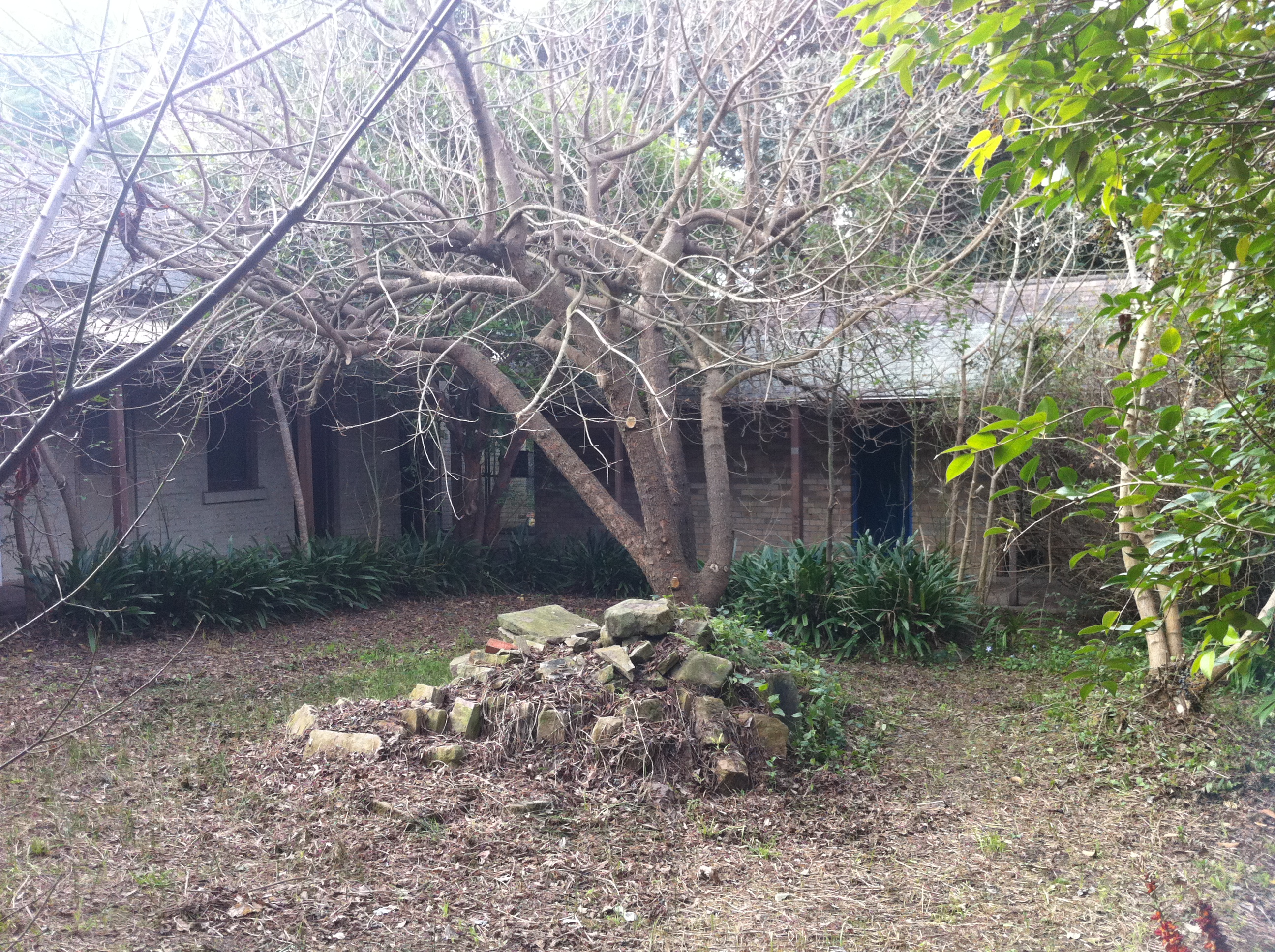
Out in the courtyard it’s pretty bleak. Though they did have one great feature I’m consistently a sucker for:
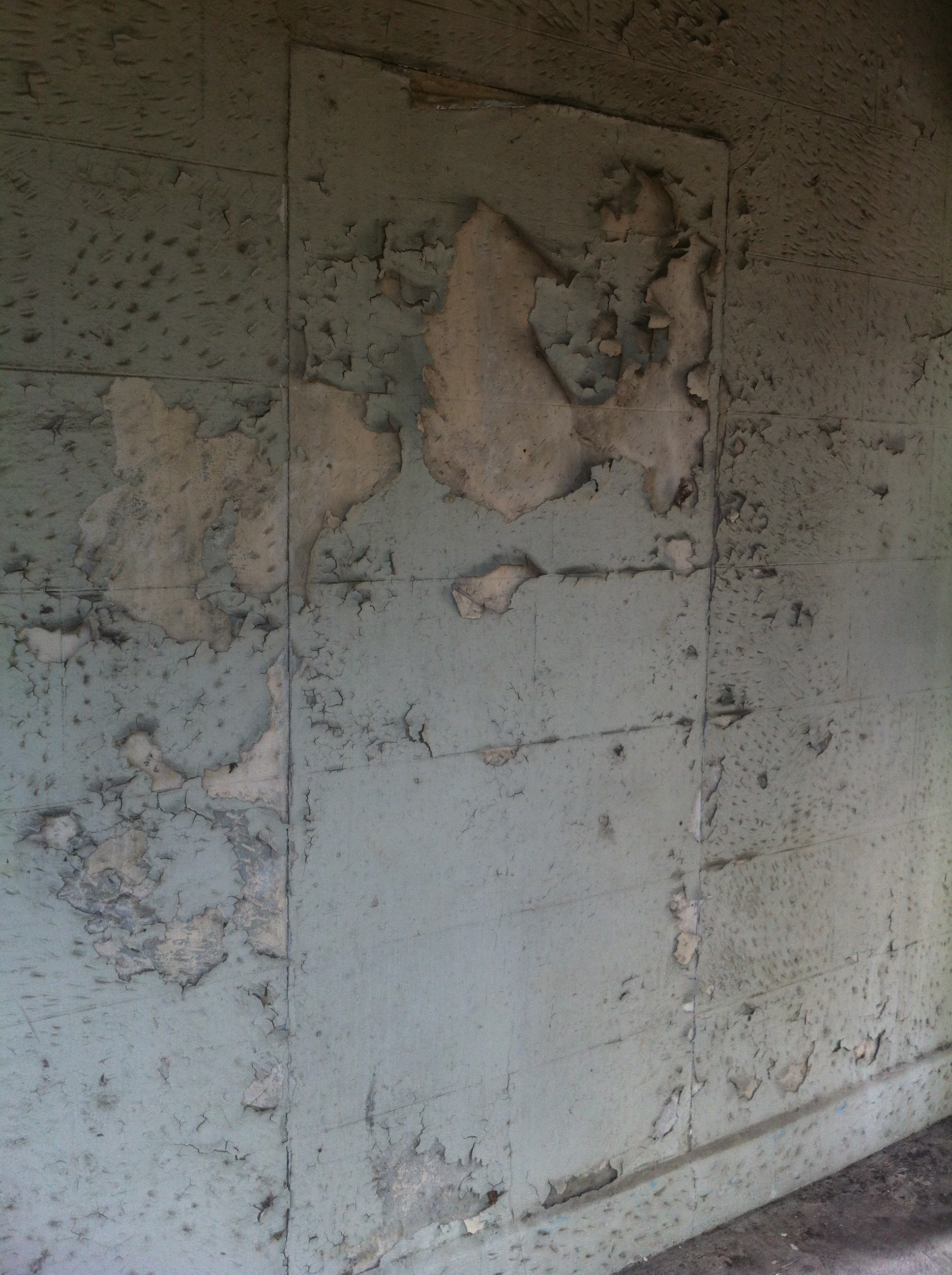
Yes, that’s right. The door to nowhere.
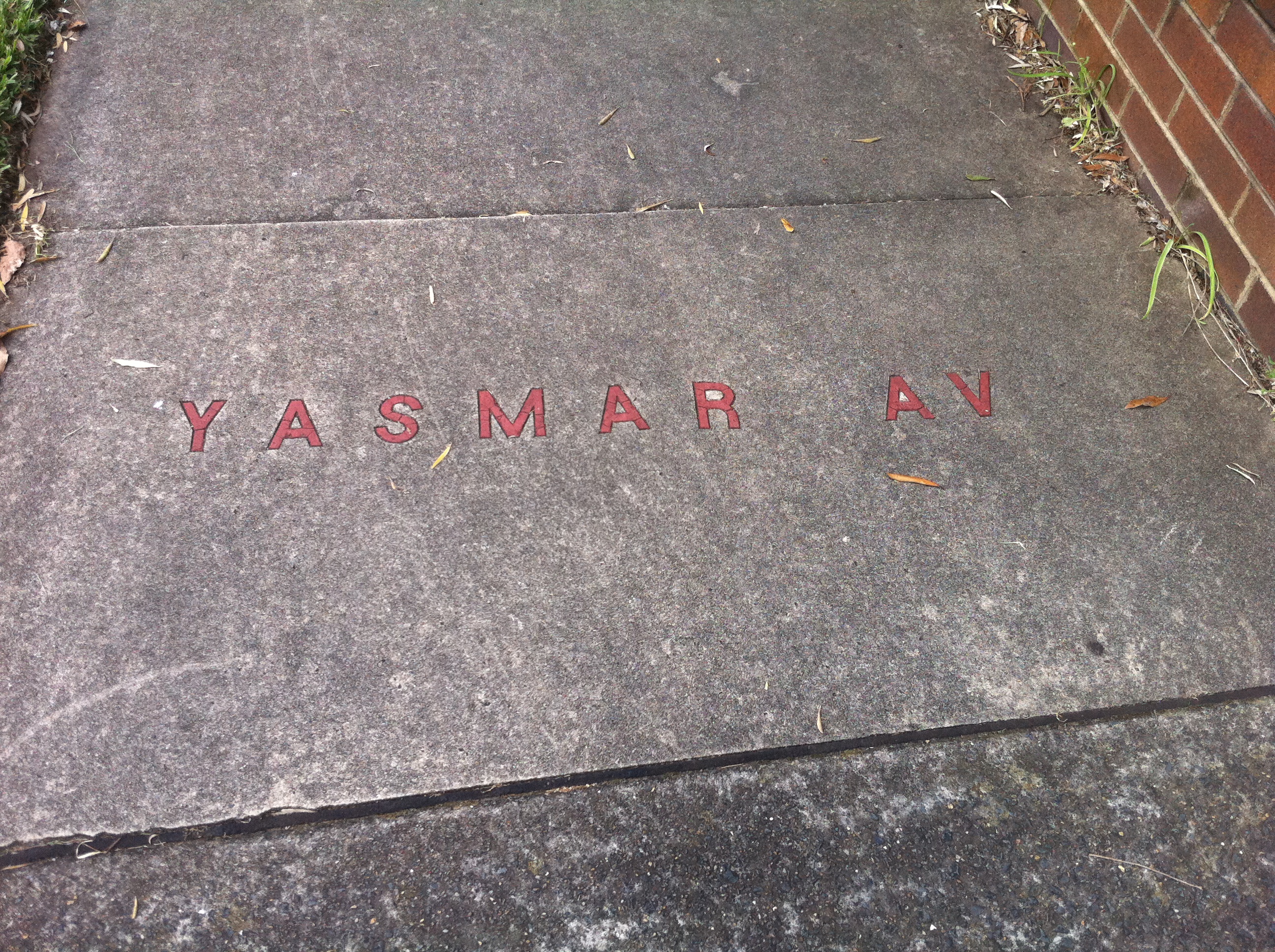
What’s also notable is the nearby Yasmar Avenue, further adding to the sense of entrenchment of the estate within the Ashfield area.
Although neglected and misunderstood like so many of its inmates, Yasmar, Sydney’s Mayerling, exists as a unique example of a 19th century estate virtually unchanged since its establishment. While governments and councils have fooled around for decades over Yasmar’s fate, the estate itself has become an integral part of the Parramatta Road experience. In its current state, it is to Parramatta Road what that ancient expired carton of milk is to your fridge – an indicator of just how bad a housekeeper you are.
For more on the illustrious history of Yasmar, check out Sue Jackson-Stepowski’s excellent write-up here.
Strathfield Burwood Evening College/Junk Shop – Homebush, NSW

Another relic sitting along Parramatta Road (where would I be without it), this…I don’t really know what this is.

The building itself doesn’t help, with all its allusions to great deals and hard to obtain articles. The place is full of strange old junk…

It might have sold office supplies once, before the owner went mad and decided to hoard everything instead of selling it. Some people collect vinyl records, others collect filing cabinets. At one stage, the building also appears to have housed the Strathfield Burwood Evening College:
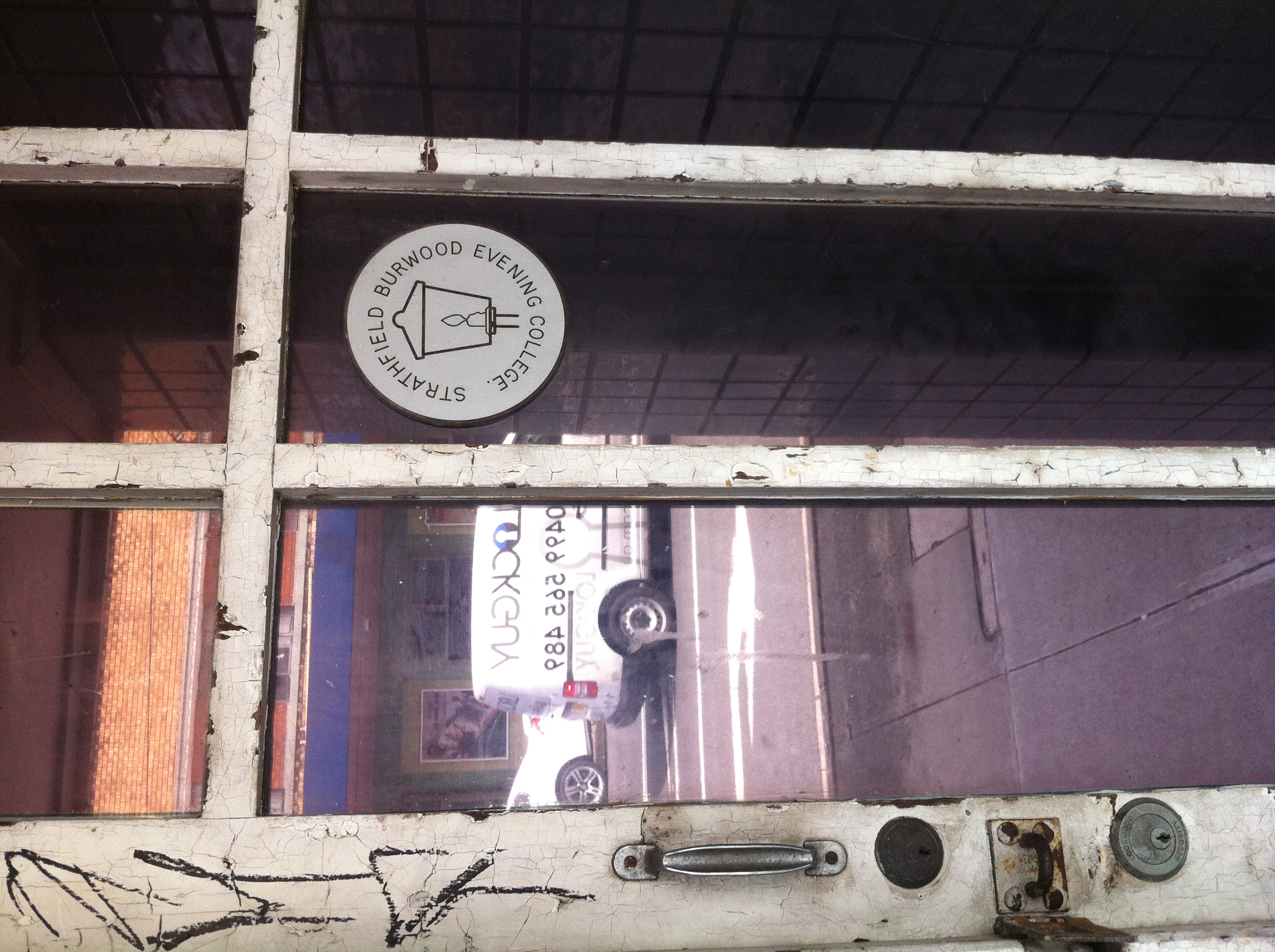
Not…entirely sure what you could learn in a place like this, but I bet they had a damn good filing system. Still, a closer inspection of the windows proves they weren’t kidding about those hard to obtain articles:

That’s wisdom.
BARREN UPDATE: According to reader Claire, this place – that was absolutely stuffed with goods – was suddenly mysteriously empty when she passed it a few months back. This I had to see.
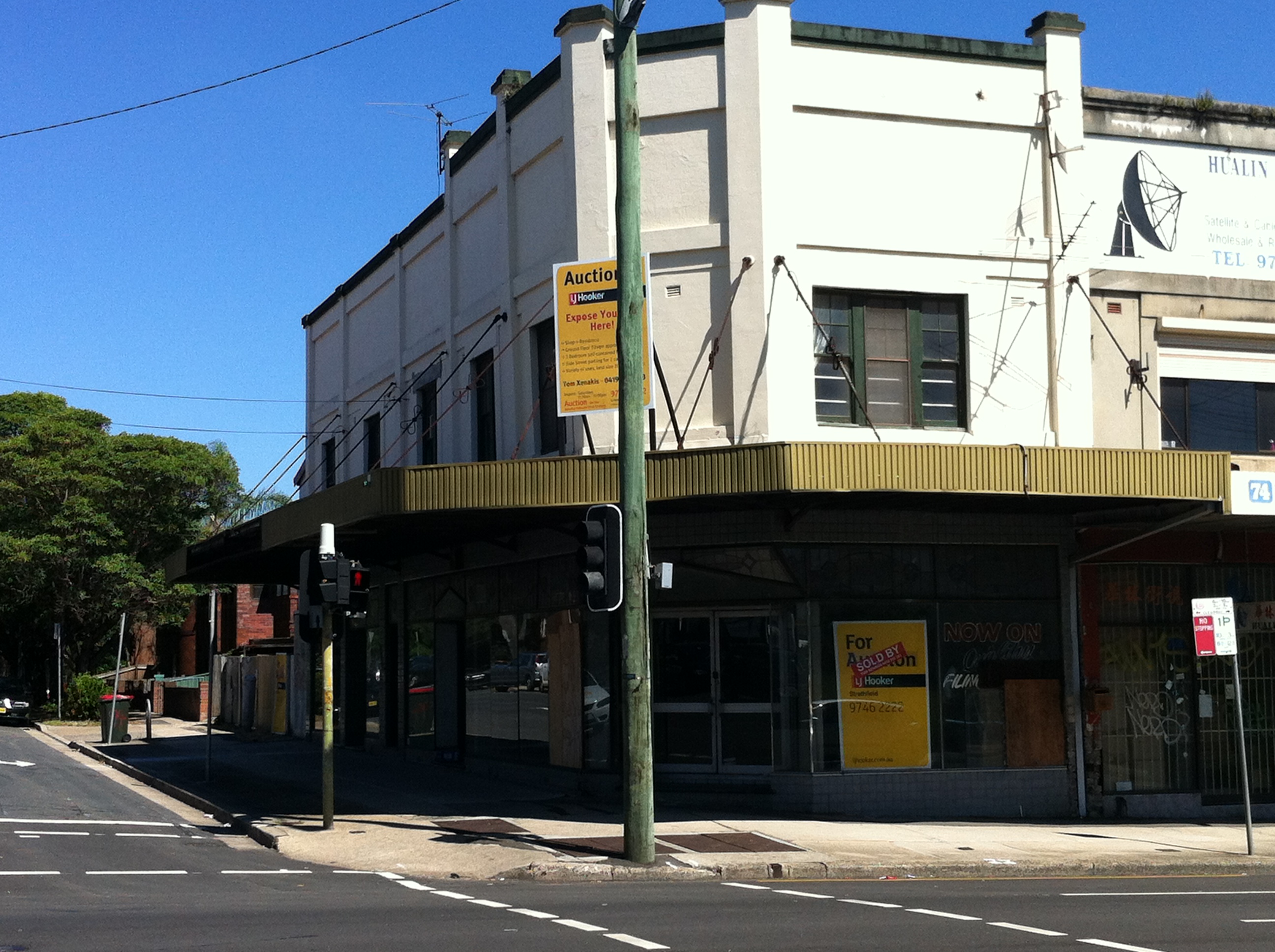
Not only was it for auction, but it sold, unlike 100% of the merch that once filled the room. But what of that merch? Let’s zoom in.

The boasts of discount prices and the eye-catching stained glass windows were still there, and surely added to the value of the property at auction.
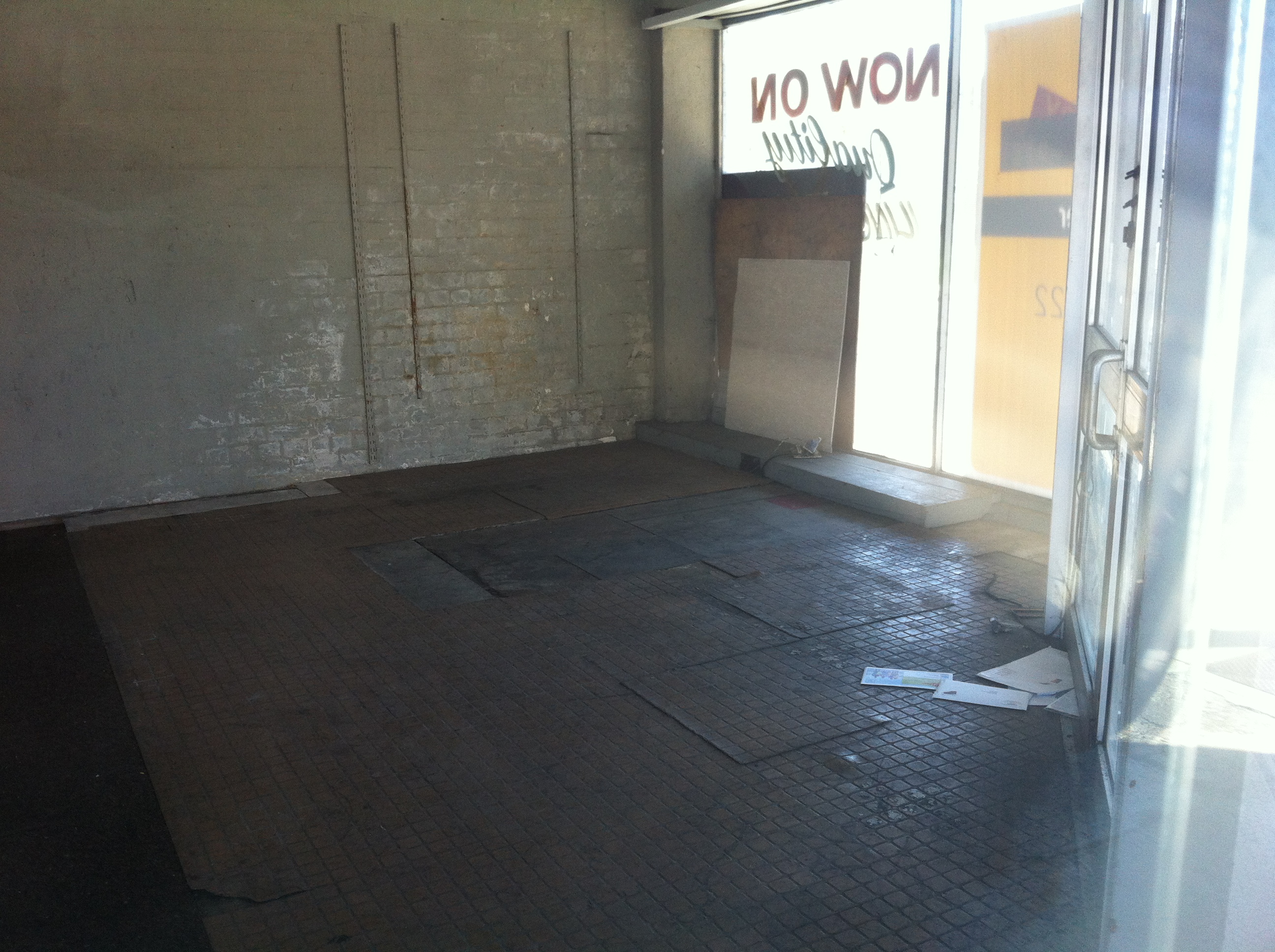 Now those articles really are hard to obtain. Thanks, Claire!
For more on the history of this peculiar building, including a picture from when it was still Homebush Newsagency, check out Strathfield Heritage.
Homebush Racecourse/Horse & Jockey Hotel – Homebush, NSW
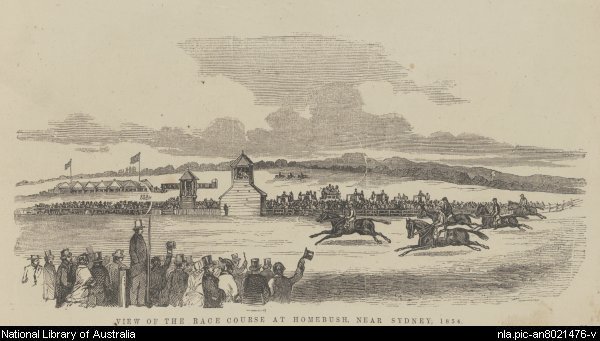
Homebush Racecourse, 1854. Image by Walter G. Mason, courtesy National Library of Australia.
Operating between 1841 and 1859, Homebush Racecourse was Sydney’s premier horseracing venue. It was located on the Wentworth Estate in the Homebush area, and stood in the approximate area encompassing the corner of today’s Underwood and Parramatta Roads. When Randwick Racecourse opened in 1859, it superseded Homebush’s track, causing the latter to fall into a period of dereliction, although it still operated as a track until 1880. A man’s body was found on the course in 1860, the grandstand spectacularly burned down in 1869, and throughout the 1870s it was used for human running races. When the Homebush Abattoir was established in 1915, the site of the racecourse was employed as the slaughterhouse saleyards.
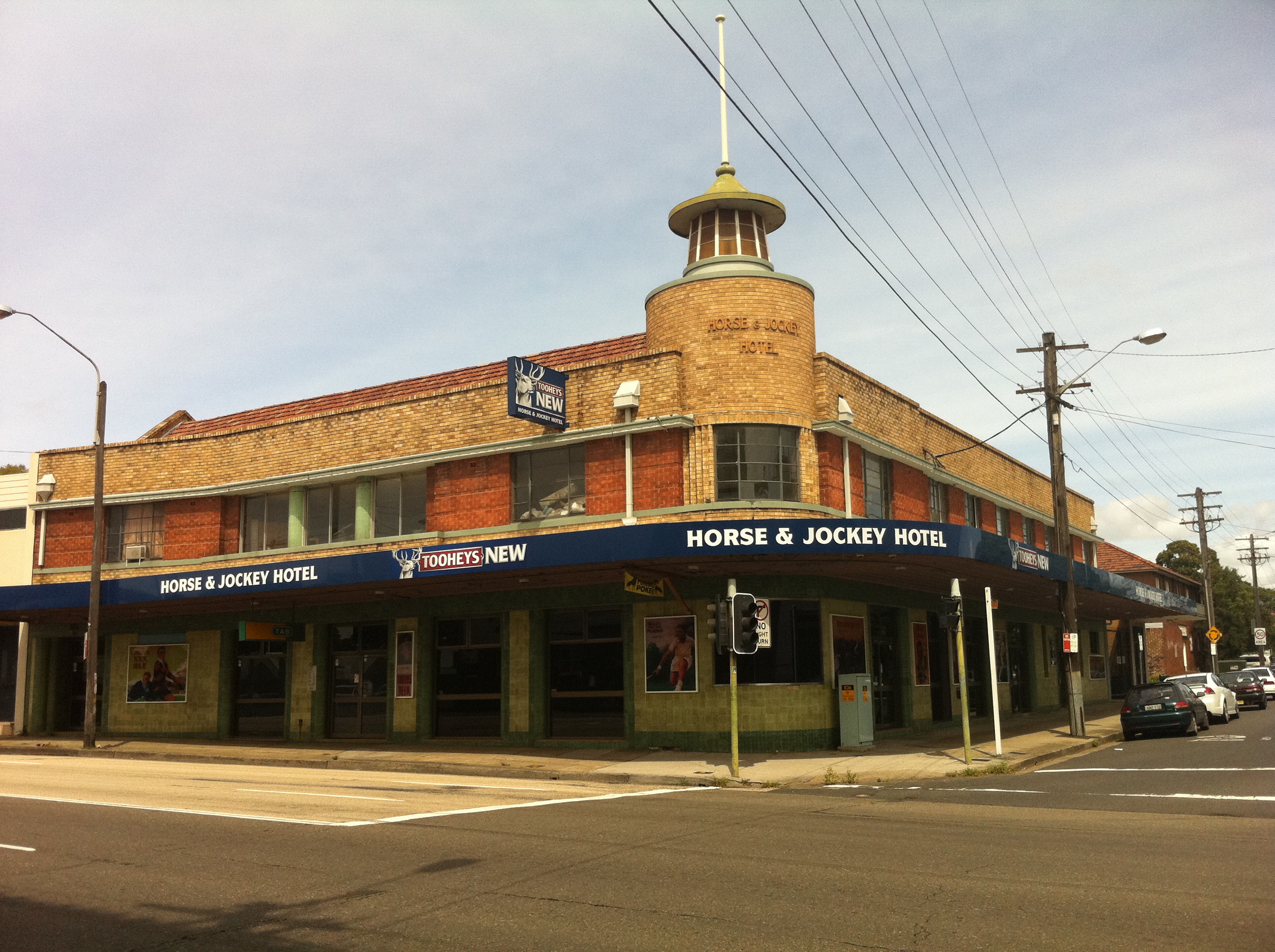
The only evidence that horseracing ever took place in the area is this pub, located along Parramatta Road, east of Underwood Road. The Horse & Jockey Hotel itself has a colourful history – it was originally the Half Way Hotel, named for its location halfway between the city and Parramatta. The site of the death of Australia’s first bushranger, and once patronised by Governor Lachlan Macquarie, the original hotel changed its name for the establishment of the racecourse (which it overlooked), and was the site of the inquest into the 1869 grandstand fire. Rebuilt beside its original site in 1876, the pub itself burned down in the early 1920s. It was rebuilt again in its present form soon after and remains as the only reminder of Homebush’s racing days.
NSW State Abattoirs/Sydney Olympic Park – Homebush, NSW
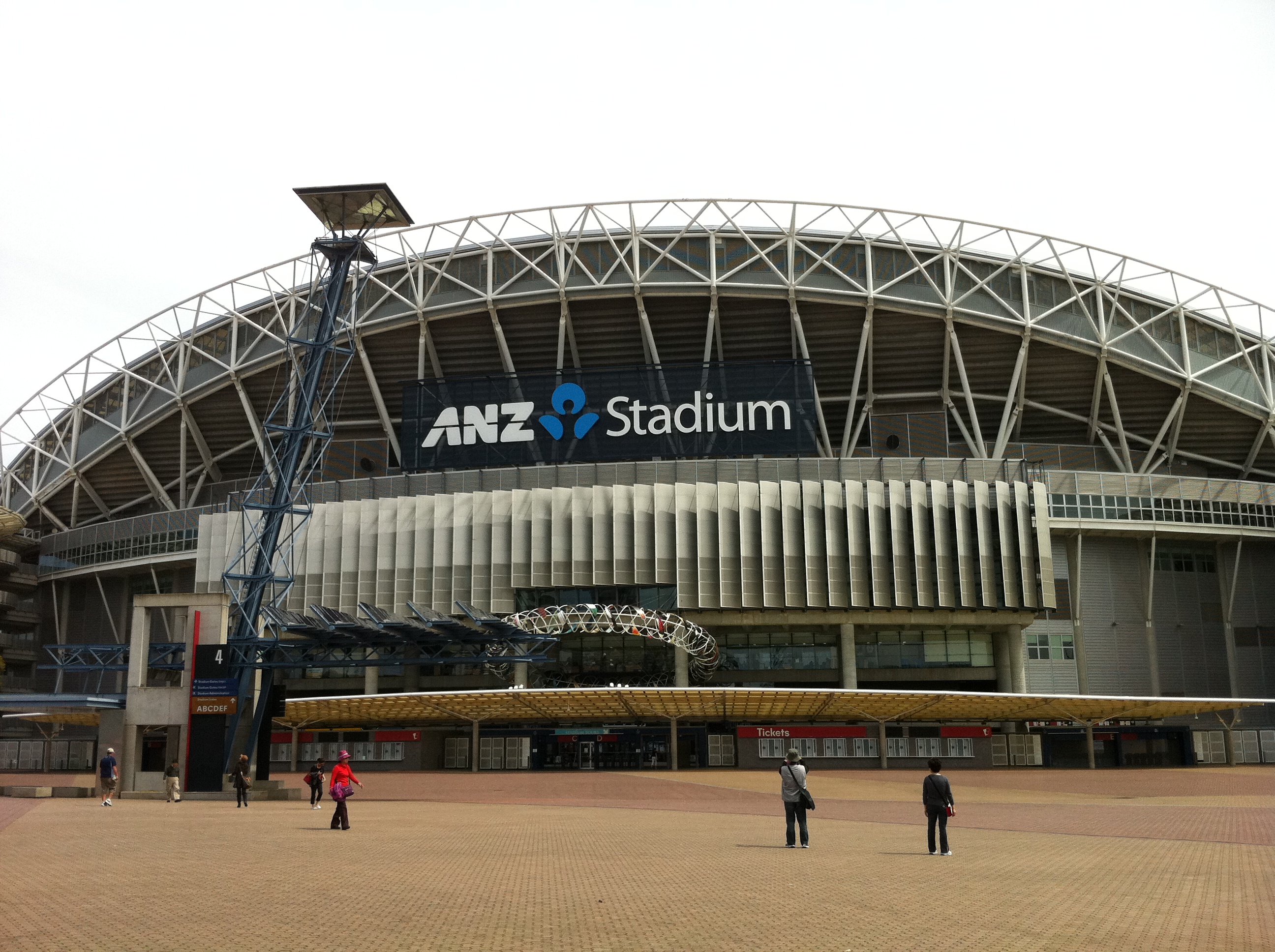
In September 1993, then-NSW Premier John Fahey famously jumped for joy as Juan Antonio Samaranch announced that Sydney would host the 2000 Olympic Games. Somewhere in the back of his mind, he must have been feeling mighty grateful for 660 hectares of land which for the previous five years had been a burden on the state.
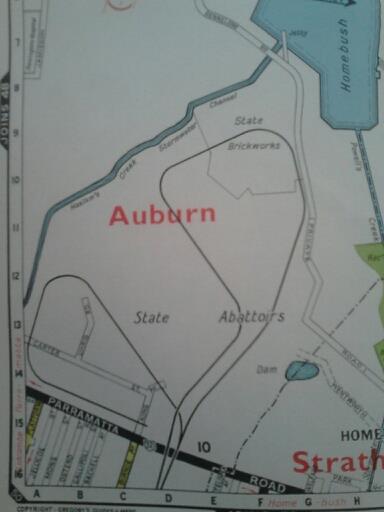
Saturday night grand prix circuit, 1966. Thanks, reader Kenny Goodman!
By 1988, Homebush Bay had long been associated with industry – the State Brickworks, the state abattoir and an armaments depot had all been located on the land since 1915. To the north, at Rhodes, chemical companies and paint factories had spilled toxic waste into the bay for just as long, turning the area into a dead zone not that far off from neighbouring Rookwood Necropolis.
The state’s abattoir had been originally located at Glebe Island, and had by 1902 been deemed too toxic for its proximity to the city. In 1906, an act of parliament authorised the construction of a new State Abattoir at Homebush.
Homebush had been named for a farm, ‘Home Bush’, established in 1794 by free settler Thomas Laycock in the area, then known as Liberty Plains. The farm was later sold to D’Arcy Wentworth, NSW Government surgeon, in 1808. Wentworth acquired even more surrounding land, and set up a private racetrack beside Parramatta Road. In 1841 the track was expanded and made public, and served as Sydney’s centre for horseracing until the opening of Randwick Racecourse in 1860.
The Wentworth Estate had fallen into disuse by 1906. A plan to subdivide and sell off parcels of the land had failed, the esteemed Home Bush House had become derelict, and the racetrack was long since abandoned. The choice of Homebush for the abattoir’s site made sense, as Thomas Playfair had established saleyards at Homebush in 1882, and the area was serviced by an efficient goods rail line.
The abattoir complex opened in April 1915, yet stock was not processed at the site for another year due to poor planning and bungled construction. These mistakes meant that the site was undergoing maintenance and upgrades for the remainder of its time as an abattoir. Tanneries, cold storage facilities and butchers sprung up around the Homebush area. Many remain.
In the 1940s, the State decided to decentralise slaughterhouses, and many country abattoirs were set up in the wake of the decision. Despite this, the Homebush facilities were upgraded in 1965 to handle meat export demands. In 1979, the facilities were again assessed, and found to be at the end of their economic life. In 1984, surplus land on the site was marked for use as an Advanced Technology Park (now known as the Australia Centre). The economic viability of the abattoir continued to decline until its closure in 1988, coinciding with bicentennial celebrations and a statewide spirit of reclamation and renewal.
Sydney’s bid for the 2000 games began in 1991 under then-NSW Premier Nick Greiner. The abattoir site, wholly owned by the NSW Government, was earmarked as a possible site for an Olympic park. The Moore Park showground facility was insufficient for the scale of the Olympic Games, and was by that point proving barely adequate for just the city’s showground needs.
When the Games were awarded to Sydney in 1993, full-scale redevelopment of the Homebush Bay area began, including efforts to rehabilitate and rejuvenate land poisoned by years of industrial abuse. Industrial ruins and empty roads suddenly found themselves once again at the centre of attention. Said filmmaker Susan Murphy in her 1999 article ‘Under Rookwood’ in the Journal of Australian Studies:
“Homebush Bay was several kinds of Vanishing Kingdoms in one: there was the Private Road that extended Underwood Road in a series of right-angle bends all the way around the mangrove swamps, to terminate in a series of decaying wharves. The roadway was known to petrolheads as `Brickie’, after the Sydney Brickworks site it wound past, and was used for Saturday night races, wheelies, lovers’ Lane. By daylight, it was a favourite place for driving lessons, nervous kangaroo-hopping cars executing three-point turns at the final dead-end.
Now it’s changed. Toxic soils are capped and the Olympic complex of stadia, showground halls, athlete villages is rising, shining, audacious, with Philip Cox parabolas and monumental walkways and rolled-in plantings. Surrounding this are two un-park-like `parks’ — Bicentennial Park with its federationesque follies scattered throughout the mangrove and banksia, and an industrial park, equally full of manicured grass that nobody uses.”
Susan is correct. Bicentennial Park, created in 1988, was previously a rubbish tip. It feels like the whole Homebush/Flemington area has been cursed to repeat history over and over. Before it was chosen by Laycock, it was known as ‘The Flats’, dry land sitting beside Parramatta River. Then, when it was chosen for the site of Wentworth’s estate, Laycock’s own mansion had been sitting derelict. When the time came for the NSW Government to buy Wentworth’s unwanted estate, it had long since fallen by the wayside – a decaying relic of another era sitting in the gutter of Parramatta Road. The abattoir was doomed from the start by poor planning, ensuring its place in the legacy of disuse experienced by the area. Even now, the Olympic Park has a strange feeling about it. Walking around, you get the sense there should be more people there, that there’s something just a bit off.
The bay itself was infused with blood and offal from the abattoirs, silt from the brickworks and all manner of poisons and Smylex from the chemical plants at Rhodes. Depending on how you look at it, it’s either a triumph or a deep tragedy that this remediation work still continues today, particularly at Rhodes. Fishing and swimming is still prohibited in the Bay, and there’s still a heavy chemical odour. The extent of the damage to the sealife is so severe that even as far away as Sydney Harbour, commercial fishing restrictions are in place and the NSW Government recommends that no fish caught west of the Sydney Harbour Bridge should be eaten.
The Olympic site was completed on time and of course played host to the ‘best Olympics ever’, but the site’s bloody past wasn’t forgotten. The Abattoir Administration Precinct still sits amongst the neo-CBD that is the Olympic Park, and it’s quite a jarring site. Nearby are a series of bittersweet memorials to the millions of animals that were slaughtered during the abattoir’s history – former feeding troughs converted into artistic coffins, animal footprints set in cement. The abattoir’s private train station, disembarking point for those animals after being shuttled in from the country to their death, was converted rather morbidly into the Olympic Park station, disembarking point for millions of revelers hoping to witness Olympic glory, unaware of the site’s former glory.
Even before the Olympics, the site had been used as Sydney’s new home of the Sydney Royal Easter Show since 1998, replacing the ageing Moore Park site. It is ghoulish to imagine the cute, cuddly animals of the Easter Show being patted and fed by happy families on the site of so much slaughter. Other events held at the site, such as the V8 Supercars, do little to distract you from the park’s purpose as an Olympic vessel, and it’s not hard to imagine that before long, the nemesis of neglect will return to the site.
The Park’s information centre, once the abattoir’s gatehouse, has no information about the site’s history to speak of. The cheerful man behind the counter was happy to inform me that ‘there is nothing at all in here about the abattoir. There is nothing about the abattoir in this Park apart from these buildings. We have no photos or records here, we have nothing. There is no possible way I can help you, but you might want to try online.’ Thanks, I’ll do that.
The reason you’ve been assaulted with this wall of text straight up is because I feel that the images of the Abattoir Administration Precinct should stand alone, in silence. The presence of the buildings in the heart of the Olympic Park is jarring, unnatural, and forces the weight of that sour history upon you. I thought I’d do the same for you. There are some sites around Sydney, like Luna Park or the George Street entertainment strip, that are just unpleasant to be in. I’m sorry to say this is one of them.
Update: I revisit the Olympic Park site one year later and make some interesting discoveries!
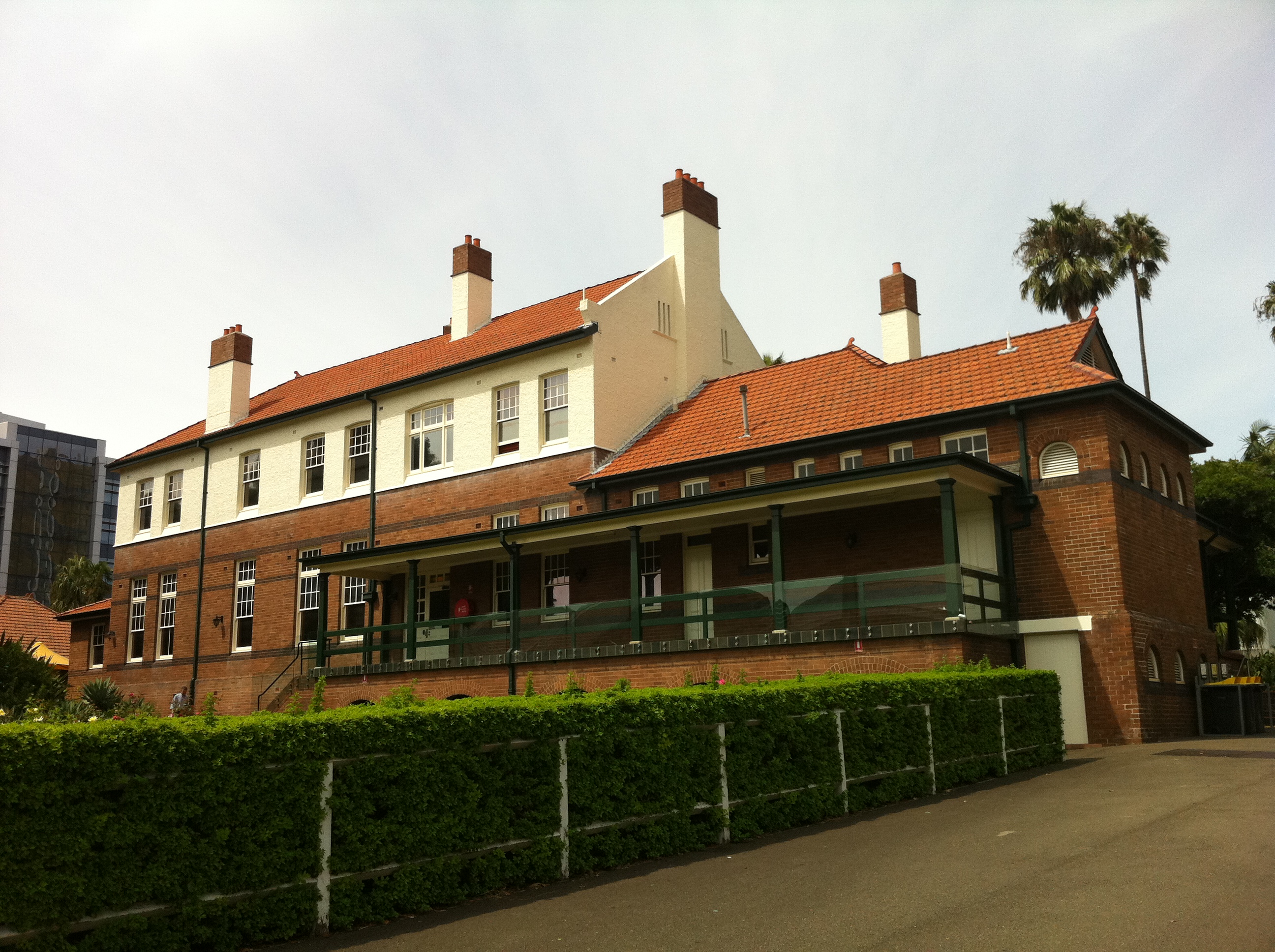






Homebush Cinema/Niterider Theatre Restaurant/Midnight Star Reception Centre/Derelict – Homebush, NSW

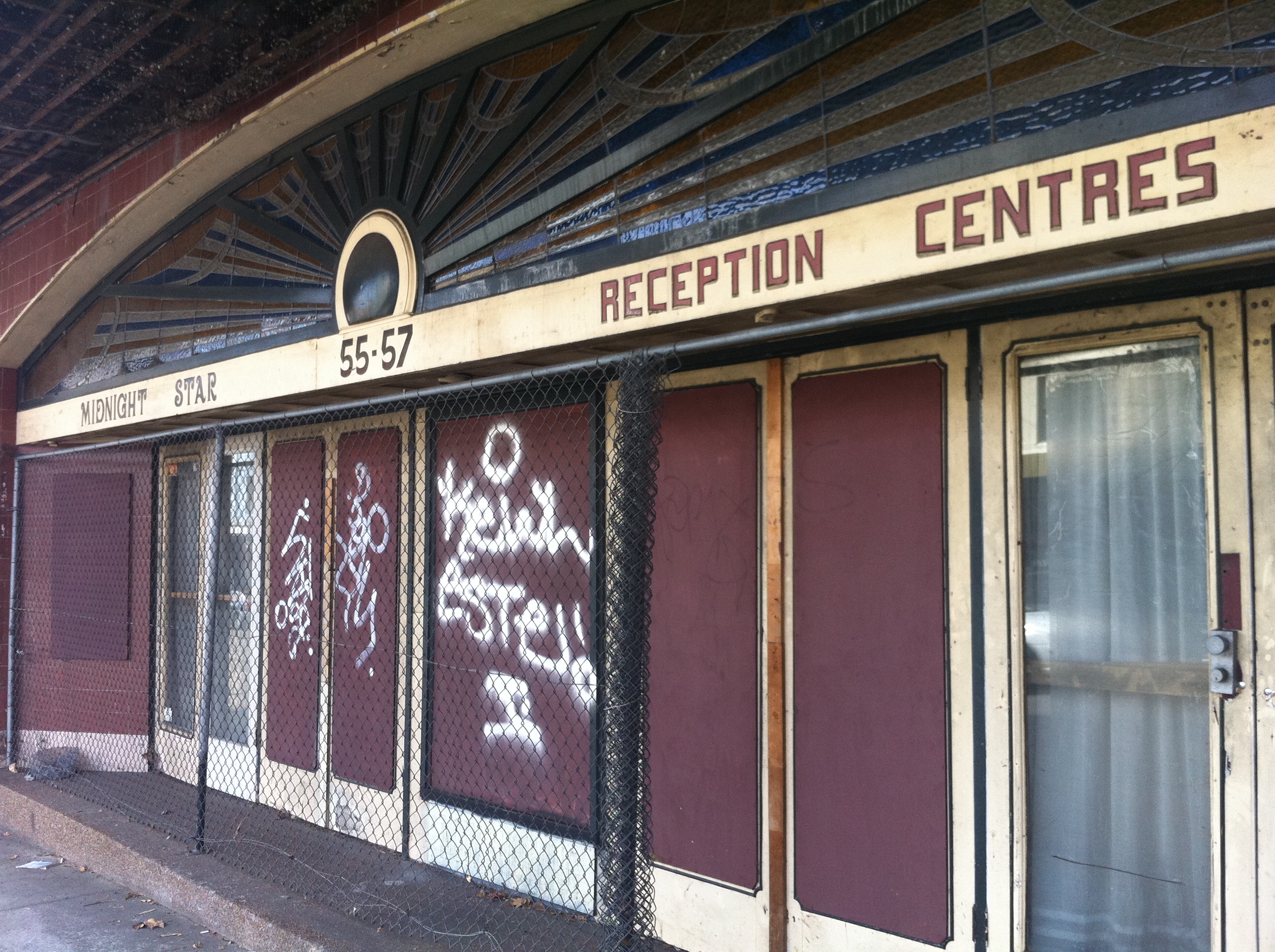
This site, on Parramatta Road at Homebush, is notable for several reasons, but today we’ll be looking at this structure – the Midnight Star Reception Centre. The history is long and colourful: it was built as the Homebush Cinema in 1925, and the initials HT are still prominent above the awning.

In 1930, the Homebush Cinema Ltd. company was liquidated, and the building was bought by Western Suburbs Cinemas Ltd., a company that also managed cinemas at Burwood, Parramatta, Granville, Auburn and Strathfield. In 1939 the theatre was extensively refitted and relaunched as the Vogue Cinema. Acquisition by Hoyts in 1944 saw it renamed again as the Hoyts Vogue.
The building ceased operating as a cinema in 1959, and subsequently became an ice rink. In 1986 it was refitted again, and turned into the Niterider Theatre Restaurant.

Perhaps realising that the concept of theatre restaurant was in 1986 already past its use-by date, it was converted (badly) into the Midnight Star Reception Centre. Looking at the building now, you’d be hard pressed to decide whether it wanted to be the Niterider or the Midnight Star, such was the amount of signage left up. The refitters must have been the mob Pizza Hut used, given how sloppily it was done. The Midnight Star operated until 1996(!). This is where things really get interesting…

The building sat derelict for many years, not an unusual sight along Parramatta Road. It’s sad to say that Sydney’s most important arterial road is peppered with derelict buildings like this. Karma works in mysterious ways, however, as in 2002 the Midnight Star got another lease on life…just without a lease.
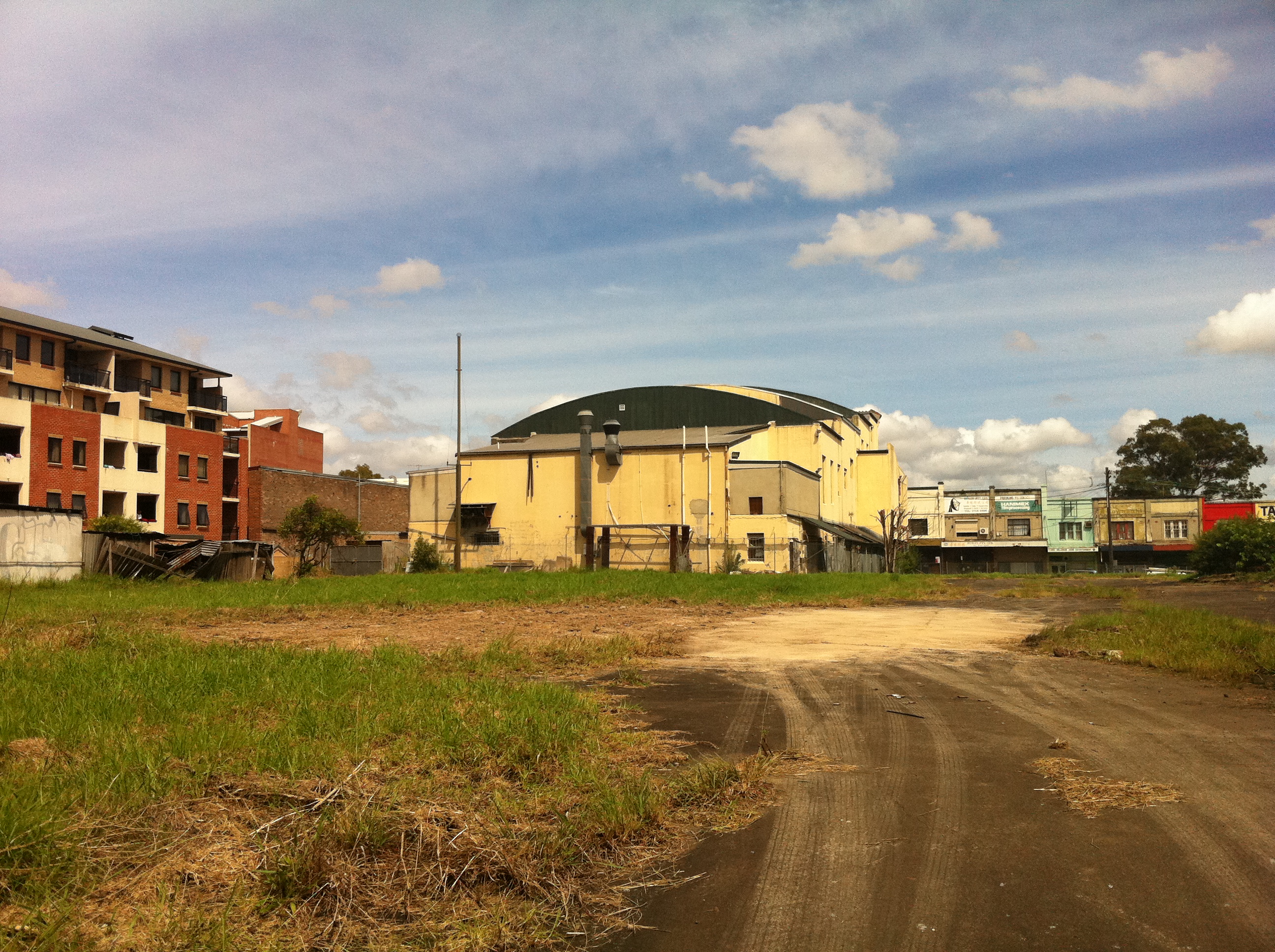
In February of that year, squatters occupied the vacant building and renamed it the Midnight Star Social Centre. For eight months, and apparently with the begrudging consent of both the owner and the police, it was used as a hub for raves, gigs, pirate cinema screenings, an internet workspace and various activist meetings. The media eventually identified the Midnight Star as a “nerve centre” for anarchists and violent and politically motivated dissent, especially in the context of a WTO meeting held in Sydney that year. The police evicted the occupants in December 2002, and the building has remained derelict ever since. It’s heritage listed on Strathfield Council’s local environment plan, but it’s yet another example of a dead cinema in Sydney no one wants to use.
DEVELOPMENTAL UPDATE: This week’s Inner West Courier reports that the Niterider Theatre has been chosen to undergo a radical restoration and redevelopment.

Inner West Courier, Tue 15 May 2012
Given how Parramatta Road is a total carpark twice a day already during peak hour, the idea of adding 460 apartments (‘I live in Unit 458’) worth of people to the mix is stupid. I think this should be taken as a sign that the M4 will never be completed. What’s also stupid is how this would look. Two towers sticking up from behind the ancient facade of the Homebush Theatre? It’ll look like a young person wearing an ancient pair of shorts got buried upside down up to their waist.
ANNUAL UPDATE: One year on, and not much has changed.
INTERNAL UPDATE: Wonder what it looks like from the inside? Wonder no more!

 Past/Lives of the Near Future