Lowy and Saunders, the Butch and Sundance of retail. Image courtesy Westfield
Frank Lowy and John Saunders had arrived in Australia in the early 1950s, both Jewish immigrants who had been scarred by the horrors of fascism in Europe. Australia offered them opportunities, hope, a new start. In 1953, Saunders owned and operated a Blacktown delicatessen he’d bought after years of working as a packer, while Lowy was running a smallgoods delivery business. Saunders was impressed by Lowy’s punctuality and work ethic, and the two hit it off.
Ground Zero, 1953. Image courtesy Westfield
The pair went into business together, with Saunders shrewdly choosing to focus on the growing suburbs on Sydney, out west in particular, rather than the inner city. Soon their delicatessen was joined by a continental coffee lounge as the area’s efficient railway network delivered a steady influx of customers.
But Saunders had been keeping an eye on American developments in the small business arena. The newest trend there was a strip mall with a roof. In Australia, shops were strictly on the streets, never indoors. The duo saw an opportunity.
Failure on rails, 1986.Image courtesy Hurstville Council
1975. Hurstville’s legacy as the place to shop in St George was in tatters. Long gone were the suburb’s retail pillars Diments and Jolley’s, and dying a slow death was Barter’s. Coles Variety and Woolworths Arcade came off as second best, imitators rather than the innovators their predecessors had been. It was a sorry state of affairs, but at least they had plenty of parking.
Frisco Furniture’s days are numbered, although it doesn’t know it yet. 1976. Image courtesy Hurstville Council
There was also the ill-conceived Super Centre, which strangled the train line, but the Hurstville Council’s hope that it would become another shopping success had long gone. For the first time since its inception, Hurstville lacked an identity.
Starting with Hornsby in 1961, Westfield had opened shopping centres all over Sydney. Burwood opened in 1966, and Miranda Fair was swallowed up by the Westfield Group in 1969. Roselands had remained beyond their grasp, however, and the group was looking to fill the shopping void in the southwest.
Wishful thinking.
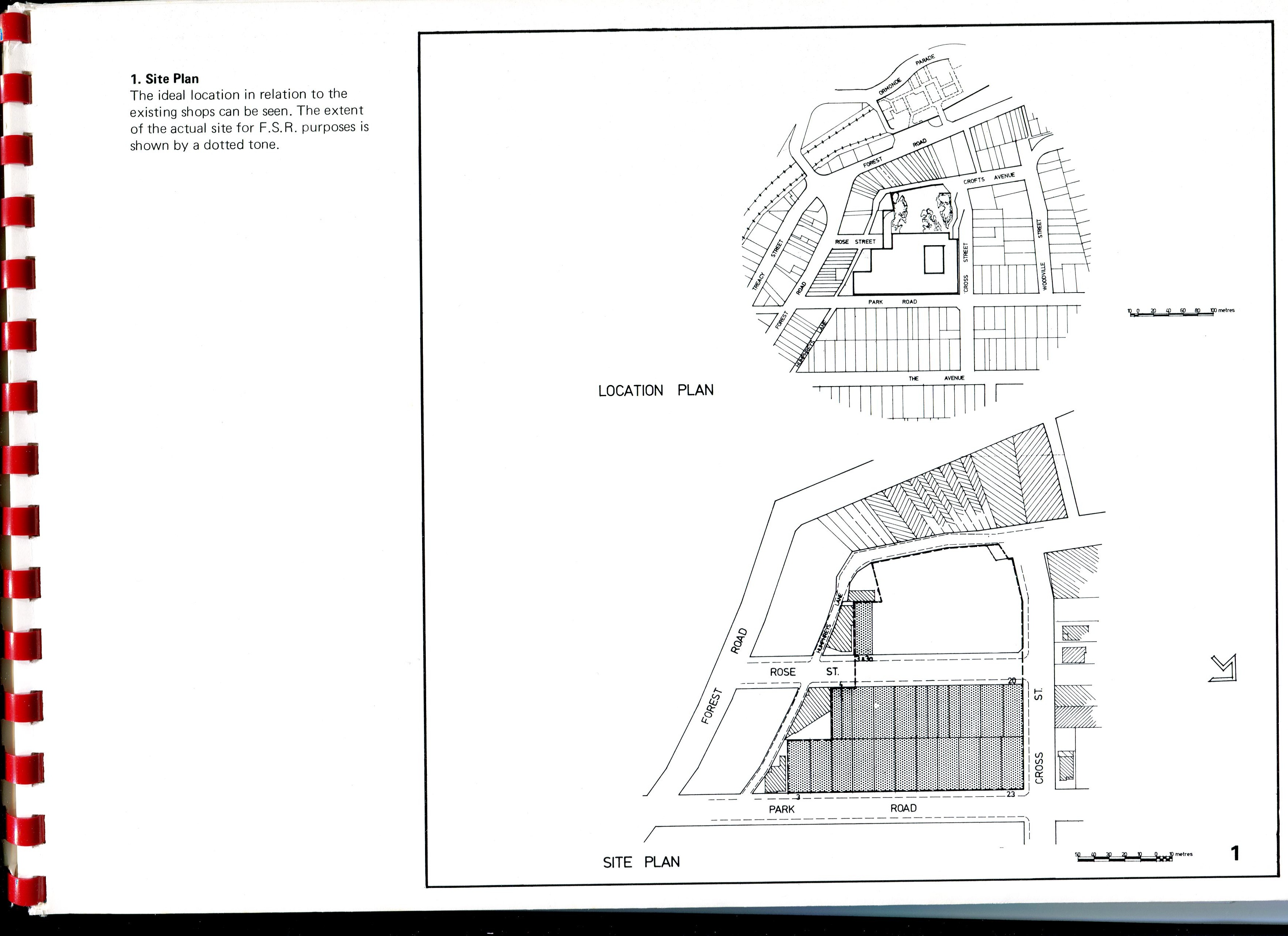
In November 1975, Westfield put forward a proposal to Hurstville Council: a shopping complex that would contain a department store, a large supermarket and various small shops, spread out over three floors. A town park, office space and extensive car parking only helped to sweeten the deal, with the park especially taking steps towards complying with Hurstville Council’s plan for the area. If you’re shocked to learn that Hurstville Council had a plan for the area at this point in time, join the club.
More wishful thinking.
“The Scheme” sounds very Bond Villain, doesn’t it?
Westfield’s choice of words were kind to say the least in its description of Hurstville’s current state. The new centre would ‘reinforce’ Hurstville’s ‘existing trading character’. Well, that’s one way of putting it.
Don’t wear sunglasses inside, you look like a tool.
Rose Street is an unfortunate victim of progress.
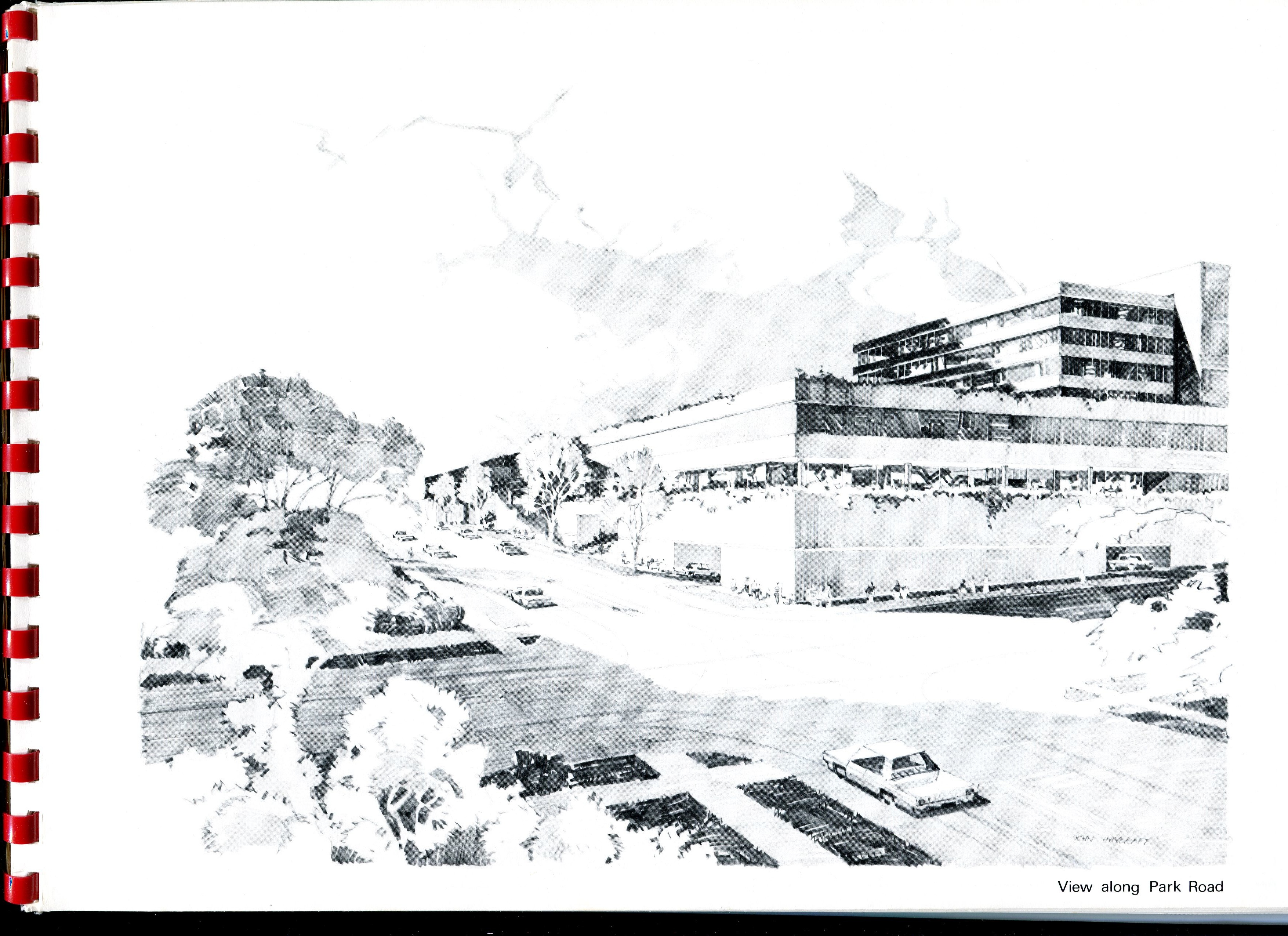
Considering it was to be placed between the current commercial area and residential housing, the centre’s design was very careful to adhere to Hurstville Council’s then-provisos that the visual bulk of the building be minimised.
What happened to the offices?
A unique aspect of the building’s layout was its system of ramps. It was possible to traverse the entire centre without ever encountering a set of stairs, presumably so one could take their time browsing and purchasing, or to make it harder to escape.
Yeah, right.
What’s particularly interesting about this initial plan is the town park. This breezy artist’s conception makes it look like a kind of leafy paradise, but it’s harder to imagine in practice. How long until all the trees would have names carved into them, until all the benches were covered in gum and graffiti? Would Westfield even go ahead with the park, which by their own veiled admission was a wheel greaser? More importantly, had the wheel been greased enough? Would Council submit to this corporate shaming at the cost of their pride? The Super Centre wound was still fresh, but if it scabbed over in time it could still be a viable shopping outlet…couldn’t it?
Of course, we know how this story ends.
SMH, June 24 1977
Cross St Car Park in happier times, 1976. Image courtesy Hurstville Council
In order for this beast to be constructed, something had to go, and since the new centre would provide parking unlimited for St Georgians, the then-new yet deeply unpopular council car park got the axe.
We hardly knew ye. Crofts Ave car park, 1976. Image courtesy Hurstville Council
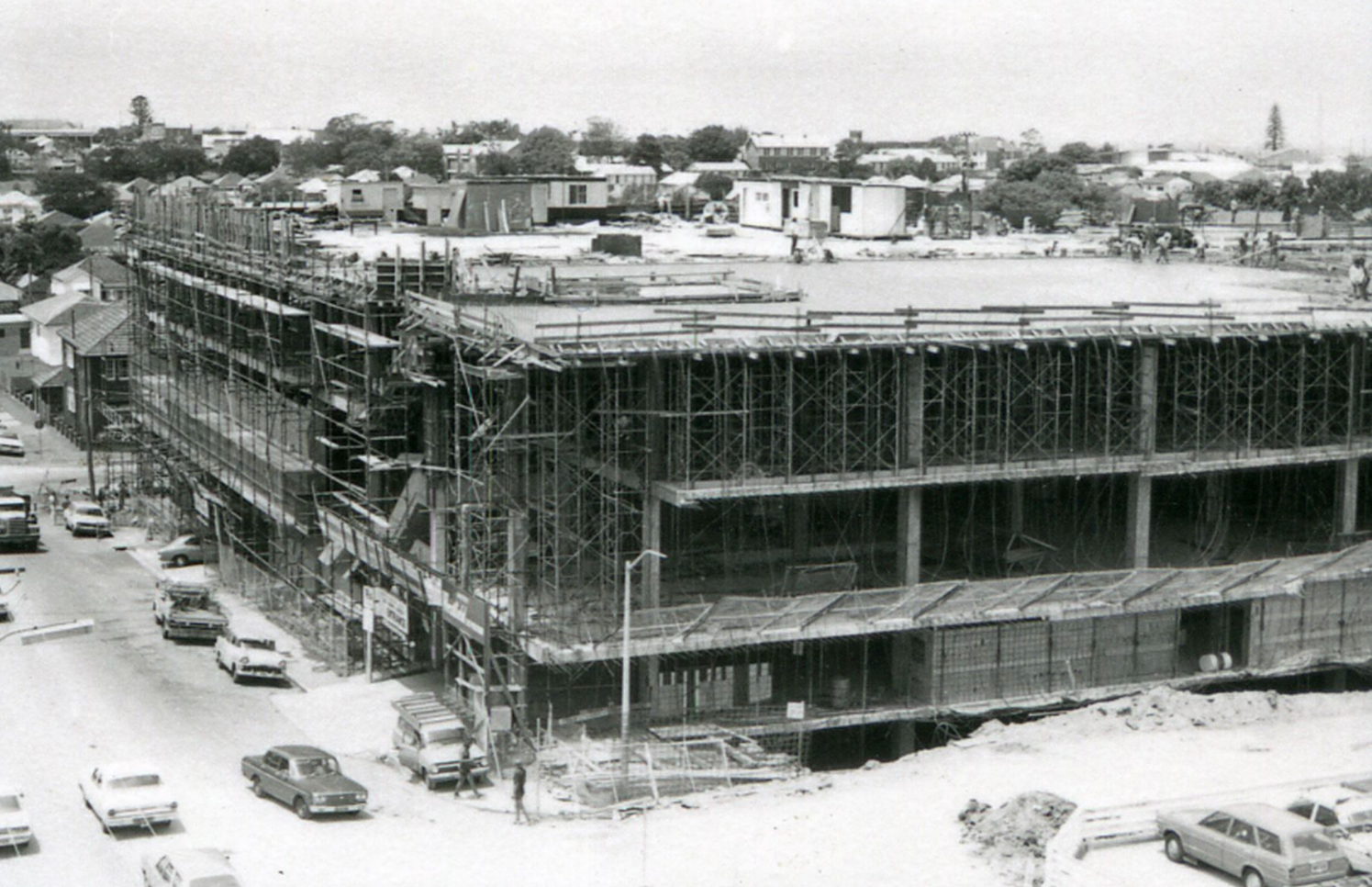
Construction began in May 1977, and they didn’t waste any time. Half of Rose Street was obliterated:
Rose St razed, 1977. Image courtesy Hurstville Council
…while the new-old car park was levelled:
Humphreys Lane enjoys the last sunlight it will ever see, 1977. Image courtesy Hurstville Council
Crossing Cross St, 1978.Image courtesy Hurstville Council
Carving it up, 1977. Image courtesy Hurstville Council
Keeping the sign around was a sick touch, 1978. Image courtesy Hurstville Council
The existing retailers looked on with trepidation, worried for their future and rightfully so.
Obsolescence in motion, 1977. Image courtesy Hurstville Council
Finally, on October 9, 1978, it was ready. Premier Neville Wran was on hand to usher in the birth of a new age for Hurstville.
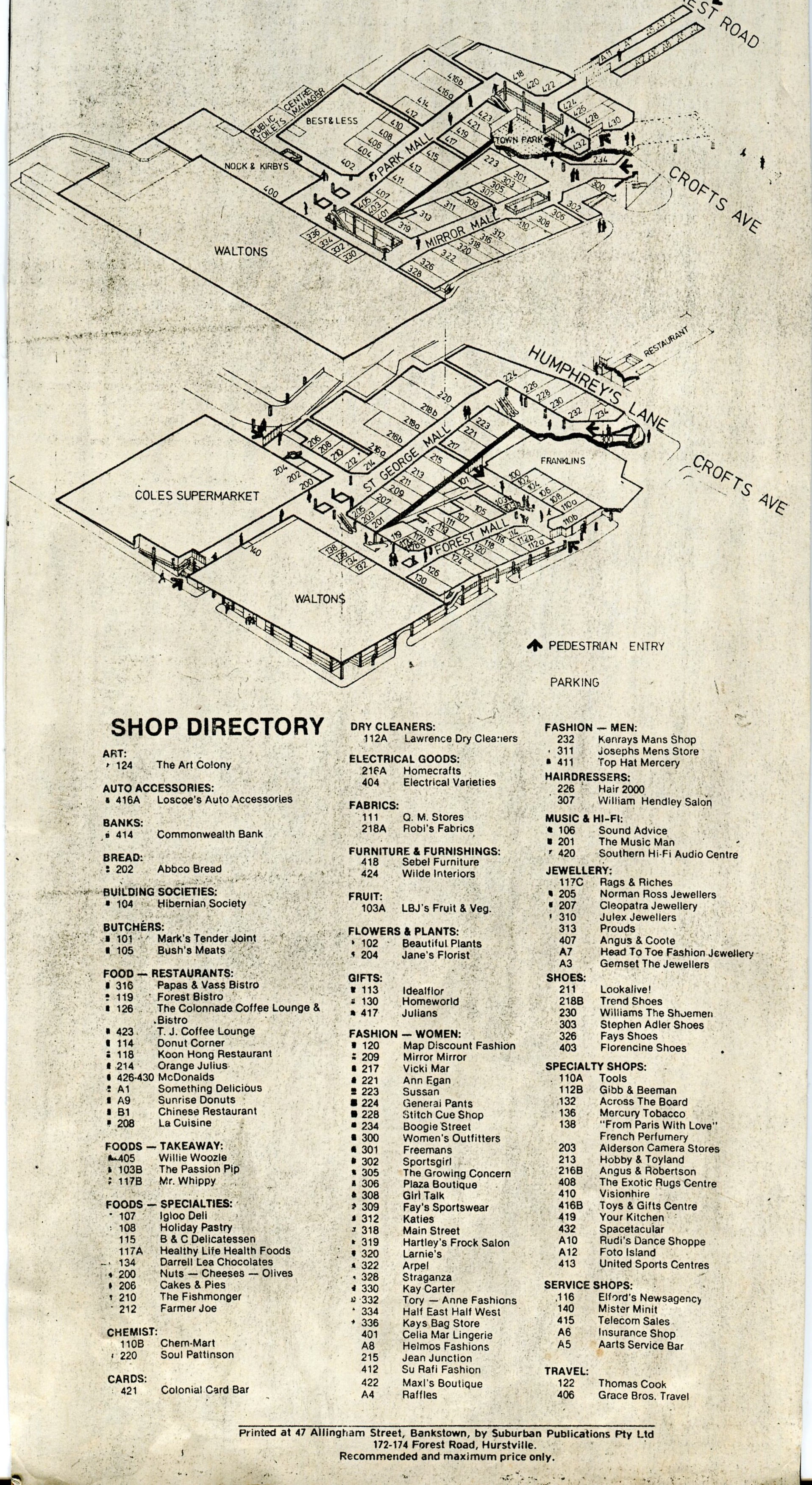
As you can probably tell by the plans above, the centre was much smaller when it opened than it is now. 1978 was a simpler time when people didn’t need as much junk. But what junk did they need, exactly? What did this behemoth of retail extravagance boast that Forest Road’s usual suspects couldn’t? Let’s take a look at 1978’s centre directory to get a better understanding of just what Westfield had brought to Hurstville’s threadbare table.
“Sound Advice”? Ugh.
Waltons! Backing winners as always, guys. We can laugh now, but Waltons was one of the biggest drawcards of the new centre, a department store that would hark back to the glory days of Jolley’s (or would it?). The rest of the shops on display are (mostly) before my time, so take your time and reminisce.
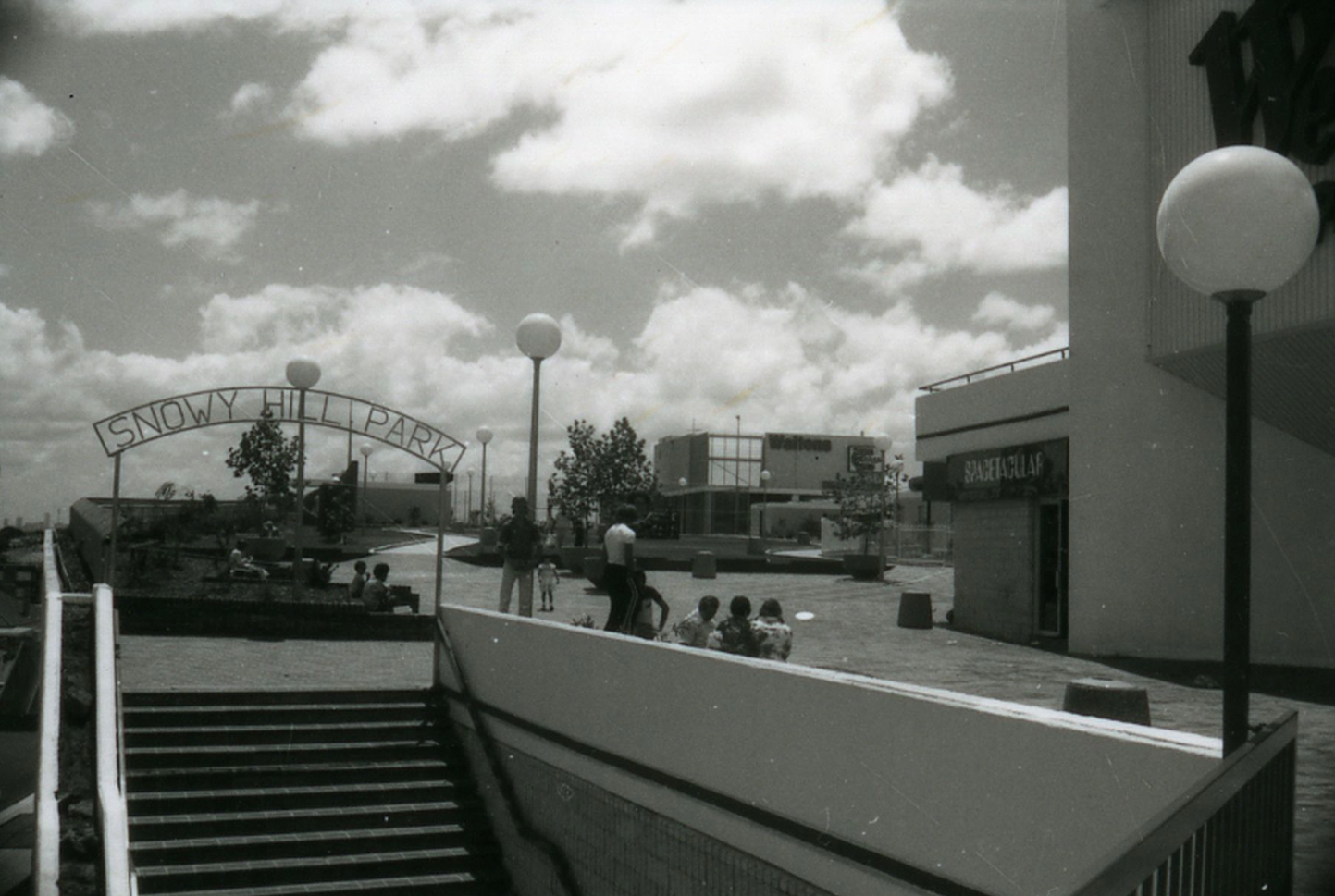
Snowy Hill Park, 1978. Image courtesy Hurstville Council
Of special note is the much-ballyhooed town park. True to their word, they actually went ahead and built it, even going the extra mile of suck-uppery by naming it after former Hurstville mayor and enthusiastic supporter of the Super Centre, Gordon “Snowy” Hill, who had died in 1978. From one Hill 2 anotha…
I wonder where this sign is today? Note the Spacetacular entrance on the right, 1978. Image courtesy Hurstville Library
The entrance to Snowy Hill Park was located at the junction of Cross and Crofts Streets, or just opposite where you’d emerge from Jolley’s Arcade.
McDonalds was a full-on restaurant at the top of the ramp, 1980. Image courtesy Hurstville Library
Or just behind that car.
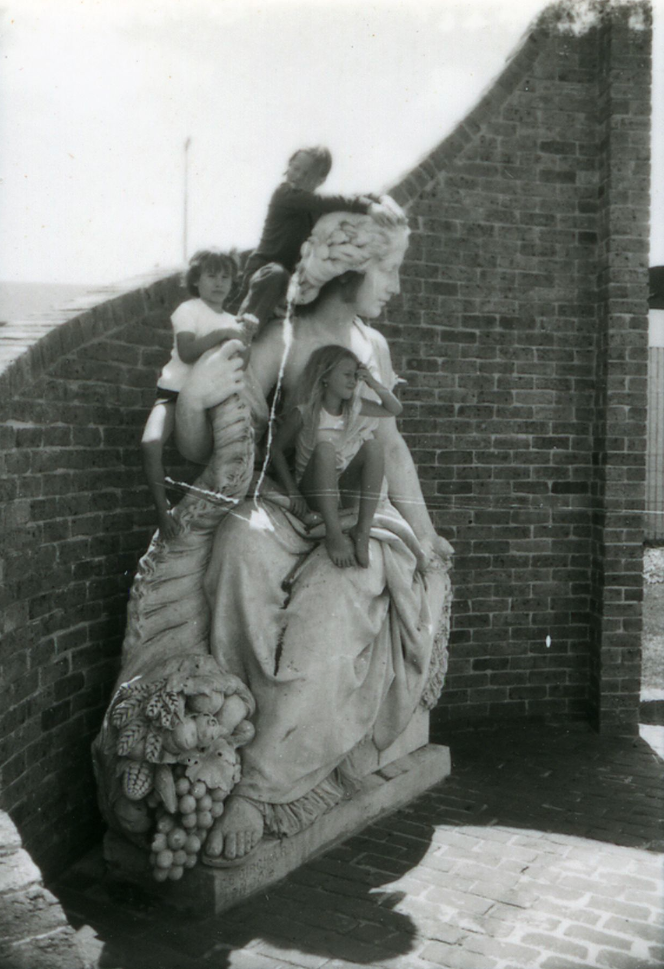
The stairs led up to the park which included tennis courts, amenities, an area for exhibitions and this statue:
A cornucopia of ‘plenty’, 1979. Image courtesy Hurstville Library
The statue is holding a cornucopia, supposedly a symbol of the “plenty” available to all in the Westfield. There’s something oddly creepy about that. Or creepily odd, your choice.
By the way, if you’ve gotten this far and are not happy with those image watermarks, take it up with Hurstville Council, who see fit to charge $20 per photo for a decent quality digital copy. Yeah, right, let me reach into my wallet for you, HC, since I am a millionaire. Has anyone ever paid that fee? Do the Hurstville Councillors believe they’re sitting on a goldmine of photographs once people start craving digital copies of old photos of a shopping centre? Then again, I’ve just written two articles about said shopping centre, and you’ve read them, so the joke’s on us I guess.
Exciting stuff.
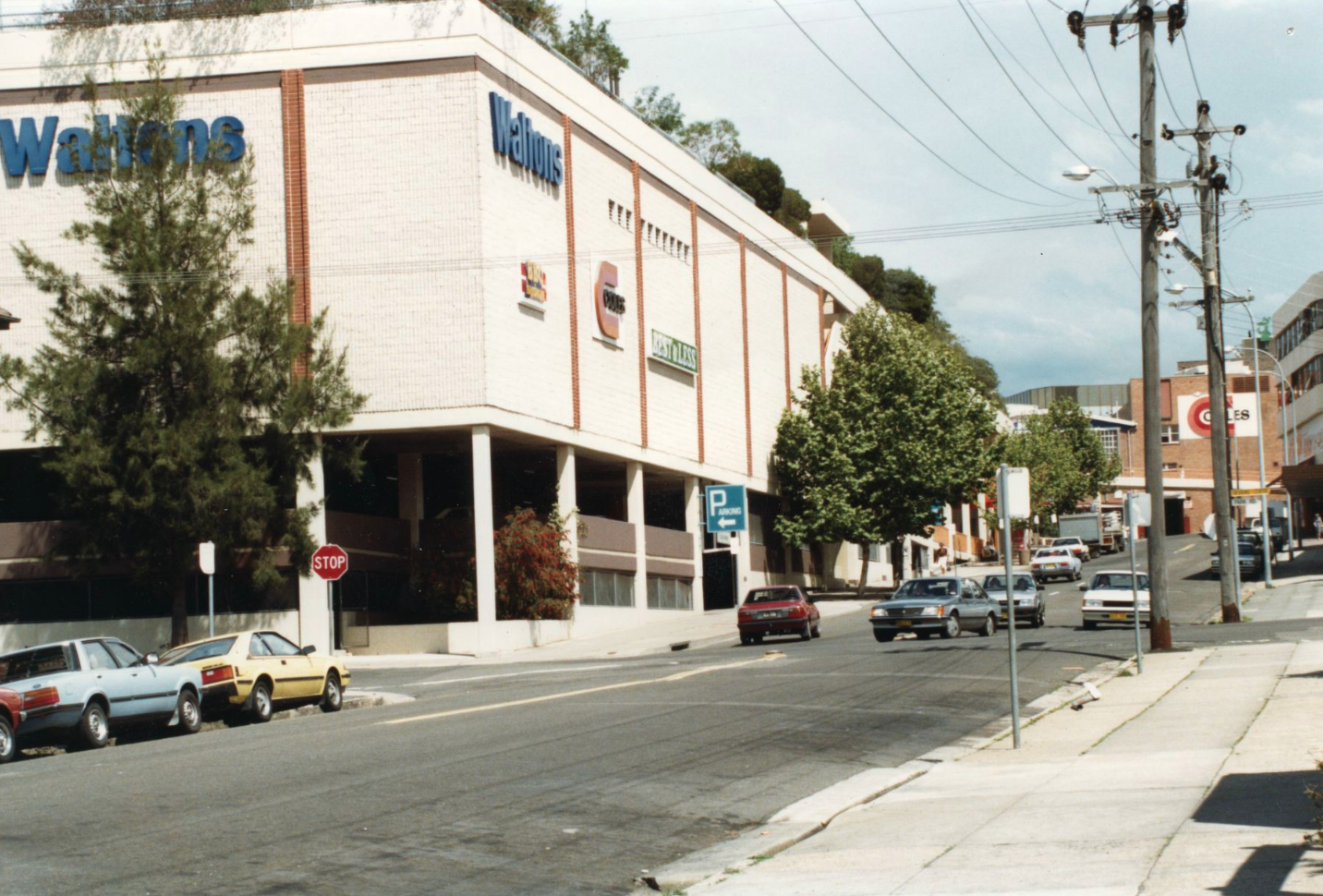
It goes without saying that the Westfield opening was a huge success, and galvanised shopping in the St George area. Suddenly, Roselands was looking a little long in the tooth, and Miranda was just too far away, whereas Hurstville, with its new cache of ‘plenty’, was once again the convenient option. Profits soared, retailers and customers alike flocked to the suburb, and any sourpusses in the old commercial area of Forest Road had their complaints to council fall on deaf ears.
Westfield from Cross St, 1983. Image Courtesy Hurstville Library
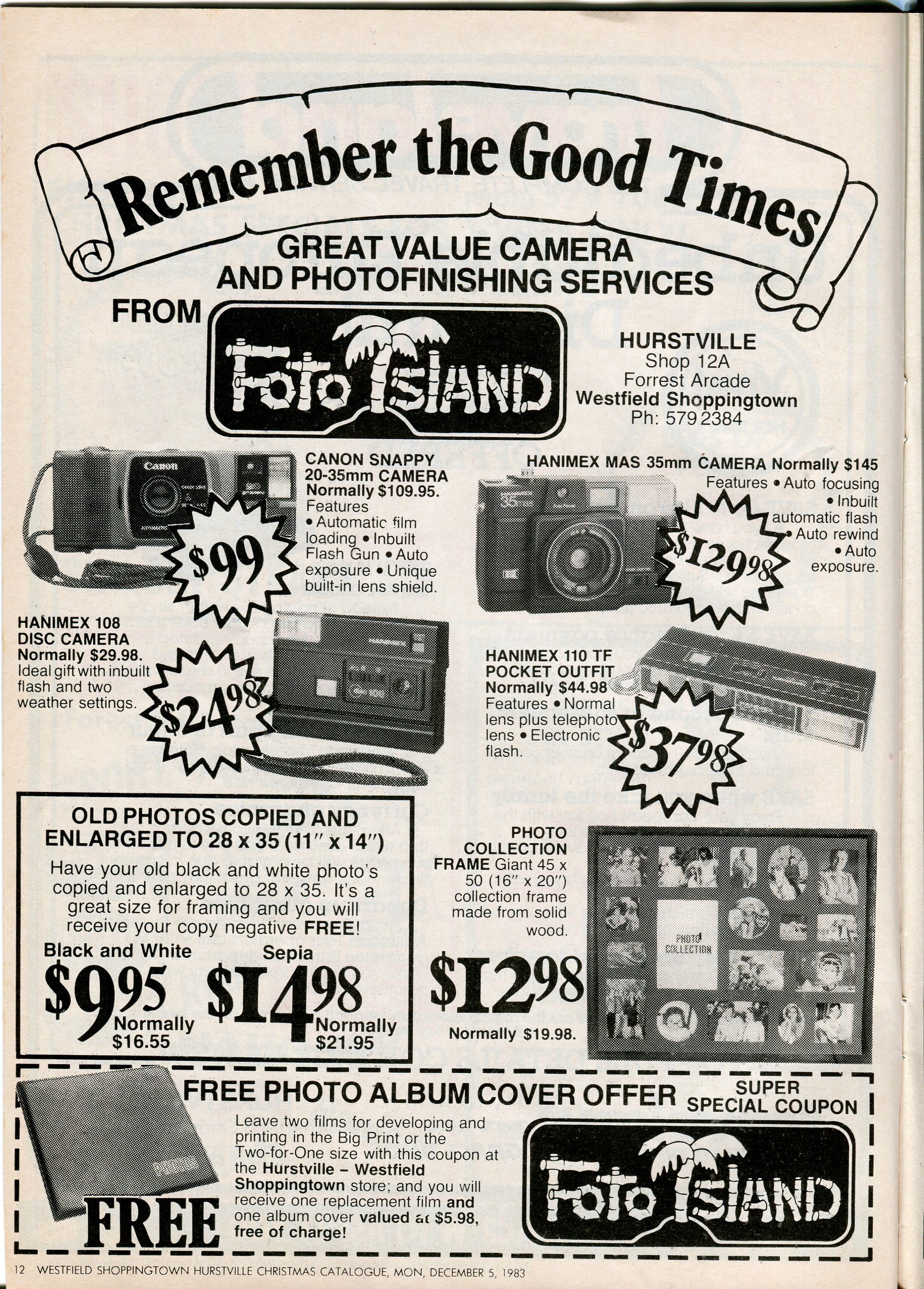
Five years later, that momentum hadn’t slowed. Let’s take a look at a few choice pages from the December 1983 catalogue, shall we?
Of giving…money to Westfield?
Of course, it’s always about you.
Jaffles. How…exotic.
That’s $13.90 per tape.
Even these clowns charge less than Hurstville Council for one old photo.
You forget sometimes that Esky is a brand name.
They’re all the same shirt.
HELP OVERLOAD
I’ll put more up on the Past/Lives Facebook page. If you haven’t liked it yet, go and do it! Go ahead, I’ll wait.
Best of all, the catalogue contained 1983’s centre directory. What’s changed?
Selling fruit and veggies is no way for an ex-president to make ends meet.
Not much. Brash’s is there now, so yet another success story to look forward to.
St George Express, May 7 1986
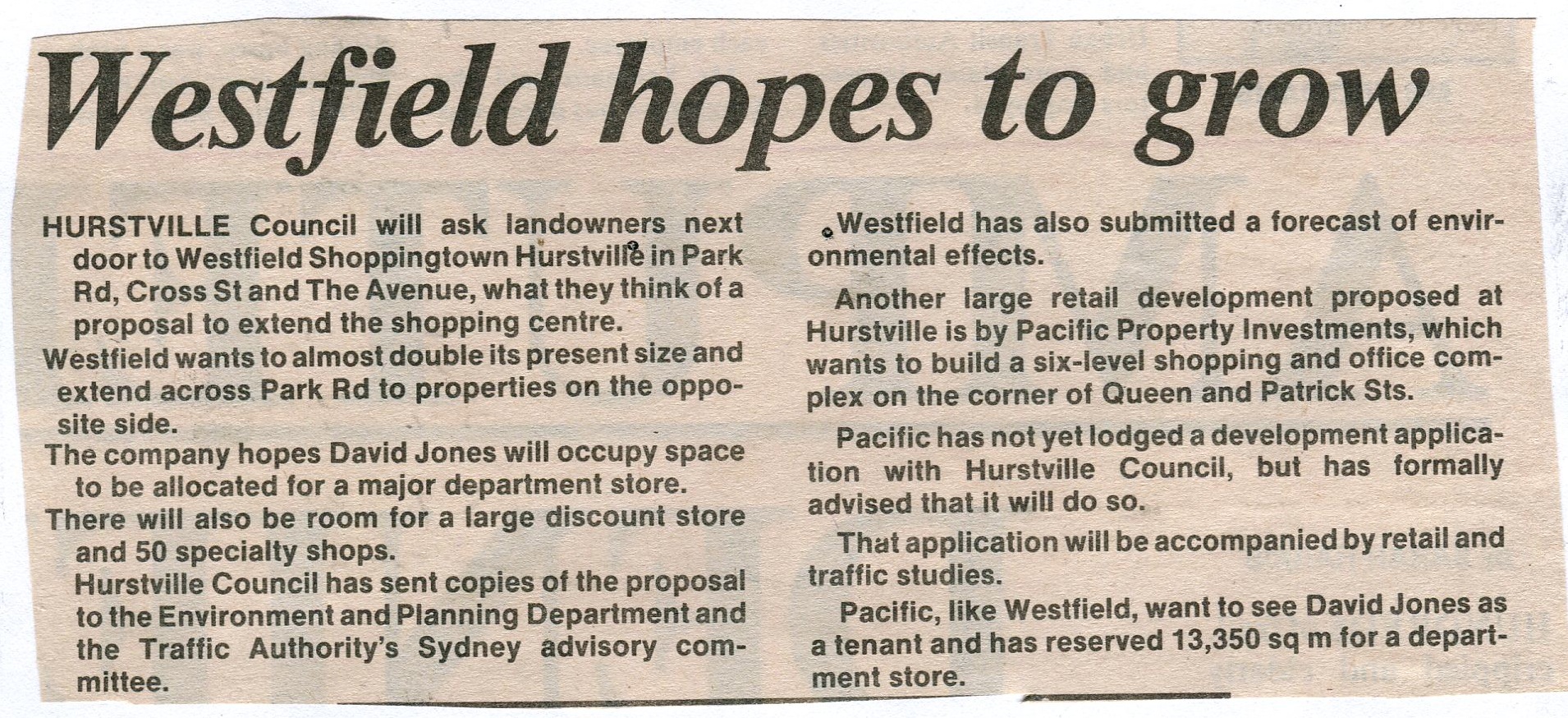
It seemed as if Westfield could do no wrong in the 1980s – the greed decade. Hurstville in particular was outgrowing its allotment by 1986, just over ten years since the initial application. In an even more powerful position this time, Westfield approached council with plans to expand. Do you think council was going to say no?
To be concluded…






 As you can probably tell by the plans above, the centre was much smaller when it opened than it is now. 1978 was a simpler time when people didn’t need as much junk. But what junk did they need, exactly? What did this behemoth of retail extravagance boast that Forest Road’s usual suspects couldn’t? Let’s take a look at 1978’s centre directory to get a better understanding of just what Westfield had brought to Hurstville’s threadbare table.







 To be concluded…

 Past/Lives of the Near Future