The Hartee’s Saga, Part III – Punchbowl, NSW

Continued from Part II…
1974 saw further expansion by Hartee’s that almost bordered on arrogance. The original Earlwood store was deemed too small to fit into Hartee’s plan for national dominance, and was closed. The new head office at Mascot suddenly wasn’t good enough either, and a new head office was established at Botany. New outlets were still being opened in the suburbs, like this one at Punchbowl in 1975:

Until recently a Bank of Queensland branch, this location has changed hands more than a few times since Hartee’s left. This was the final Hartee’s store to open, and strangely, it isn’t a drive-thru like all other new stores had been. Maybe Hartee’s knew something we didn’t? Press reports at the time had suggested that Hartee’s had incurred an operating loss of $918,000 AUD in 1973, and were continuing to lose money as time went on. Perhaps they were starting to employ cost cutting measures…
Choys 1000 A.D./MH BBQ Restaurant – Haymarket, NSW

Since 1913, this address on Hay Street in Haymarket had been used as a produce merchant, importing and exporting goods to and from China and Hong Kong. The first leaseholder was a ‘Lee Sang & Co, and throughout the first half of the 20th century, all subsequent leaseholders were companies run by descendants of those involved in the Lee Sang & Co outfit. These companies provided fruit, vegetables and other fresh produce to the city produce markets across the street, now Paddy’s Markets. When the produce markets moved to Flemington in 1977, this address was taken over by Dominic Choy, an architect who had emigrated to Australia in 1962. He refitted the building and opened a restaurant, Choys 1000 A.D. in 1981.
At that time Choy already had other restaurants in Randwick and Gordon, and by 1989 he had six locations all around the city (you might say Sydney was spoiled for Choys), each with a distinct theme. The rustic theme of 1000 A.D. was ancient China, with large wooden tables and benches replacing the traditional restaurant setup. Choys 1000 A.D. seems to have closed sometime after 1996, and today only Choys Randwick remains of the Choy Chinese restaurant dynasty. Even its reputation appears to have declined in recent years, but it says a lot about the well-regarded 1000 A.D. that it took three businesses to replace it: MH BBQ Restaurant, the Hay Street Dental Care above that, and a massage parlour above that. You’d probably have a memorable date night taking them all on in a sort of Game of Death-style tower challenge. I’m not sure what became of the man himself, all I could find was this. For his sake, I really hope he isn’t that kind of architect.
The Hartee’s Saga, Part II – Canterbury, NSW

Continued from Part I…
In 1971, McDonald’s opened their first Australian restaurant at Yagoona in Sydney’s southwest. Hartee’s, as Sydney’s resident hamburger chain, returned fire by opening no less than four locations in 1972, eclipsing McDonald’s store count. Of those four, Liverpool, Canterbury, Manly Vale and Kogarah, only the Canterbury store still exists in any form:
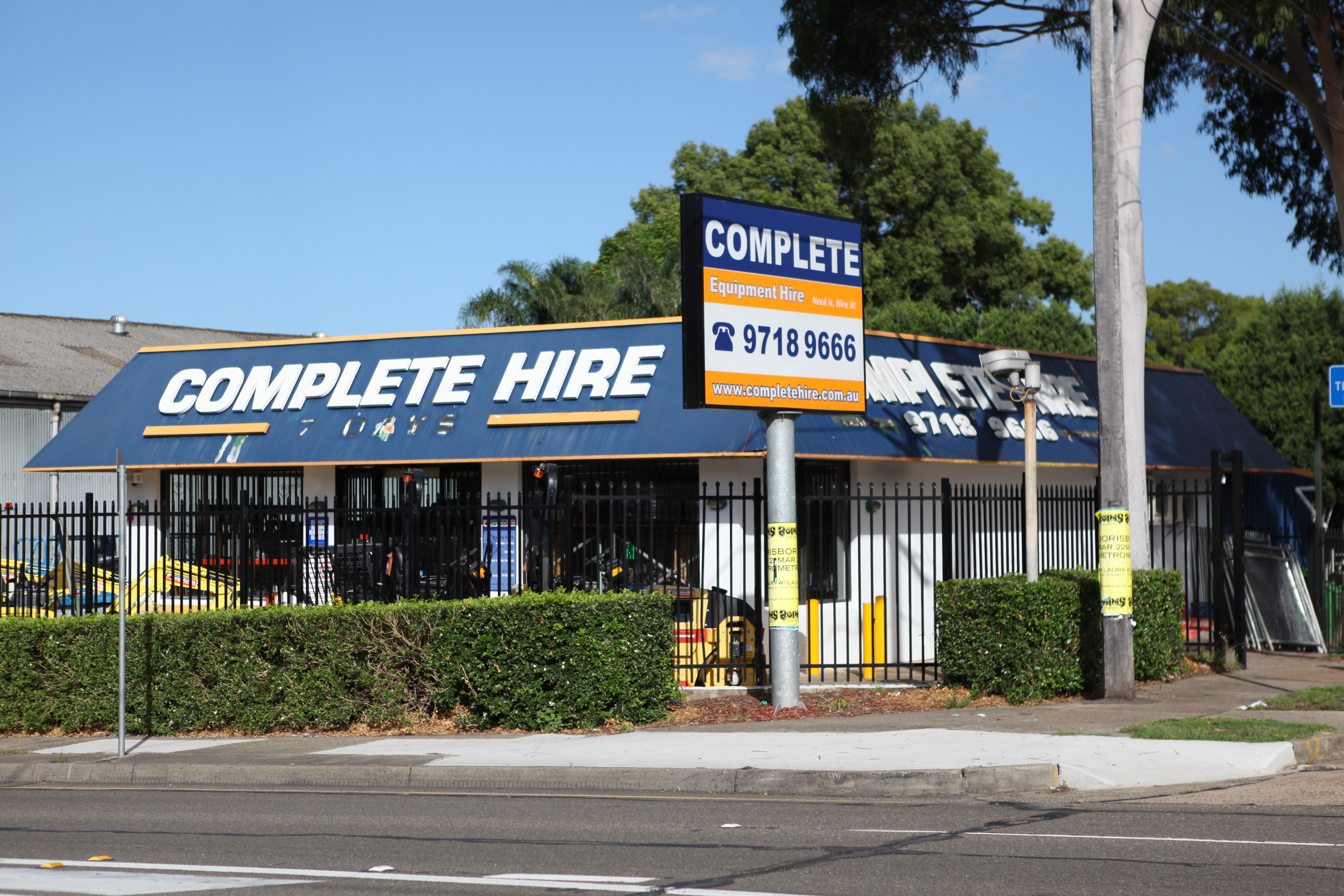
The building still features the drive-thru lane and original roof, but apart from that nothing remains of Hartee’s. Seeing as McDonald’s didn’t open a drive-thru location until 1978, at Warrawong, this suggests that Hartee’s were Australian pioneers of the drive-thru service style. This domination of Sydney’s hamburger market continued into 1973, with locations opening at Moore Park Showground and Riverwood, while business was so good that the head office was moved from Earlwood to Mascot. By the end of 1973, Hartee’s sat comfortably at the top of Sydney’s fast food chain…
The Hartee’s Saga, Part I – Earlwood, NSW
Australia’s experiences with American-style fast food started during the Second World War. Visiting American GIs helped the relatively young nation get a taste for hamburgers with cheese and fried chicken, while the influx of immigrants to the country introduced exotic food such as the souvlaki, pizza and kebabs. The major fast food franchises of today had all originated in the USA in the 1940s and 50s, and while Australia had been content thus far to survive on meat pies, milk bars and Chinese restaurants for take away treats, the 1960s ushered in a new wave. The fast food empires saw Australia as prime territory. Kentucky Fried Chicken was first to move in, establishing its first Australian store at Guildford in Sydney’s west in 1968. Pizza Hut opened its first store in Belfield in April, 1970. In that same year, amid the American invasion, the first major Australian-owned fast food franchise opened its store in Earlwood, NSW.

The first Hartees, now The Chicken Coop, Earlwood.
Seizing on the absence of hamburger franchises thus far in Australia (McDonalds would open their first location in 1971), Kellogg Food Products Pty. Ltd. had made an agreement with the American Hardee’s chain of hamburger restaurants to create ‘Hartee’s’, an American-style burgers-‘n-fries restaurant franchise. The first Hartee’s opened here, on the corner of Homer Street and Joy Ave in Earlwood, with the take-away shop below and the head office above. Unlike many other Australian attempts to emulate the American fast food experience, Hartee’s was a success – TV and radio carried the jingle “Hurry on down to Hartee’s, where the burgers are barbecued!”. Kelloggs planned for over 100 Hartee’s locations in Australia and New Zealand, but it didn’t quite work out that way…
Pizza Hut/Olsens Funerals – Revesby, NSW

Continuing in the series of Pizza Hut restaurants around Sydney, today we find Revesby’s former Pizza Hut restaurant converted into an Olsens funeral home. Pizza Hut would have closed around 1999, so this has been there for awhile. The roof is starting to lose its green, with the former red paint clearly visible from the street. So too the door handle:
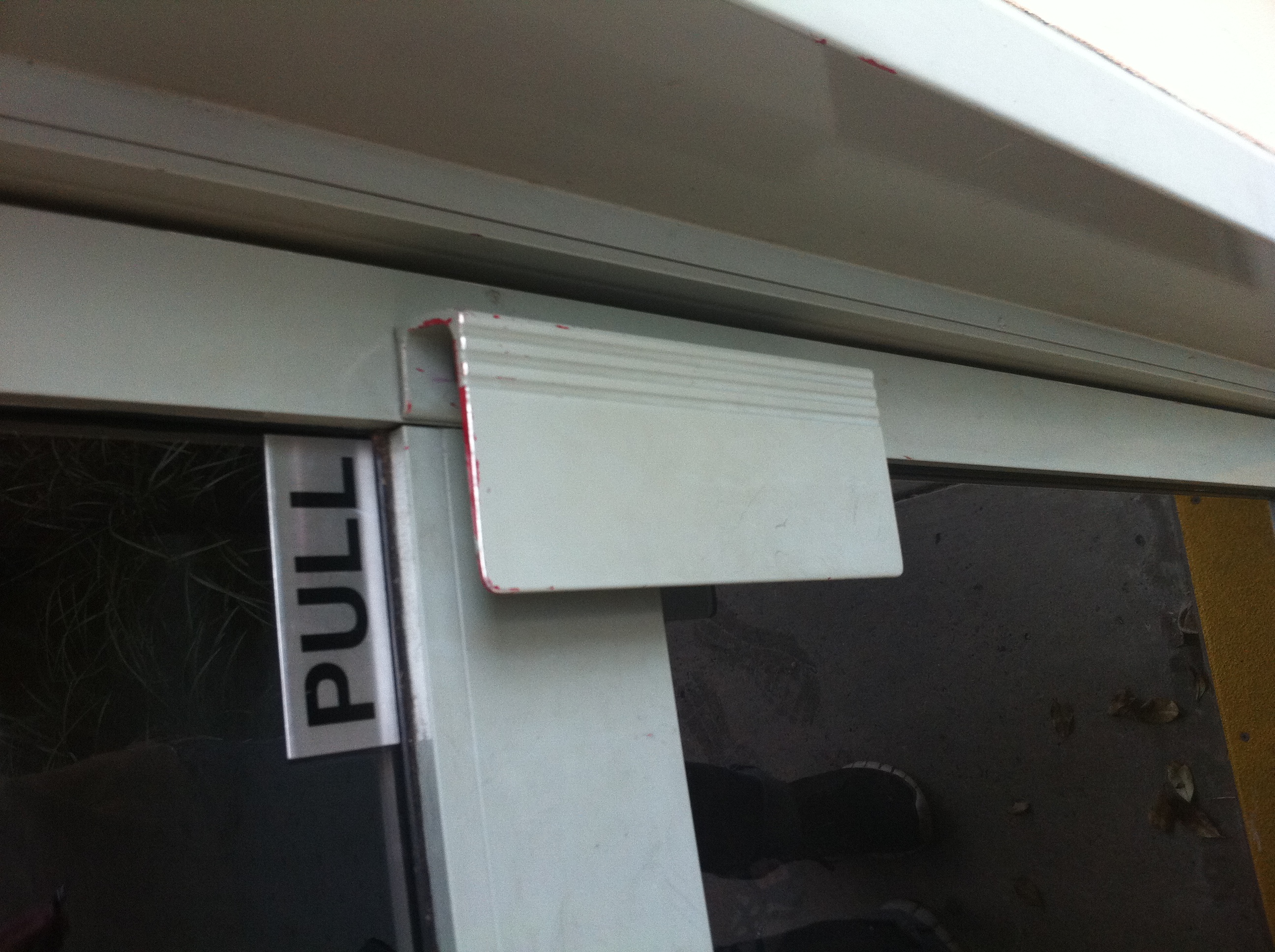
As we’ll soon discover as we continue exploring the repurposing of old Pizza Huts, this one is up there with the strangest. I wonder if they kept the oven?

 Past/Lives of the Near Future