Newsagency/LP & Company Home Products – Campsie, NSW

Beamish Street (above, top left to bottom right) cuts across Campsie like a knife wound, only instead of blood, a spurt of discount stores, fresh produce markets and newsagents has erupted into the populace.
A news-hungry populace. Seriously, there are no fewer than three newsagents active in a very small area here, with at least three more recently departed ones I can recall.
But is it the news, or is it something else these shops provide that has kept them in the Beamish mix when so many others (including McDonald’s – twice!) have dropped out?

Sometimes, my job here is made very easy. The Old Tab Cafe suggests another rarity: the departure of a TAB. Don’t worry, there are still at least three TABs within walking distance of this cafe, but what’s beginning to form is a picture of a suburb that loved to have a punt.
As many nostalgia websites love to remind you, Australia’s suburban demographics are in a constant state of flux. What was is very different to what is, and the habits of the old don’t necessarily appeal to the new.
Campsie is a great example. Originally so Anglo it features an Anglo Road, the suburb is now home to a large Chinese population – and the shops to match.

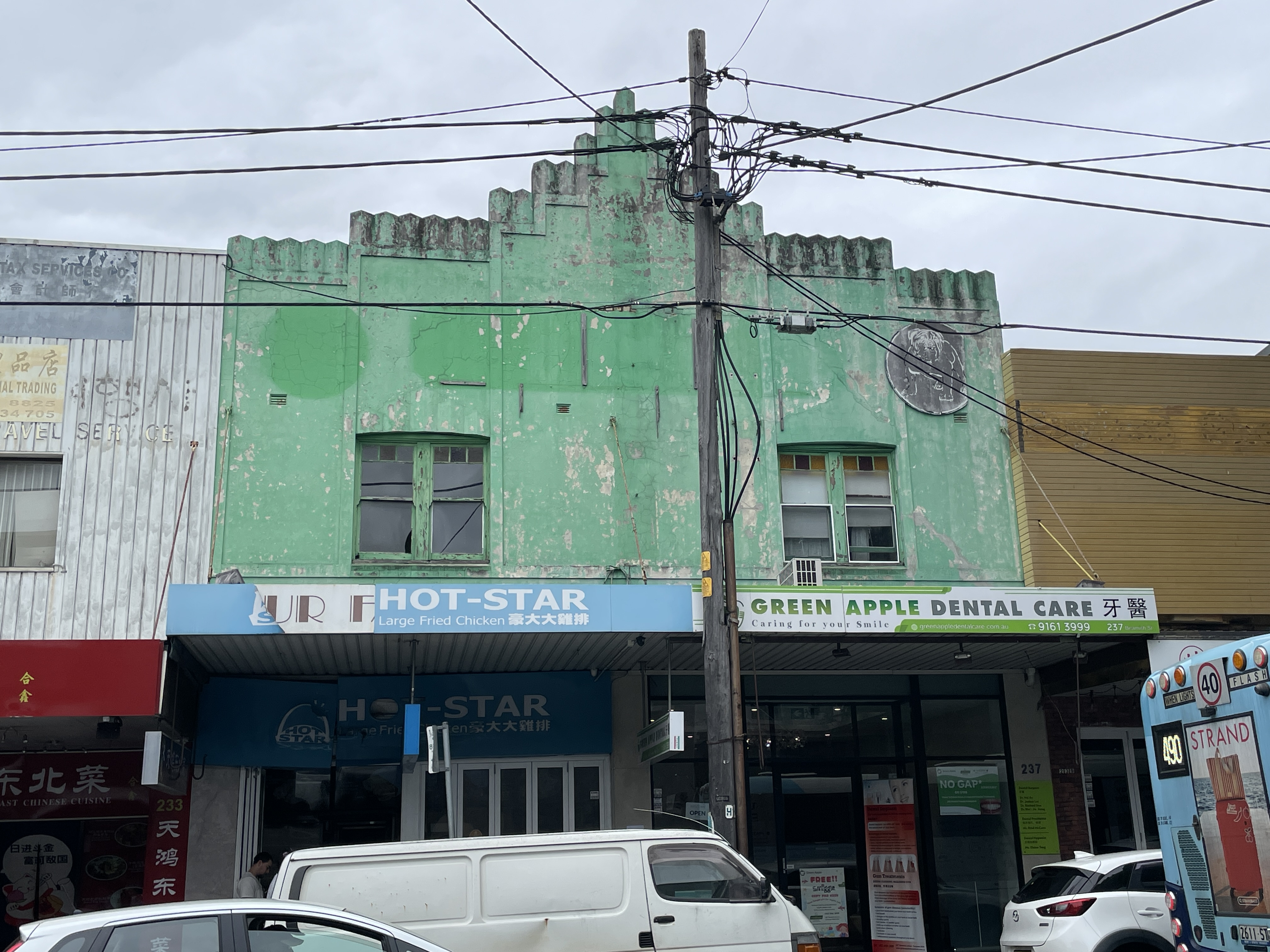
This former chemist at 235 Beamish tells you all you need to know. In are fried chicken and a dentist (what a combo); out is the passion for the Canterbury-Bankstown Bulldogs, the area’s beloved NRL team. All that remains to remind us of a more supportive era is a solitary Bulldogs insignia, ravaged by time and weather.
The appeal of Da Doggies may have burned brighter in Campsie’s TAB days, but Chinese gambling habits don’t necessarily align with those of yesterday’s Anglo Campsians. Mahjong and pokies have taken the lead as the preferred way of chasing that elusive jackpot over sports betting or that other friend of the working class, the lottery.
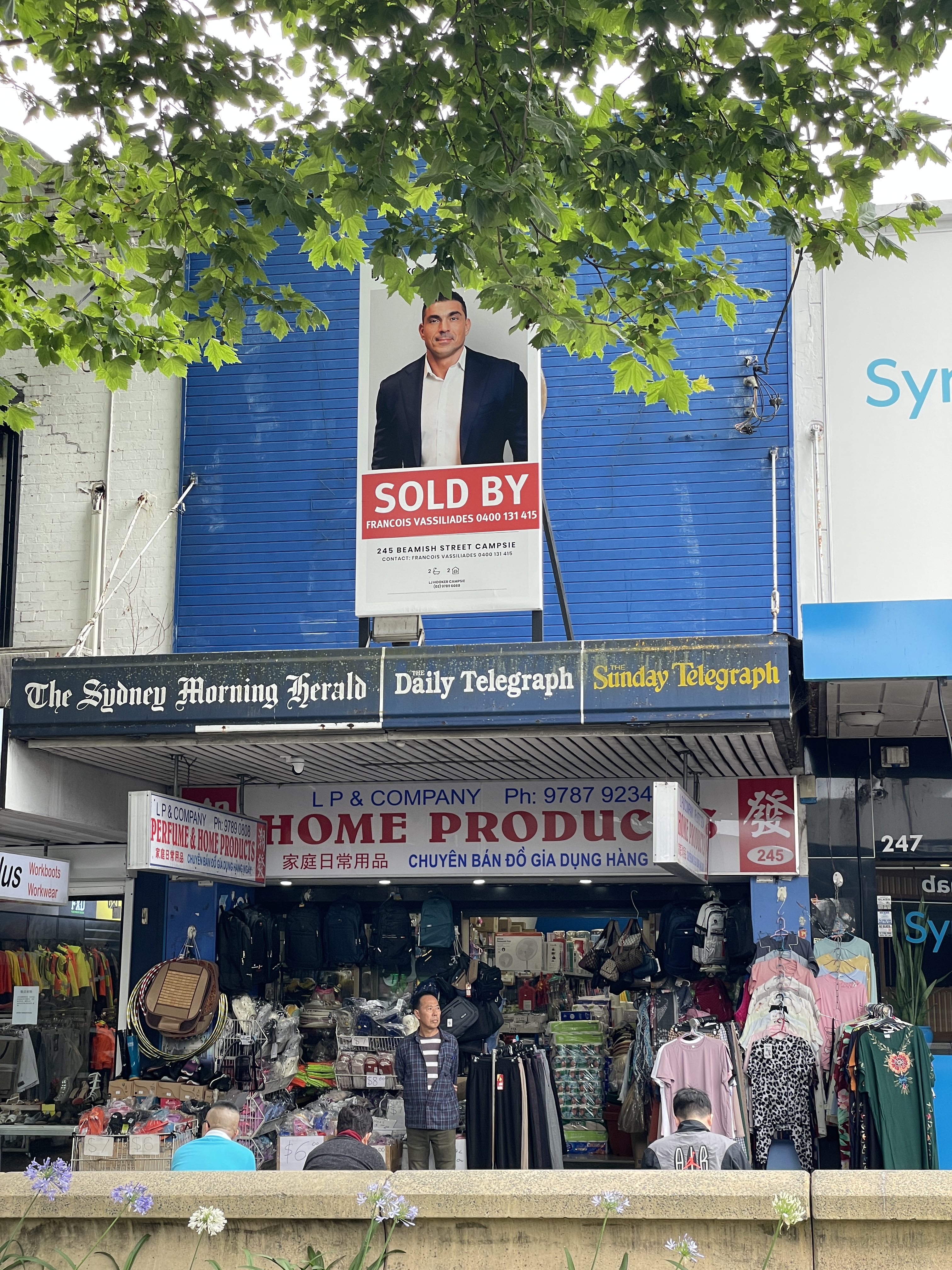
Which brings us to the star of today’s show, 245 Beamish Street.

This site was once home of a Mr John Foreman Watson, who may well have backed winners and losers during his time on earth, which ended right here in October 1954. Eerily, it could be that the paper containing Watson’s obituary was sold at the very place he checked out.
Because here too stood one of Campsie’s many newsagencies (this one with the very no-frills moniker “Newsagency”), now replaced by LP & Company Home Products. Not a Sydney Morning Herald or lotto ball in sight these days.
Or is there?

Shift your perspective and you’ll find Francois Vassiliades did his best to hide the standout feature of this former sweeps station, which now peeks out from behind the ‘sold’ sign.
The Big Lotto Ball’s placement on the shopfront is an instant and arguably unwelcome reminder of a time when the promise of a big win towered over current affairs, and jackpots and bulldogs stood side-by-side just out of reach of the common man.
Milk Bar/Campsie Spice Supermarket – Campsie, NSW
 Surrounded by a seemingly inexhaustible army of mobile phone shops and money transfer stations, the late Campsie Spice Supermarket exists now only to remind us that if you can’t make it as a milk bar selling Streets ice creams and Shelleys drinks, you definitely ain’t making it as a spice supermarket. In your laziness you’re sending mixed signals, dudes! You weren’t selling Shelleys drinks!
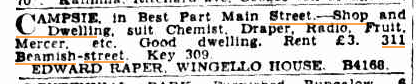
SMH, 18 January 1934
Maybe the building’s cursed to bring bad luck to all who dwell within it, such as the unfortunately named Edward Raper, who in 1934 attempted to rent the dwelling as a ‘good dwelling’ to potential dwellers for only three pounds. I can’t help but wonder if his ad got any replies….probably. They were more innocent times.

SMH, 16 March 1949
If we flash forward to 1949 we can see that this place was home to W. Wall, a real estate agent selling property in streets (Ceres Street Padstow) that no longer exist. Coincidence? CURSED, I TELL YOU.
Orion Theatre/Orion Function Centre – Campsie, NSW
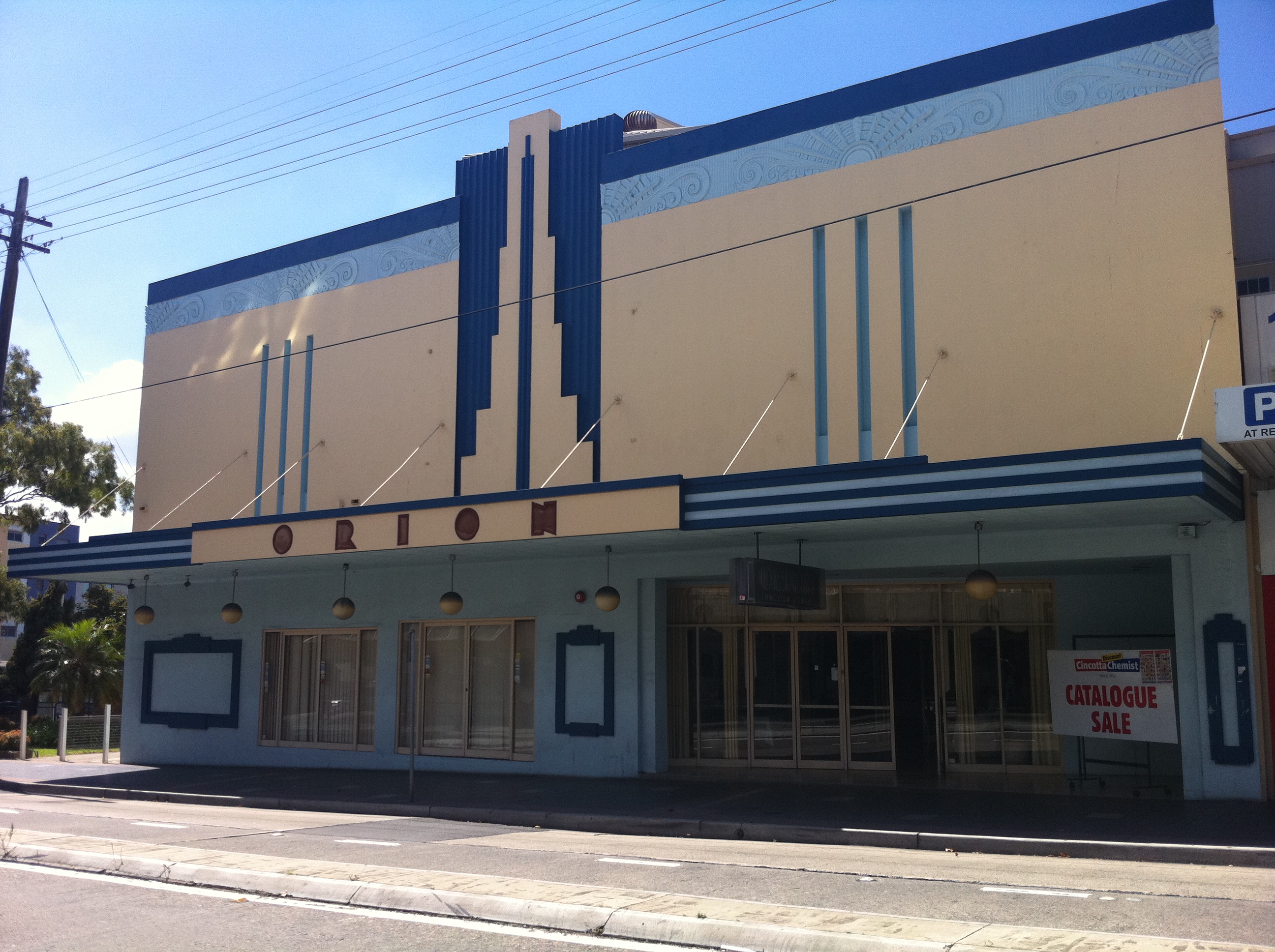
By the mid-1930s, the suburb of Campsie already had a cinema. The open-air Campsie Palace was opened in 1910, and over the next 25 years had become the Excelsis, and finally the Odeon. When the Orion (“Theatre of the Stars!”) opened in 1936 it was seen by some as overkill, but today it’s the last man standing, albeit in a different form.

Orion Theatre interior, 1960. Courtesy Barry Sharp and City of Canterbury Local History Photograph Collection.
Opening in March 1936, the Orion had close ties to the RMS Orion, an Orient Company ocean liner launched from Brisbane in 1934. A mural depicting the liner sat in the cinema’s lobby for the first phase of its life. The first films screened were Love Me Forever starring Grace Moore, and Lady Tubbs starring Alice Brady. The theatre received extensive renovations in 1949, by which time both actresses had died. Our old friends Greater Union got involved in 1953 and, typically, ran the Orion into the ground by operating on a restricted policy. Movies were only shown on Fridays and Saturdays, and the reduction in profits saw the building close as a cinema in 1959. I’m beginning to think that GU intentionally ruined these suburban cinemas just to ensure that moviegoers would flock to their multiplexes, but surely I’m just being cynical…right?

Orion Theatre, 1960. Courtesy Barry Sharp and City of Canterbury Local History Photograph Collection.
In 1964, a year after the RMS Orion was destroyed for scrap, the Canterbury Town Hall was demolished, and the Canterbury Council eyed the Orion as a possible replacement. Since the cinema closed, it was being used as a public meeting place and neighbourhood centre, so it made sense, but for one reason or another it never happened. The Council didn’t forget the ‘Theatre of the Stars’ though (oh, unless you count the years of neglect between 1959 and 1984), and in the 80s began restoring the building for use as a function centre. Renamed the Orion Centre, it can be found in pretty good nick today.

Extensive though the renovations may have been, it’s easy to see the building’s cinematic origins.
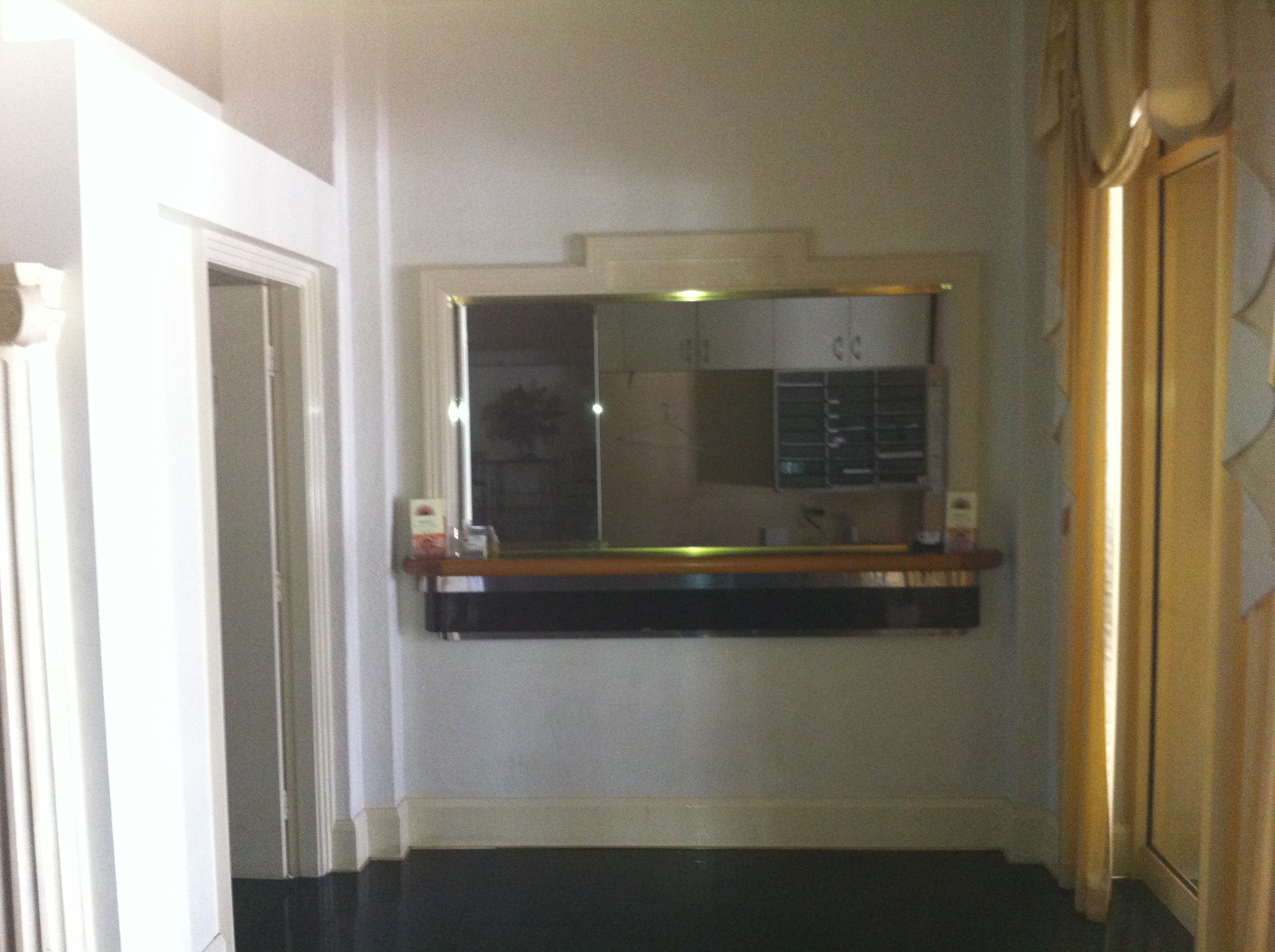

The art deco style is unavoidable inside.
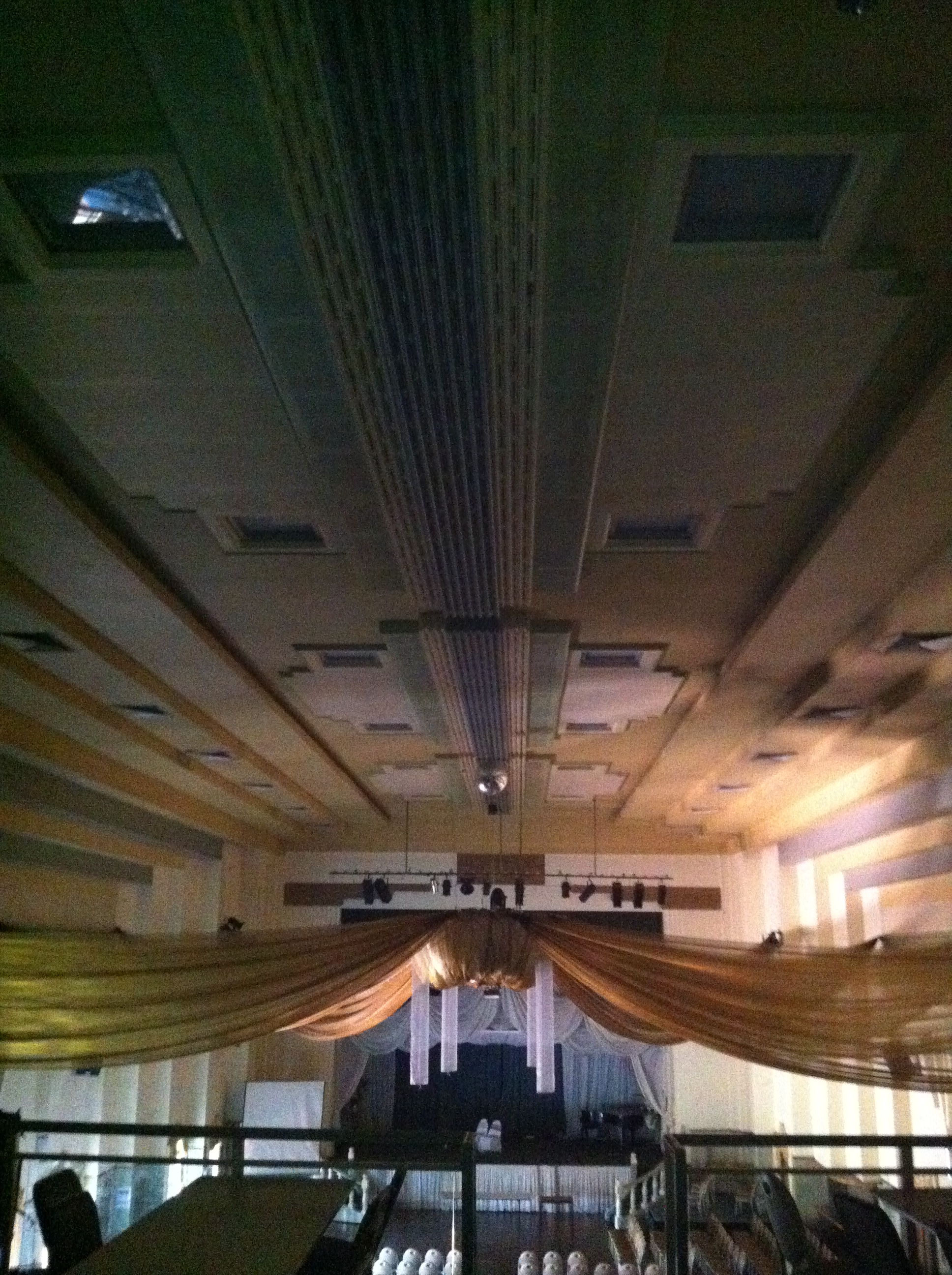
This mural offers another hint of the Orion’s former life:
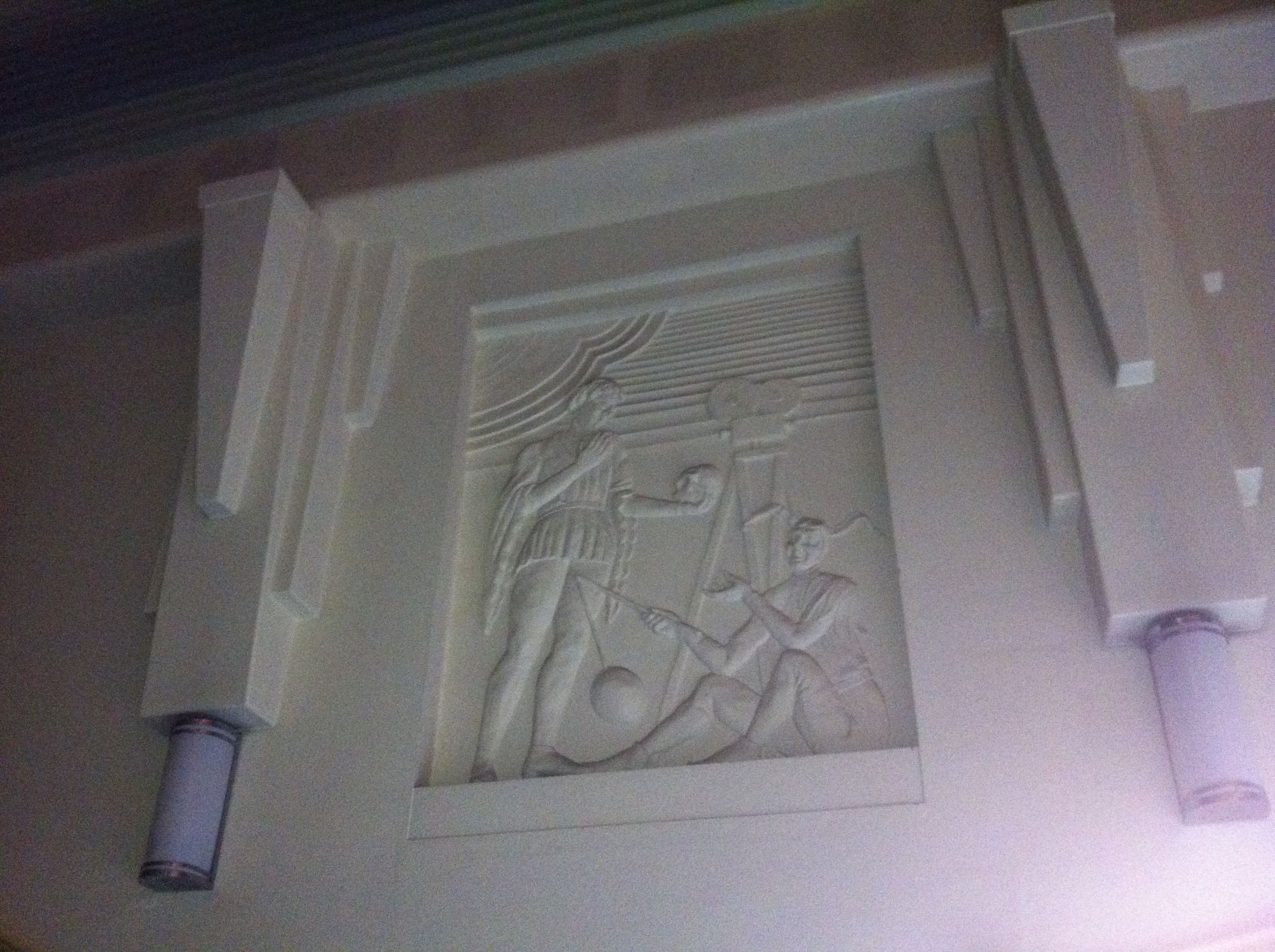

There may not be any stars on Orion’s belt these days, but the centre’s sense of style certainly evokes a time when a whole galaxy was constantly viewable from Beamish Street with a projector as a telescope.

 Past/Lives of the Near Future